Texas, town by town.
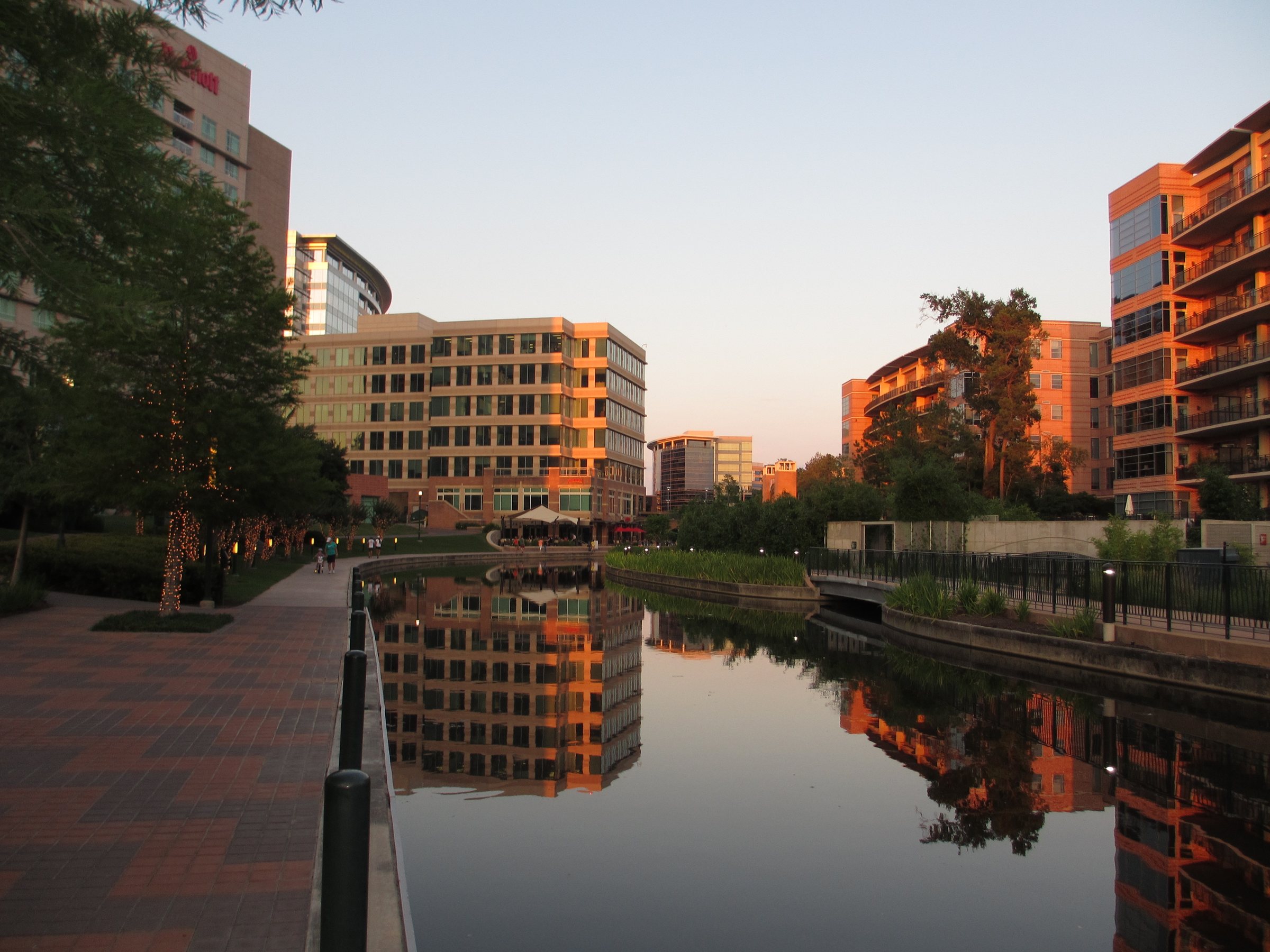
5 Houston Area Communities Ranked by Miles of Trails
Five Houston area communities ranked by published trail miles, from 220 miles of pathways in The Woodlands to 14.4 miles in Missouri City.
Read the full story →Talk of the Town
45 stories filed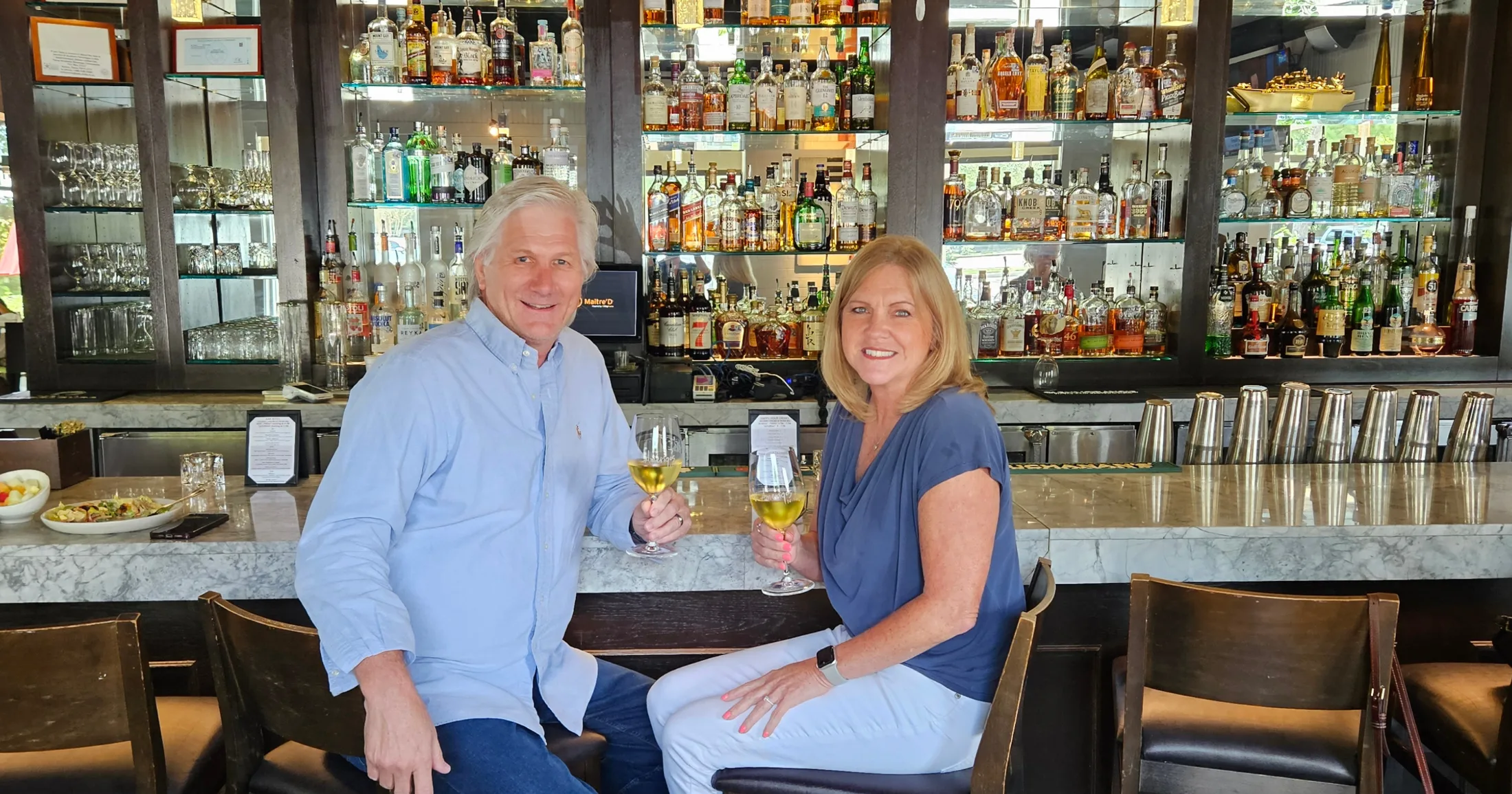
The Restaurant I've Been Coming Back to Since the Mid-90s
Amerigo's Grille on Grogan's Park Drive is one of the oldest upscale restaurants in The Woodlands, family-owned, award-winning, and still the first name I give when someone asks where to take a client.
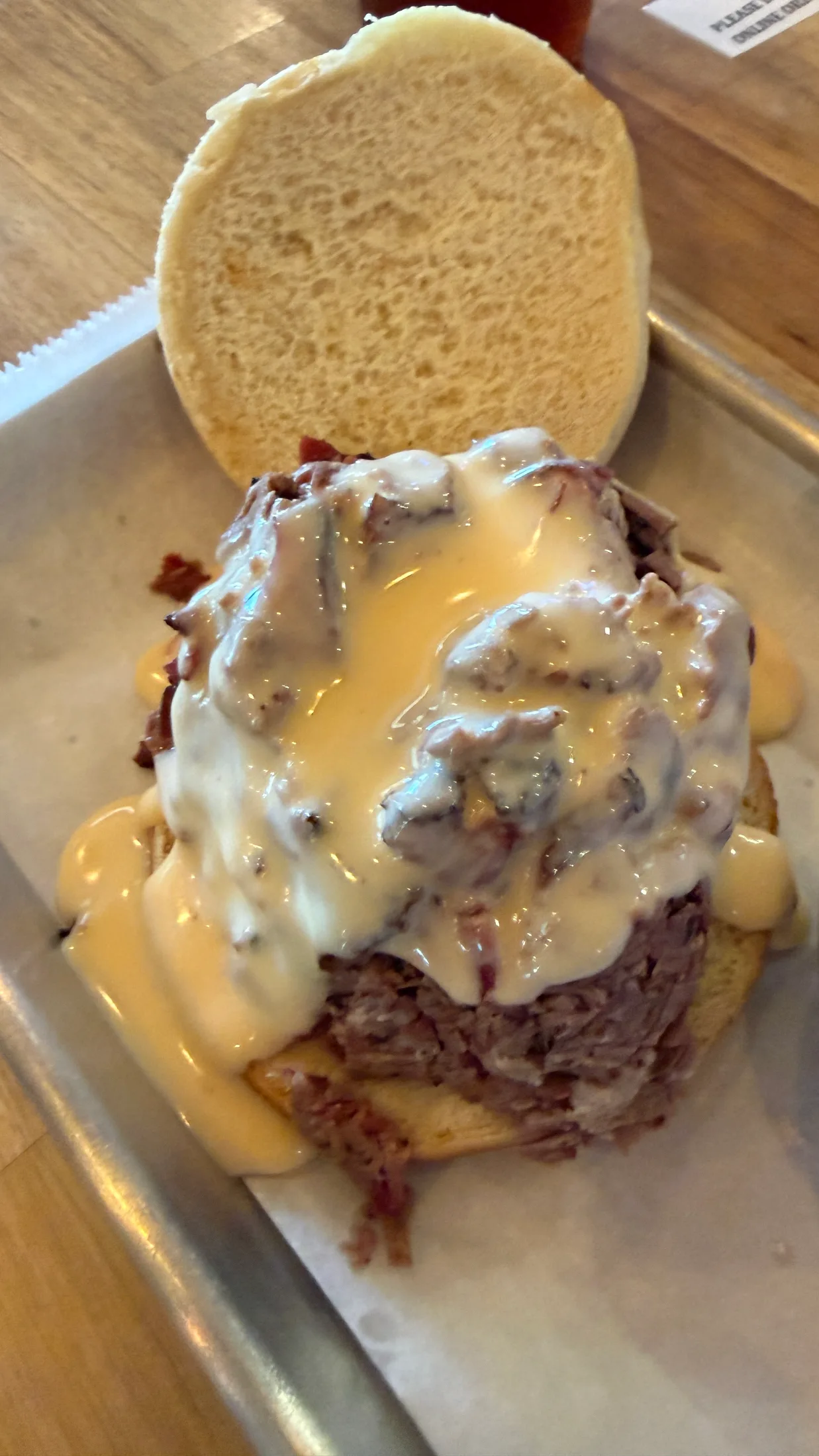
The Line at Corkscrew BBQ Is the First Sign You're in the Right Place
Will and Nichole Buckman's Corkscrew BBQ in Spring, TX holds a Michelin Star and the title of Best BBQ in Texas. One visit and the question isn't whether they earned it, it's why you haven't gone yet.
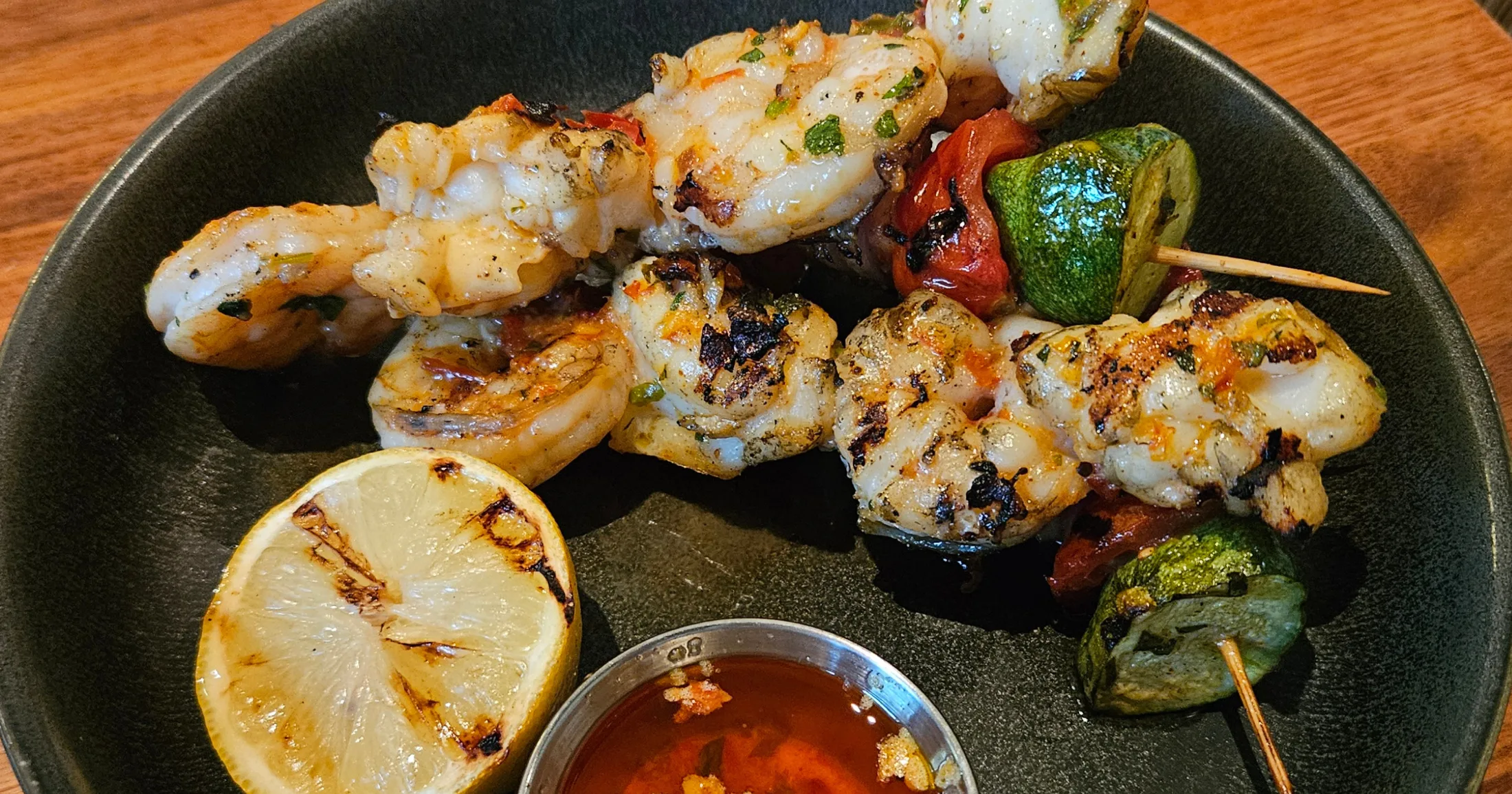
The Restaurant That Opened Market Street Is Still Its Best Anchor
Tommy Bahama was the first restaurant to open at Market Street in The Woodlands, and 20 years later, the Bar is still a fan favorite, the ahi tacos are still on the menu, and the clothing store is one of the top spots in the brand.
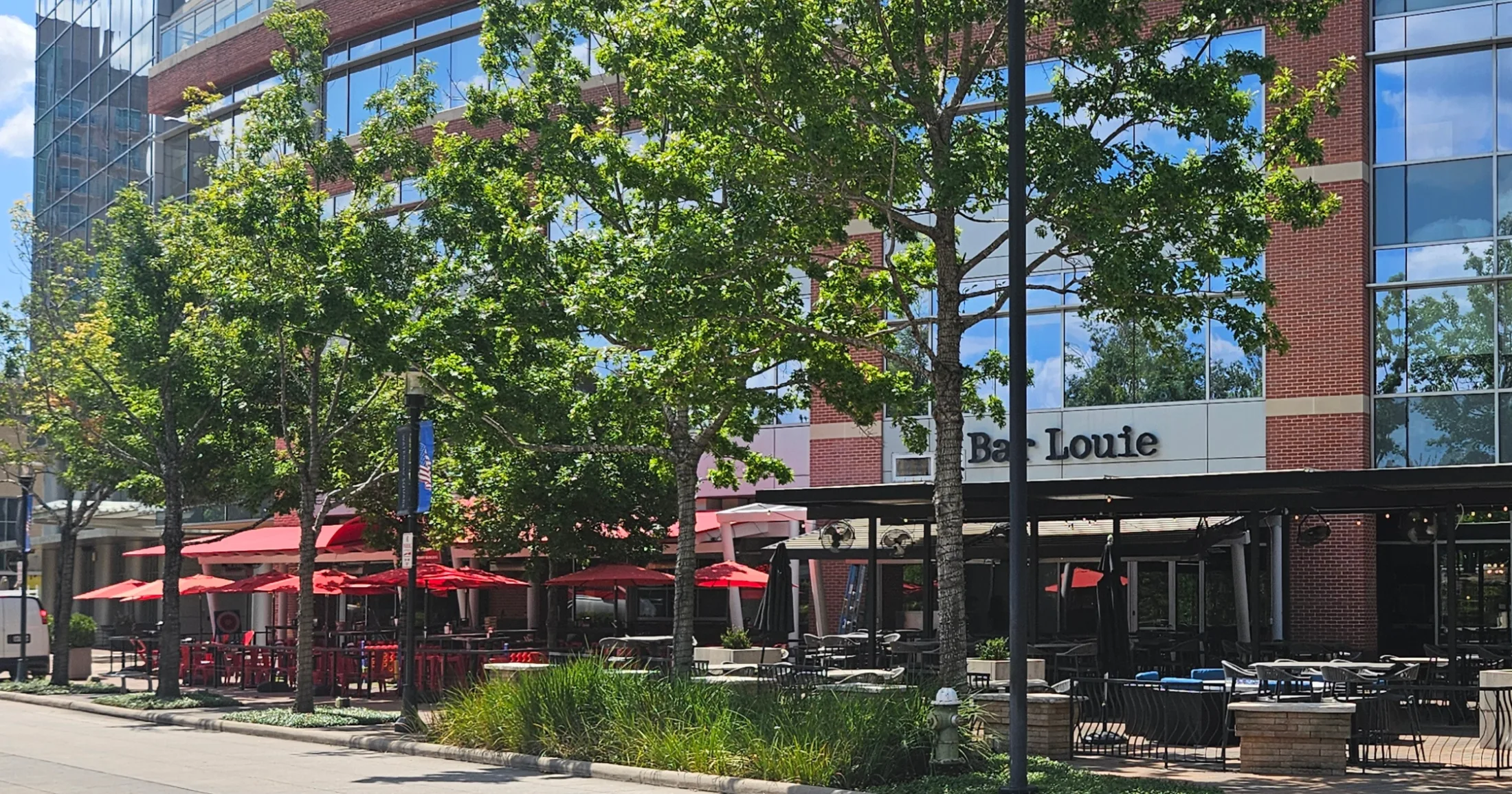
Could The Woodlands Finally Put the Houston Annexation Question to Rest?
A proposed $50 million agreement between Houston and The Woodlands Township could permanently end Houston's annexation authority. Here's what residents actually need to know.
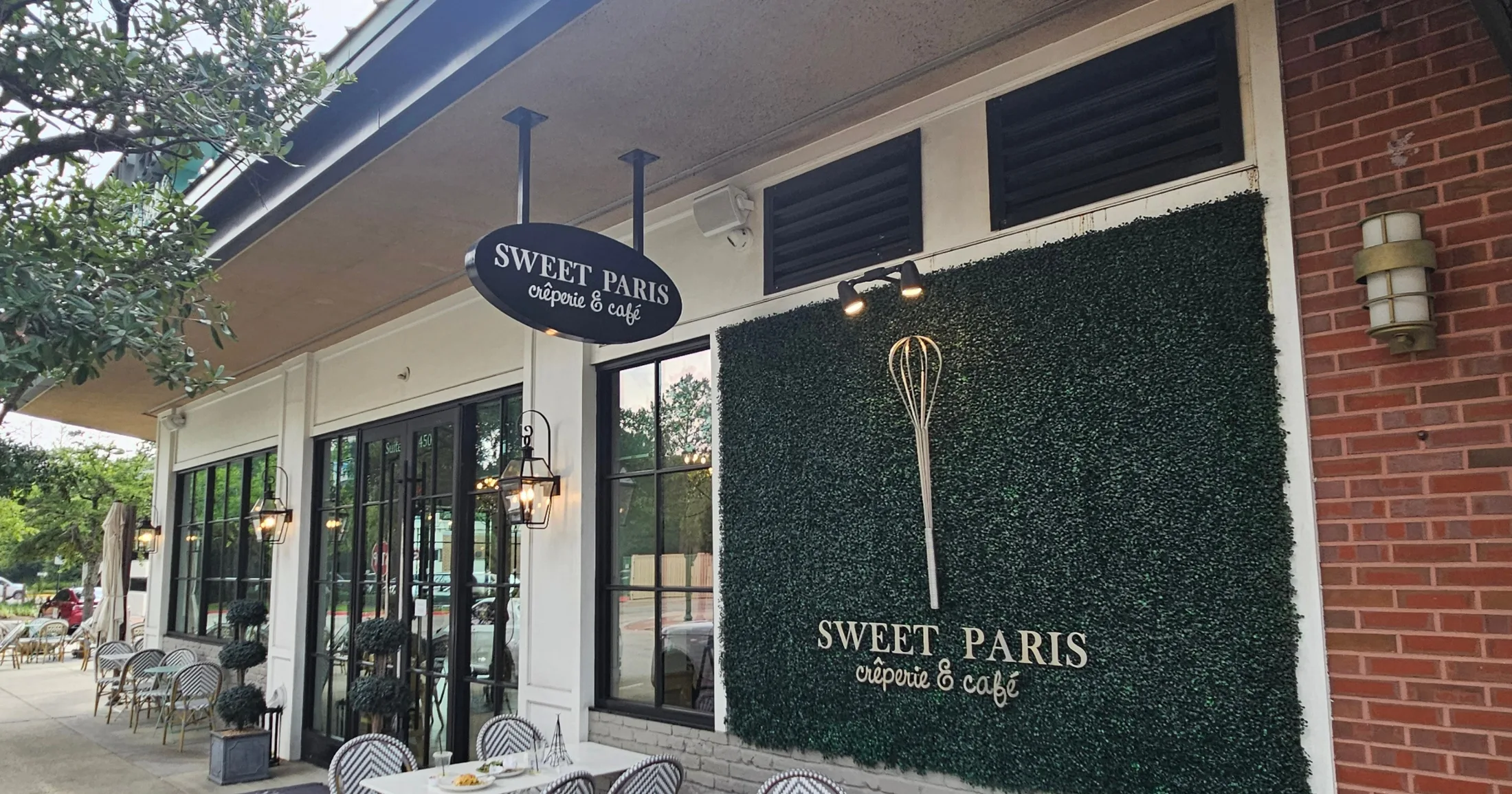
The Crêperie at Market Street That Earns a Return Trip
Sweet Paris Crêperie & Café landed at Market Street and it's already earning regulars. The savory crêpes are a serious lunch, and that corner patio is hard to leave.
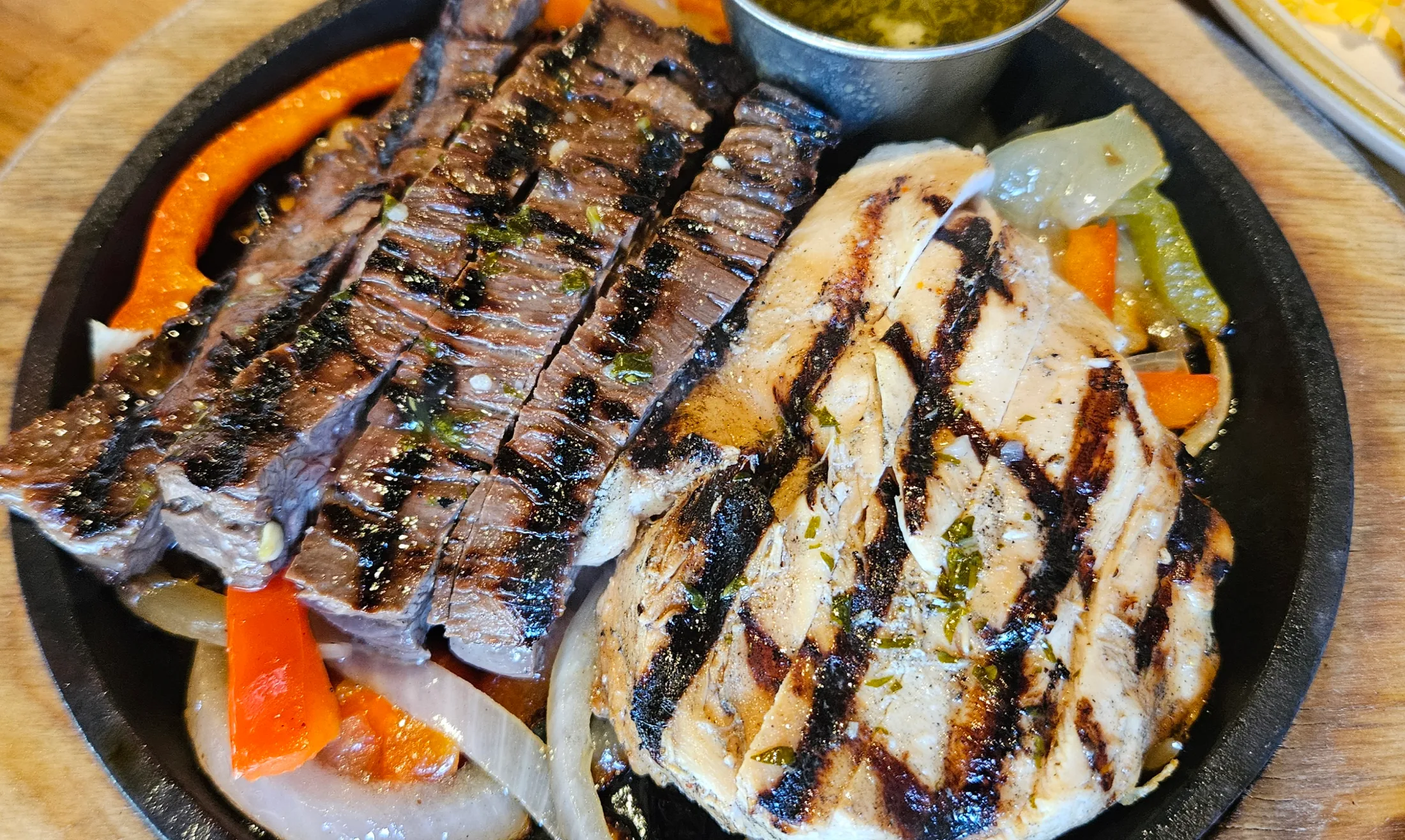
Why I Keep Coming Back to Escalante's on Lake Woodlands
The combination beef and chicken fajitas at Escalante's Hughes Landing are as good as anything in the Houston area. The patio facing Lake Woodlands makes the whole afternoon worth clearing your schedule for.
Every City Has A Story
1 live · 10 to claimHouston
Dallas
Austin
Fort Worth
The Woodlands
Georgetown
Montgomery
Tomball
Plantersville
Round Rock
Spring
New stories
Just published →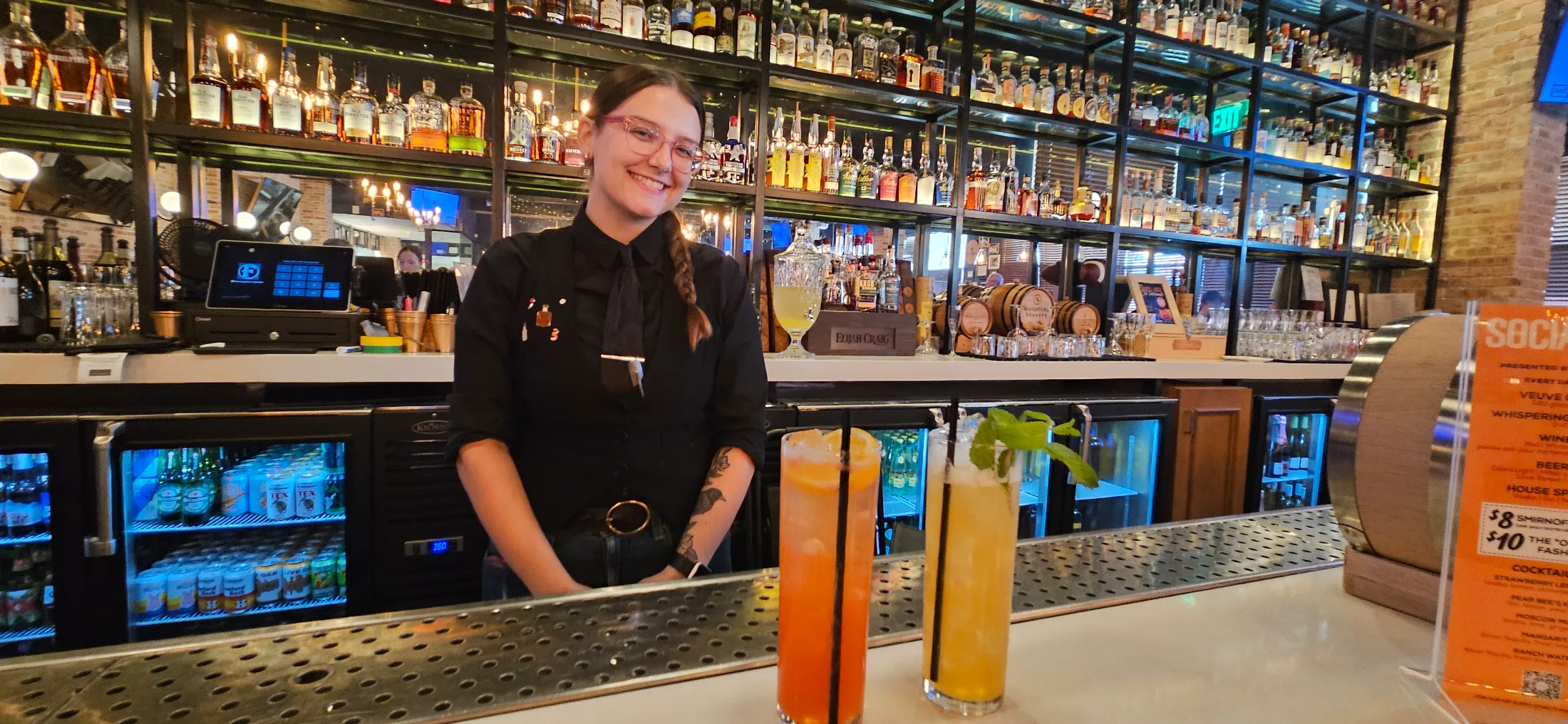
Federal American Grill Made a Believer Out of Me on the First Visit
A Realtor happy hour at Federal American Grill turned into a full-on discovery: two standout cocktails, buffalo chicken sliders, bang bang shrimp, and a bar built for repeat visits.
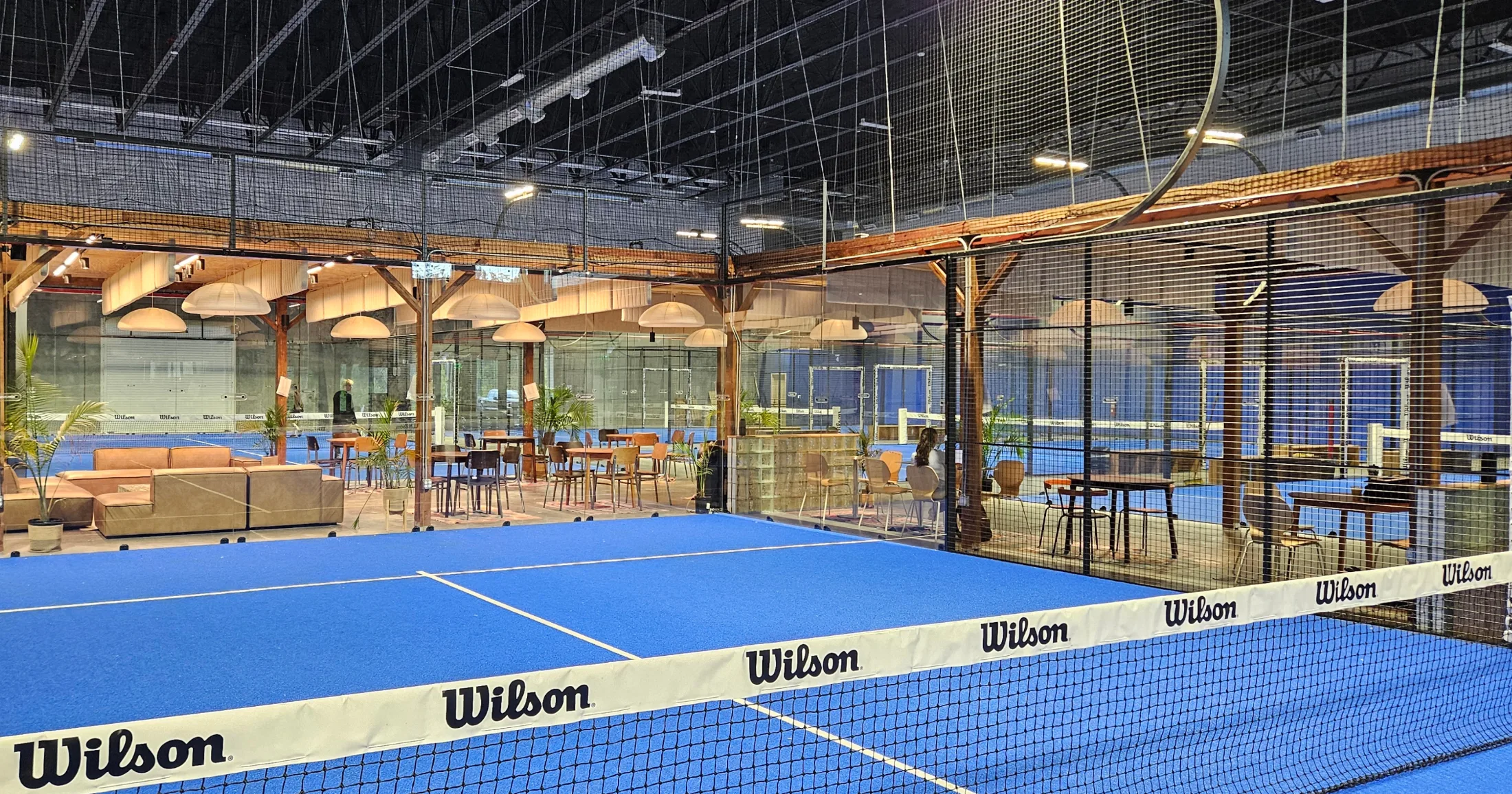
Lobb's Padel Is the Most Fun You Can Have on FM 1488, And You Don't Even Have to Play
Lobb's Padel at Dudley Sports Plaza on FM 1488 is equal parts sport, café, and neighborhood hangout. Five climate-controlled courts, a full wellness area, and a social calendar built for The Woodlands.
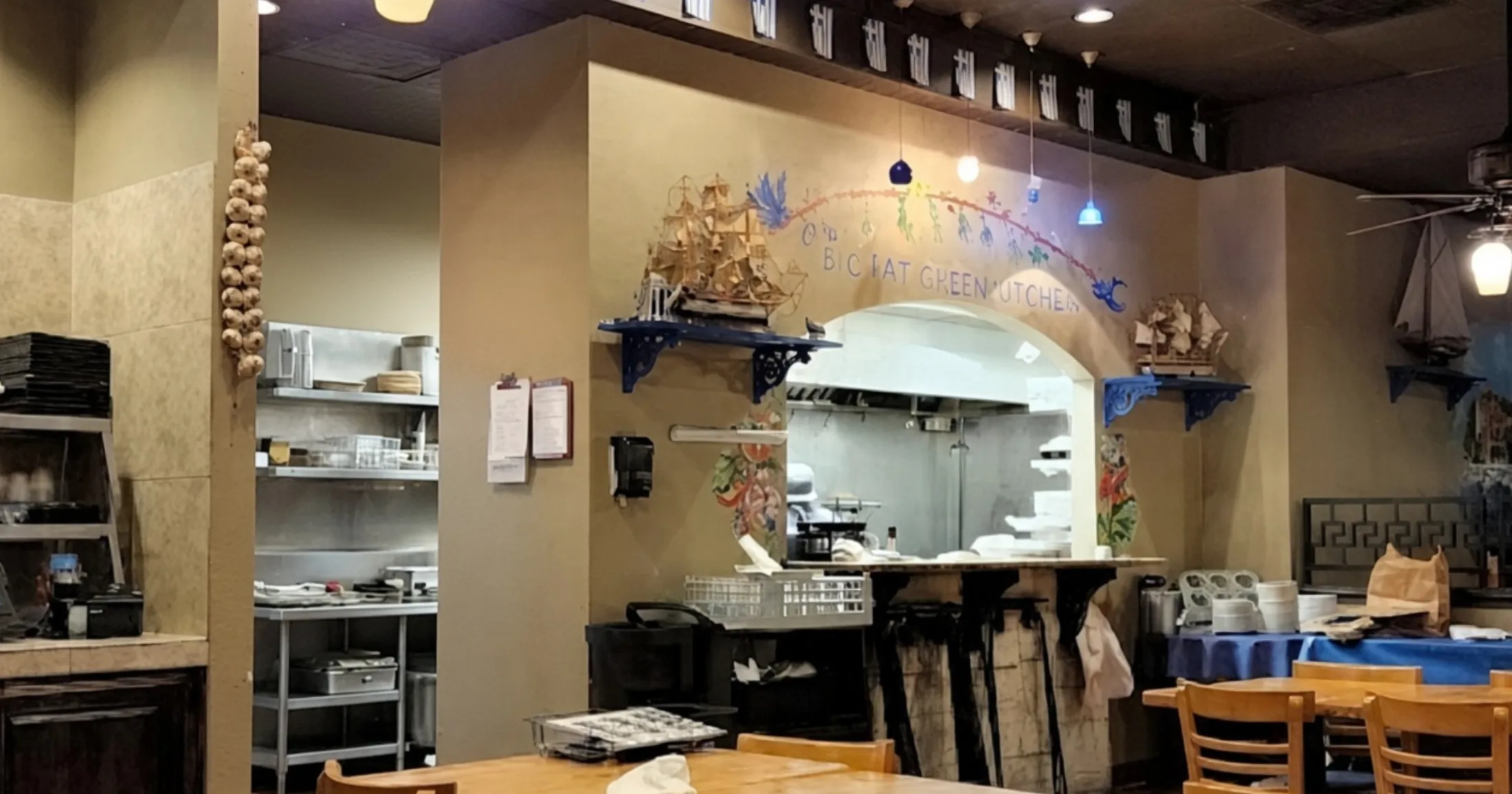
The Olive Oil on Sawdust Has Been Family Since 2010. You Can Taste It.
Toula Huliaris and her family took over a Greek restaurant on Sawdust in 2010, swapped every recipe for their own from Chios, and built something this community keeps showing up for.
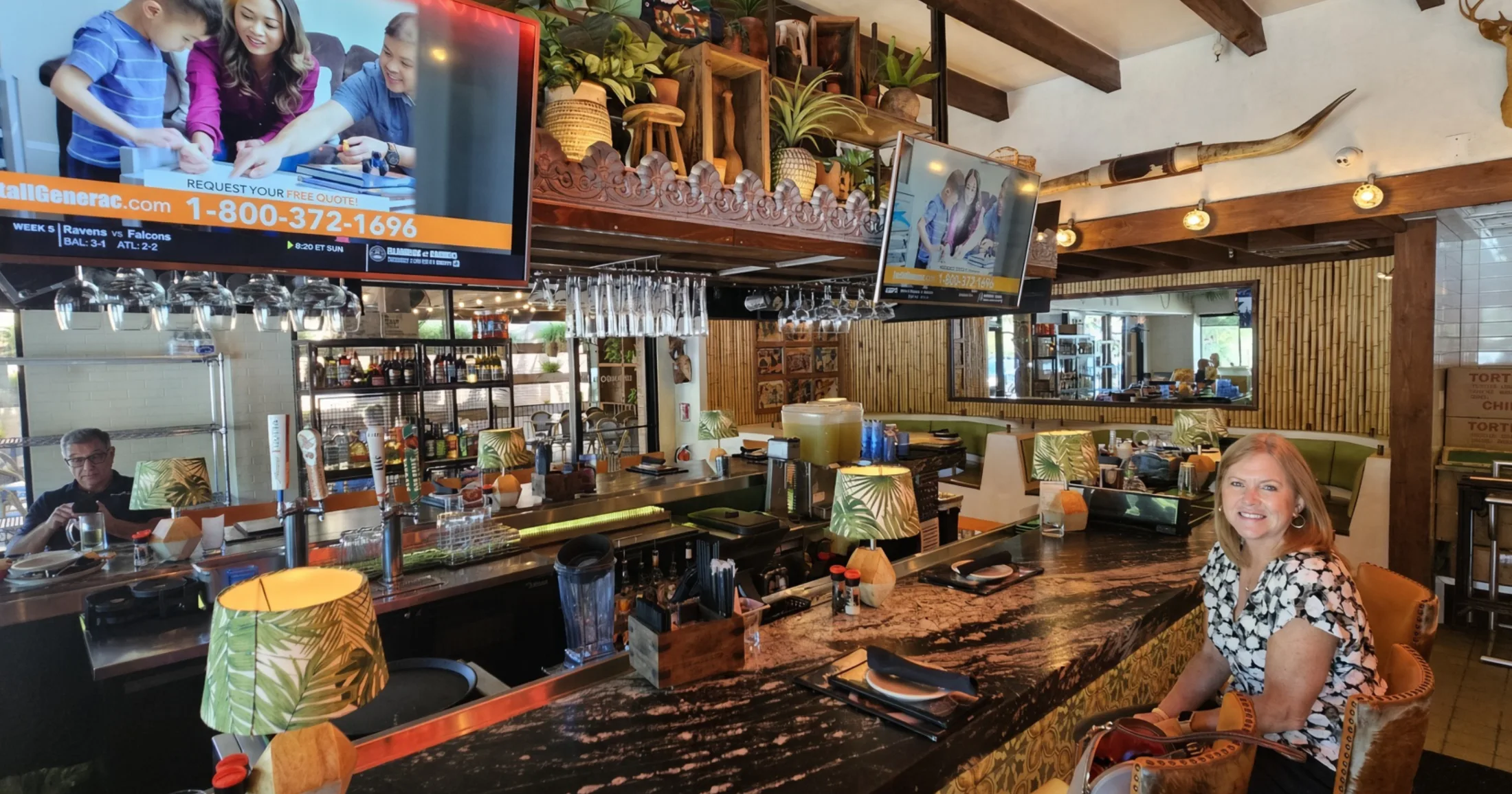
Ribeye Street Tacos and a Good Bartender: National Taco Day at Gringo's
Jen and I sat at the bar at Gringo's Tex-Mex on FM 2978 for National Taco Day. Bartender Jolie kept things moving, the ribeye street tacos delivered, and an afternoon worth repeating.
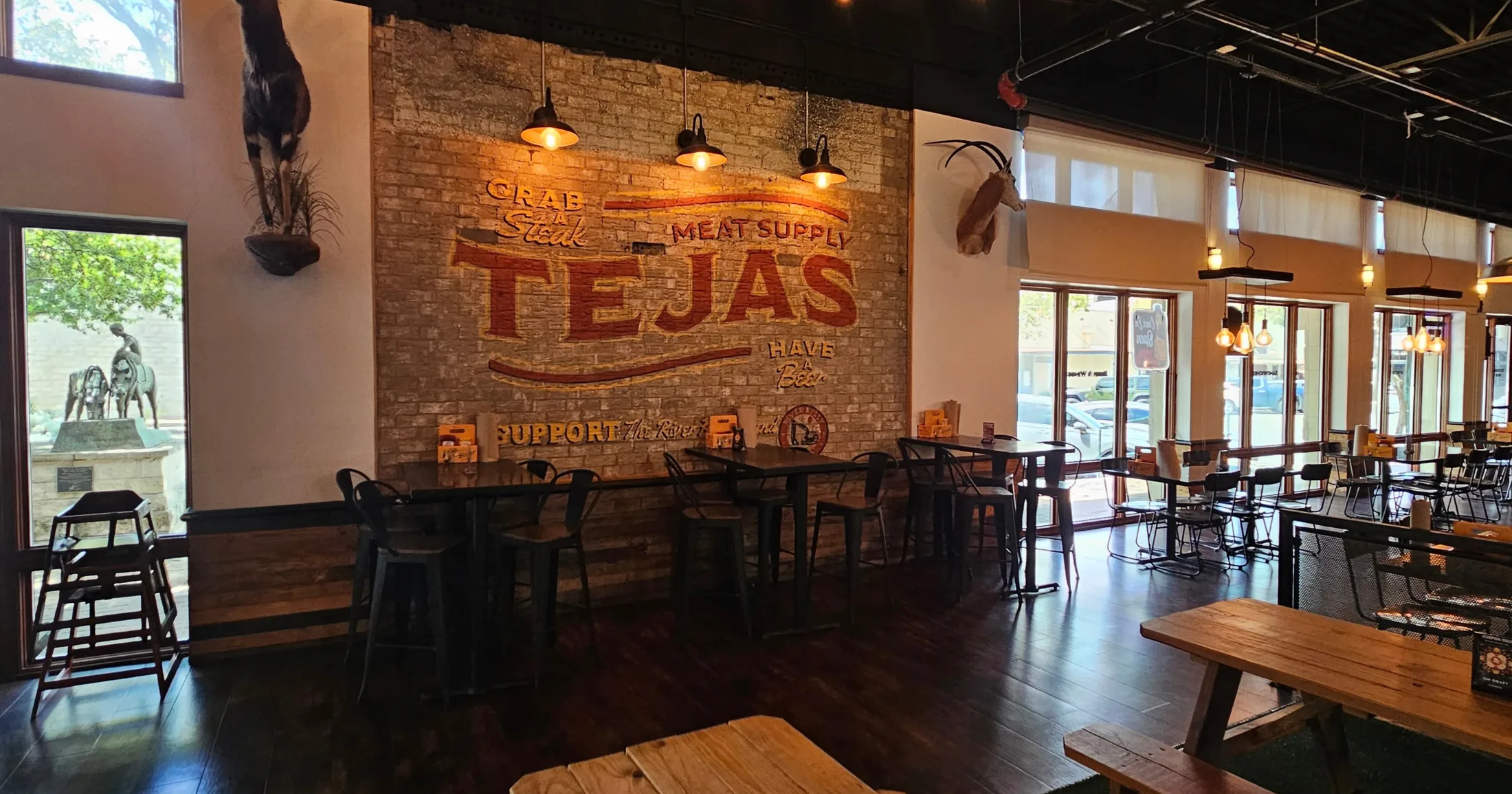
Grab the Steak Sandwich. You Will Be Glad You Did.
First time in Georgetown, I walked down East 7th and walked into Tejas Meat Supply on curiosity. Ordered the steak sandwich and felt like a local by the time I left.
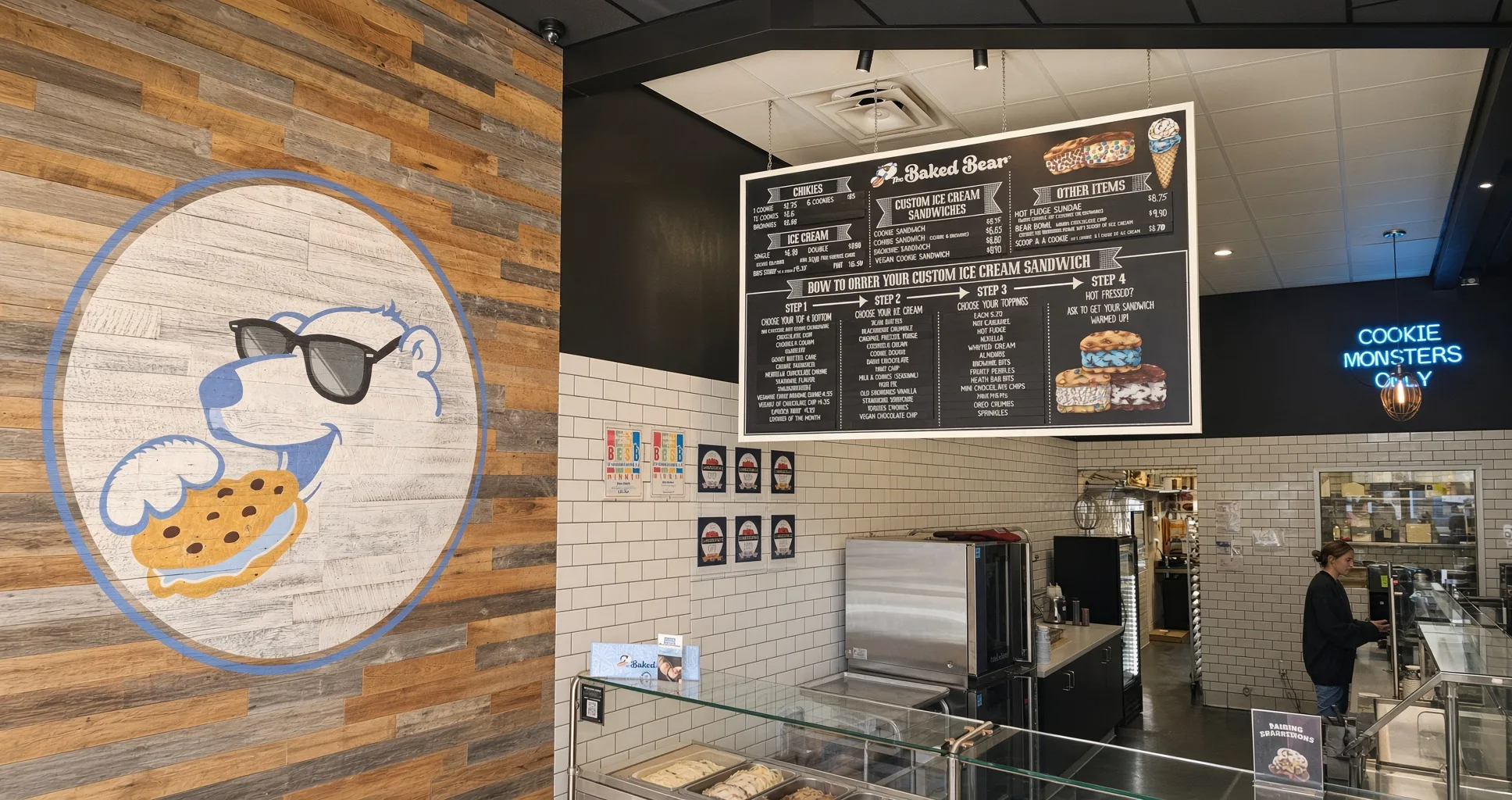
A Bartender Sent Me to The Baked Bear. He Was Right.
A bartender told me to get off the Square and walk to East 7th. I listened. The Baked Bear at 109 E 7th St builds custom ice cream sandwiches from scratch-baked cookies and they hold up.