

The Sandias sit at your back every morning when you step outside. They don’t frame a postcard skyline; they press the city into the valley floor where you actually live. You feel the slope under your tires on the way down from the foothills, then the flat stretch through neighborhoods that run east-west instead of up.
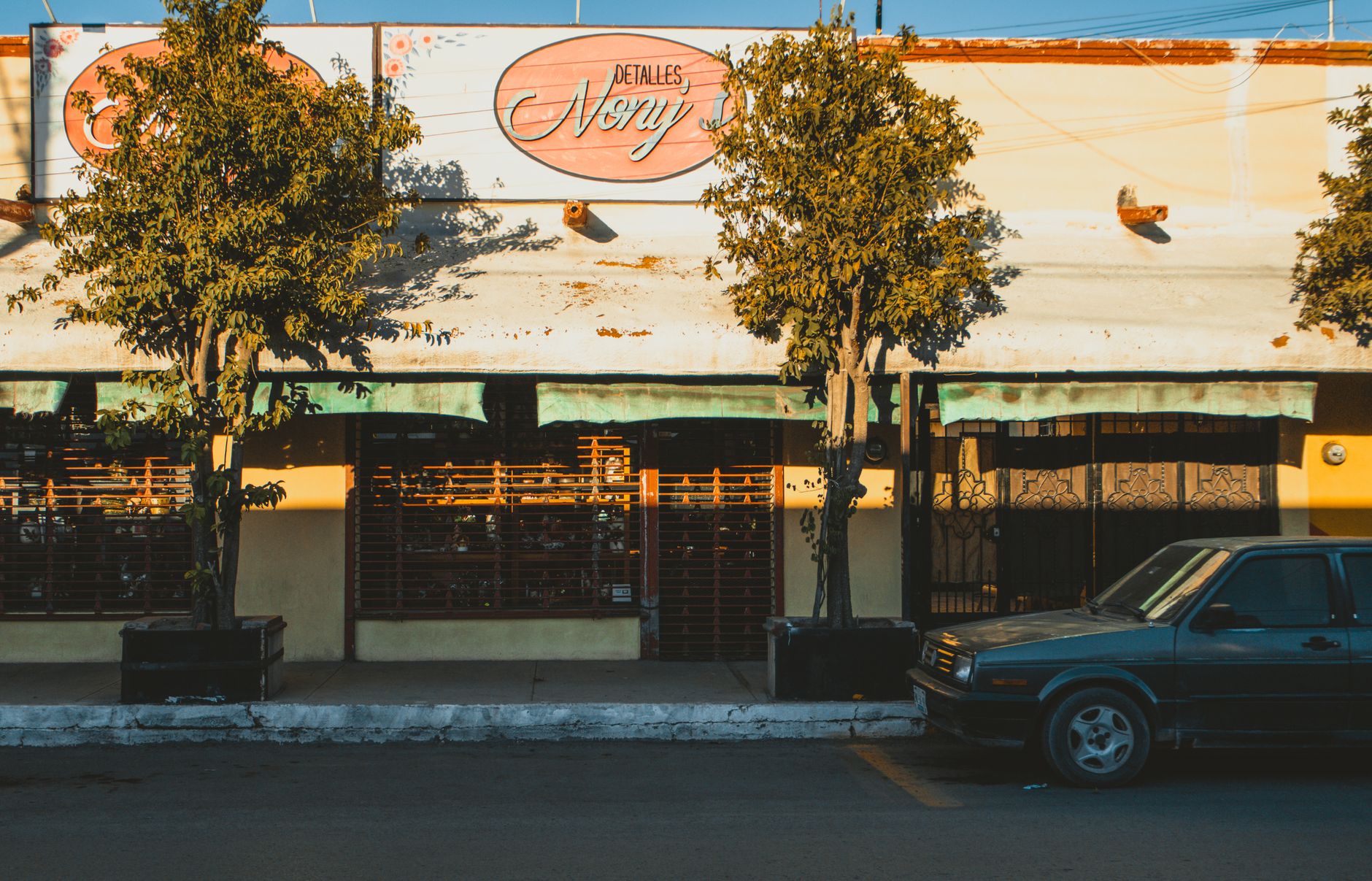
Drive Central east from Downtown and the rhythm changes fast. Nob Hill still carries the old neon and the low storefronts that survived the rerouting of traffic. You park on a side street, walk the blocks where the sidewalks buckle from tree roots, and the mountains stay visible over the rooftops the whole time. Turn south toward the river and the Bosque takes over, cottonwoods, irrigation ditches, the sudden quiet that makes the city feel far away even though you’re still inside it. Old Town sits a few blocks west, its plazas and adobe walls holding the original grid that everything else grew out from. None of these places stack into a dramatic vertical view. They spread across the valley the way the river once did.
The honest part is that the mountains make the rest of the city feel contained rather than expansive. You can reach the crest in under an hour on Tramway, look back down, and see the whole grid laid out between the Sandias and the volcanoes on the west mesa. That view explains why people stay. The same view also explains why the city never quite becomes the place outsiders expect when they picture a southwestern capital. The heat pools in the valley in summer. Winter inversions trap the cold and the wood smoke. Growth pushes east and west along the natural corridors instead of climbing the slopes, so the skyline stays low and the distances stay long.
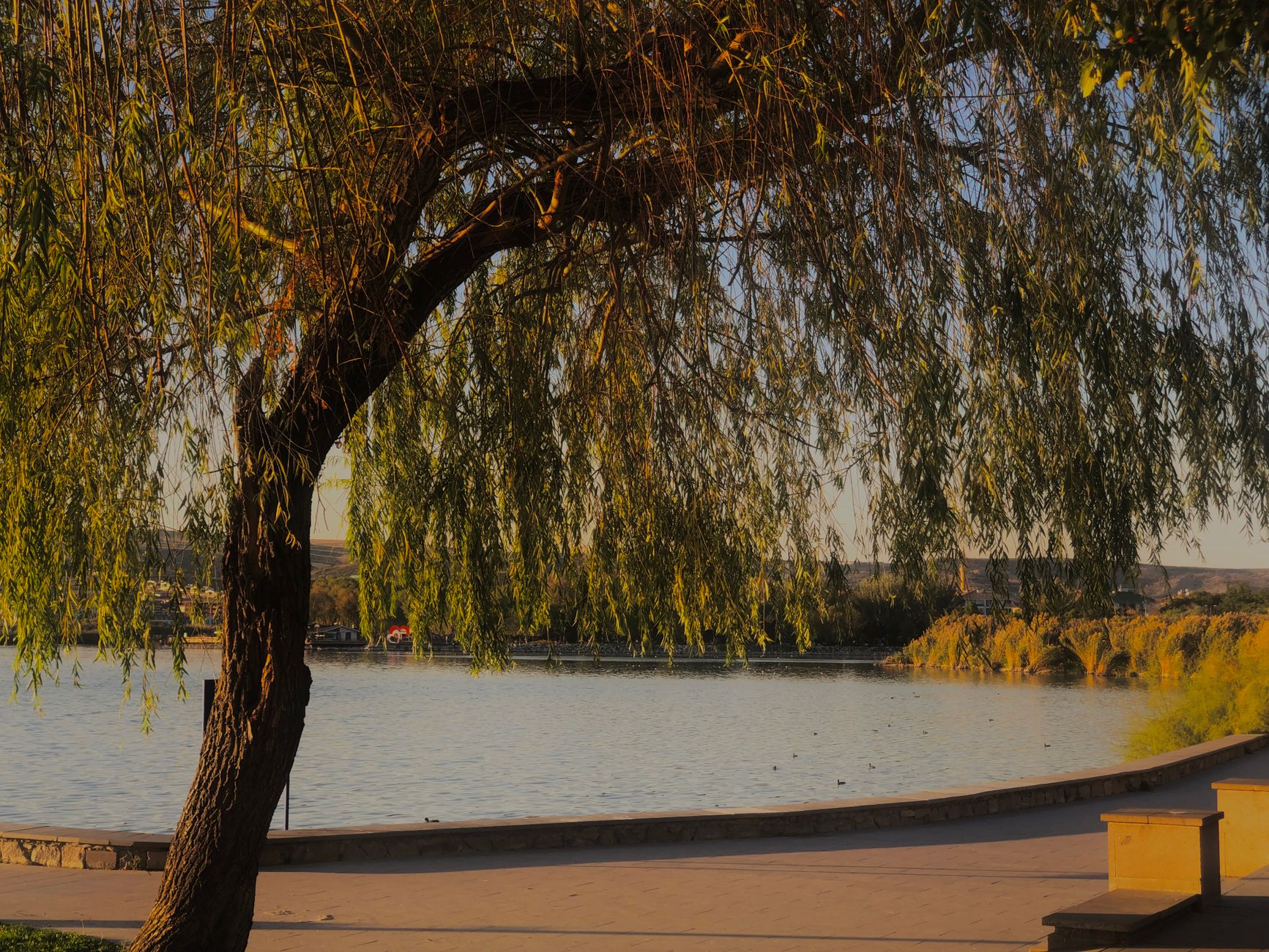
People who move here for the mountains often leave when they realize the daily life happens below them. The commute from the east side to jobs near the airport or along the river corridor runs through the same flat stretches every day. The Bosque trails give you shade and water, but they also remind you how narrow the green strip is compared with the surrounding desert. Downtown tries to pull energy upward with new buildings, yet the real activity still leaks back into the neighborhoods, Nob Hill for evening walks, the Bosque for morning runs, Old Town for the weekends when the plazas fill with locals who already know the shortcuts.
The tradeoff sits in that containment. The Sandias protect the city from the worst of the plains wind and give you an immediate sense of where you are. They also keep the horizon close. You don’t get the layered skyline of a city built on successive economic booms; you get the valley floor and the abrupt rise behind it. That geography rewards people who treat Albuquerque as the place they inhabit rather than the place they visit for the view.
One thing. LIVIN.in has no Market Mayor in Albuquerque yet. If you live here and know how the valley actually works, where the wind hits hardest, which stretches of the Bosque stay usable after rain, why certain neighborhoods stay quiet while others shift, you’re the one who should hold the seat. that seat's open, come tell us.
LIVI