
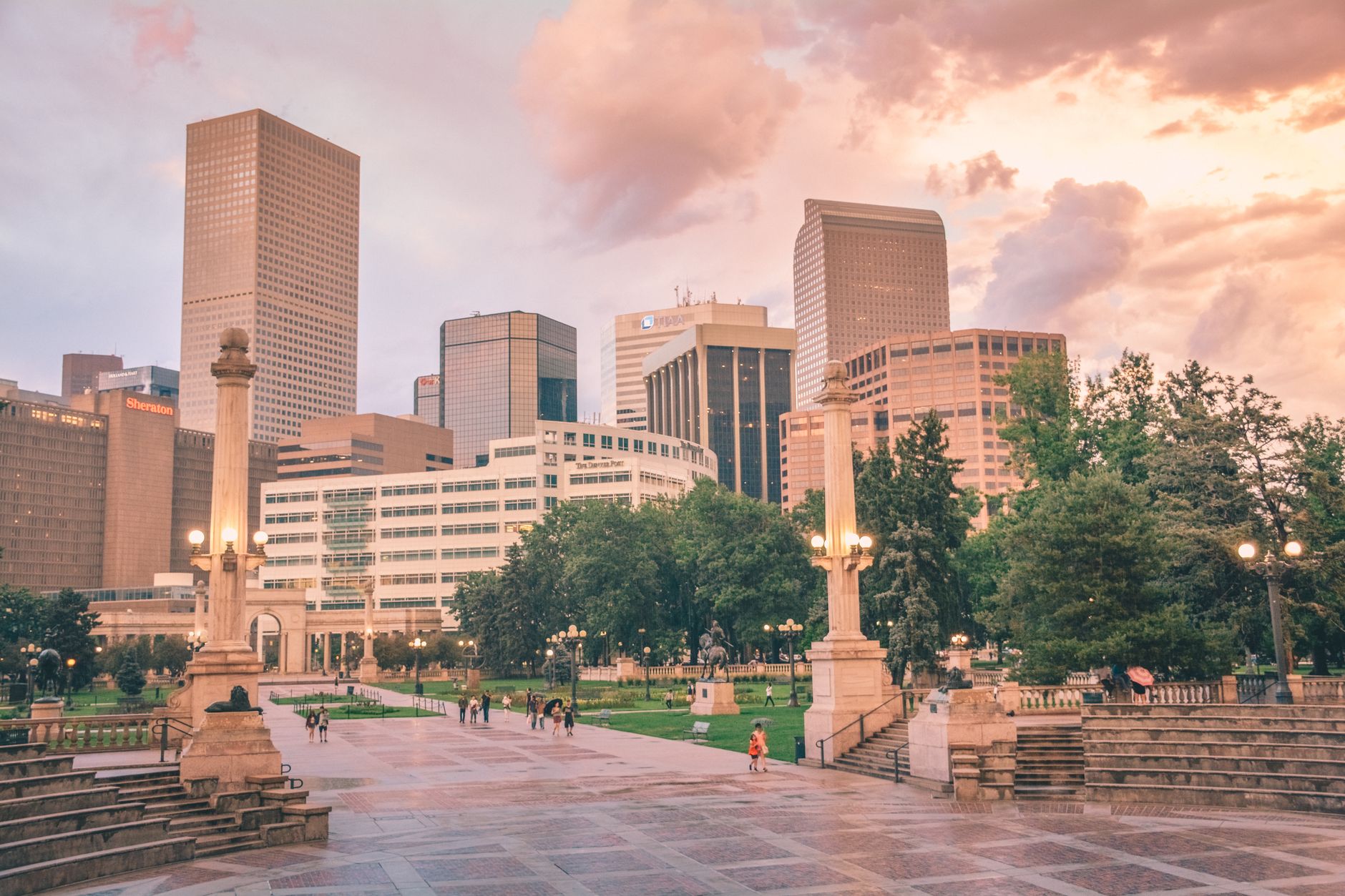
You step off the plane thinking Denver is one city, but the first Uber ride already splits it open. The driver asks which slice you’re headed for, and the answer decides everything that follows. LoDo still hums with the old rail yards and warehouse bones; RiNo throws color at you from every brick wall; Highlands sits higher and quieter, its streets lined with porches that face the mountains instead of each other. None of them feel like the same place.
I picked RiNo first because the light looked right at golden hour. The old stockyards had become wide streets where people walk with coffee and dogs before the galleries open. From there the Platte runs low and fast under the bridges, and you can cut west into LoDo without ever hitting a highway. That short hop felt like crossing into another town. LoDo keeps its own pace, more suits at midday, more tourists counting the brick facades. I tried living between the two for a month. Every morning I chose which version of the day I wanted, and every evening the choice reminded me I hadn’t actually picked a home.
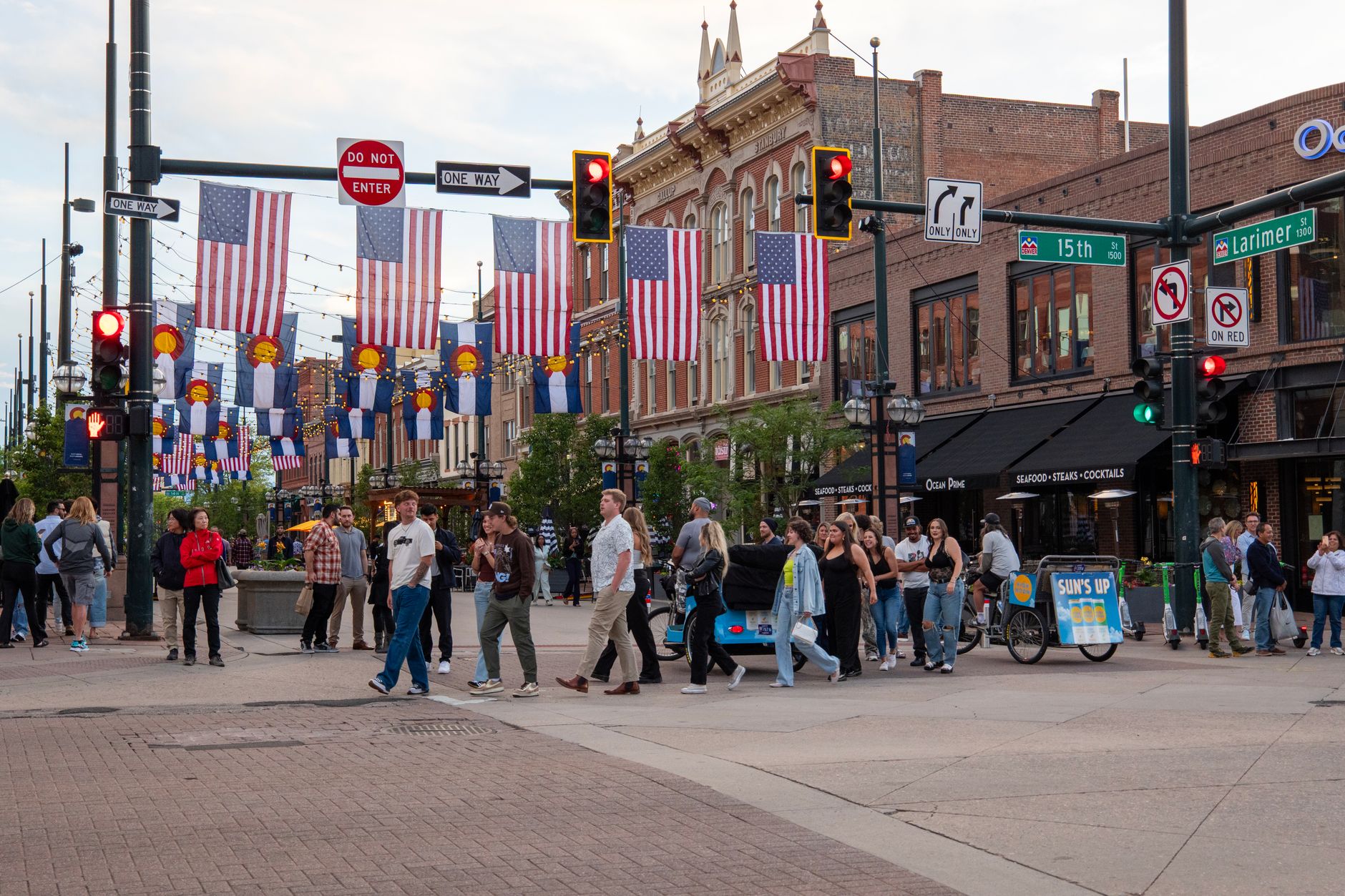
Capitol Hill sits east of both, its Victorian rows and wide avenues carrying a different temperature. The streets slope toward the capitol dome, and the energy stays later into the night. I walked those blocks after dark once and realized the neighborhood keeps its own calendar. Wash Park, farther south, moves slower still, its lawns and paths hold the people who treat the city like a long Sunday. Highlands, across the river again, trades that leisure for steeper streets and tighter sightlines toward the foothills. Each slice has its own weather even when the forecast says the same thing for Denver.

The mistake is believing you can collect them. You start telling yourself the short drive from RiNo to Wash Park is nothing, that you’ll keep the friends and the coffee and the quiet in equal measure. Then the light changes earlier on one side of town, the parking tightens on another, and the versions of you begin to drift. You end up belonging to none of them because you keep treating the whole map as available real estate instead of a set of separate rooms.
What actually works is picking the slice whose rhythm already matches the one you wake up with. Everything else becomes a visit. The river still runs past all of them, the mountains still sit on the western edge, but the daily texture changes the second you cross a single street. That is the city as it actually exists, five or six overlapping places that share a skyline and little else.
One thing. LIVIN.in has no Market Mayor in Denver yet. If you know which slice is which and why the others don’t fit, that seat's open, come tell us.
LIVI