
Portland's bike network is not a citywide system that makes car-free living possible from Lents to Linnton. It is, however, the most complete connected network of protected lanes and neighborhood greenways of any large American city — and in the right inner neighborhoods, going without a car is cheaper and less stressful than owning one. People move here on the promise of the former and get surprised by the reality of the latter. That gap is worth mapping before you sign a lease.
Car-light living in Portland works reliably within a geography that runs roughly from the Lloyd District west through the Pearl, and from Mississippi Avenue south through Division Street on the east side. Step outside that core and the network thins fast.
What Car-Light Actually Costs
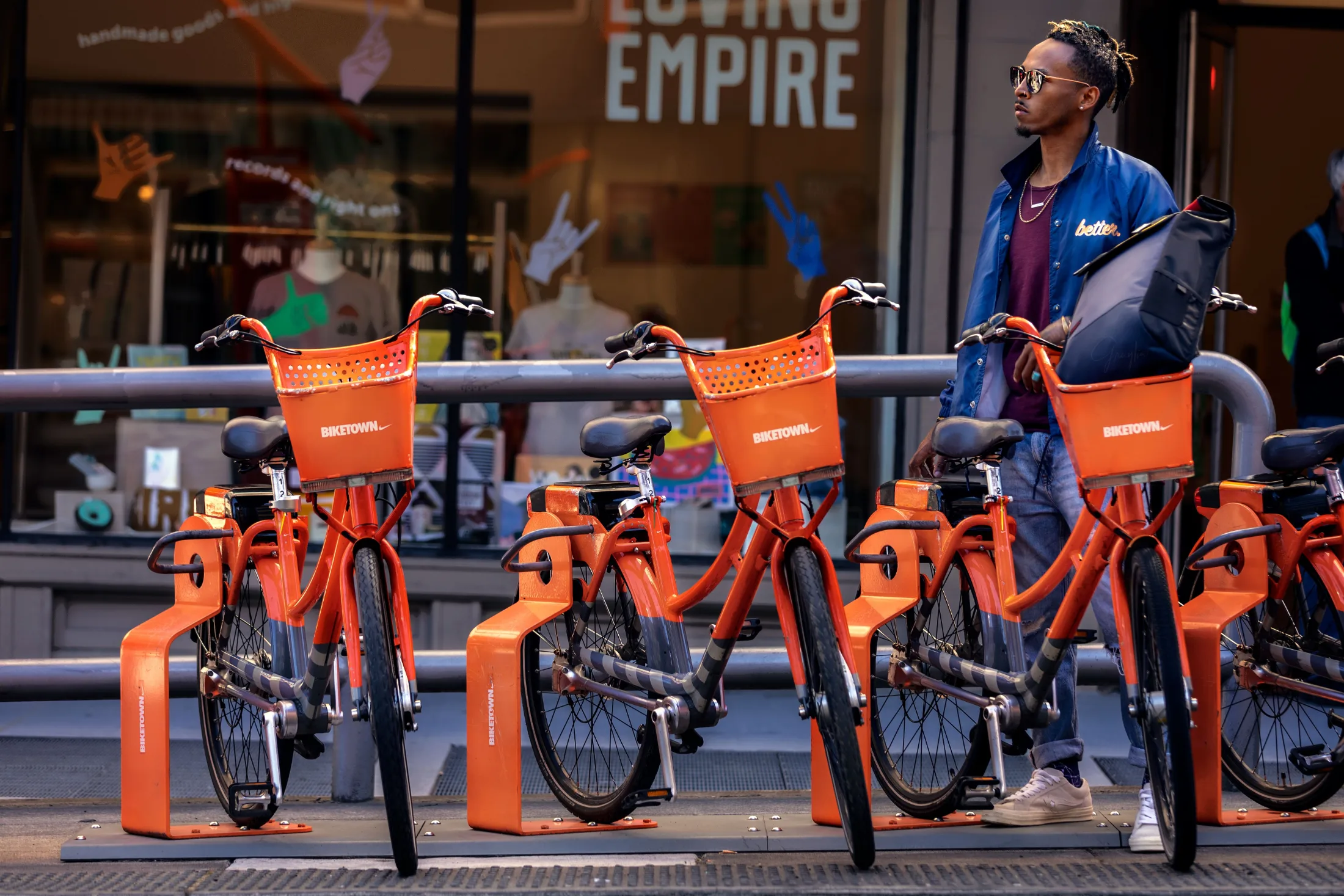
Run the math first. A Portland household that drops a car eliminates insurance, loan or depreciation, parking, registration, and fuel — costs that routinely exceed what a BIKETOWN membership, a MAX pass, and an occasional Zipcar reservation add up to in a year. BIKETOWN's e-bike fleet is the backbone: a monthly membership grants access to the orange electric bikes stationed across the inner city, and the e-assist makes the Willamette's modest headwinds and the West Hills' lower slopes manageable for everyday riders in work clothes. For trips that need four wheels — a lumber run, an airport drop — app-based carshare fills the gap. The car-light household in inner Portland is not a sacrifice play. It is a straightforward financial decision that the right address makes easy.
The Inner Eastside: Where the Network Is Tightest
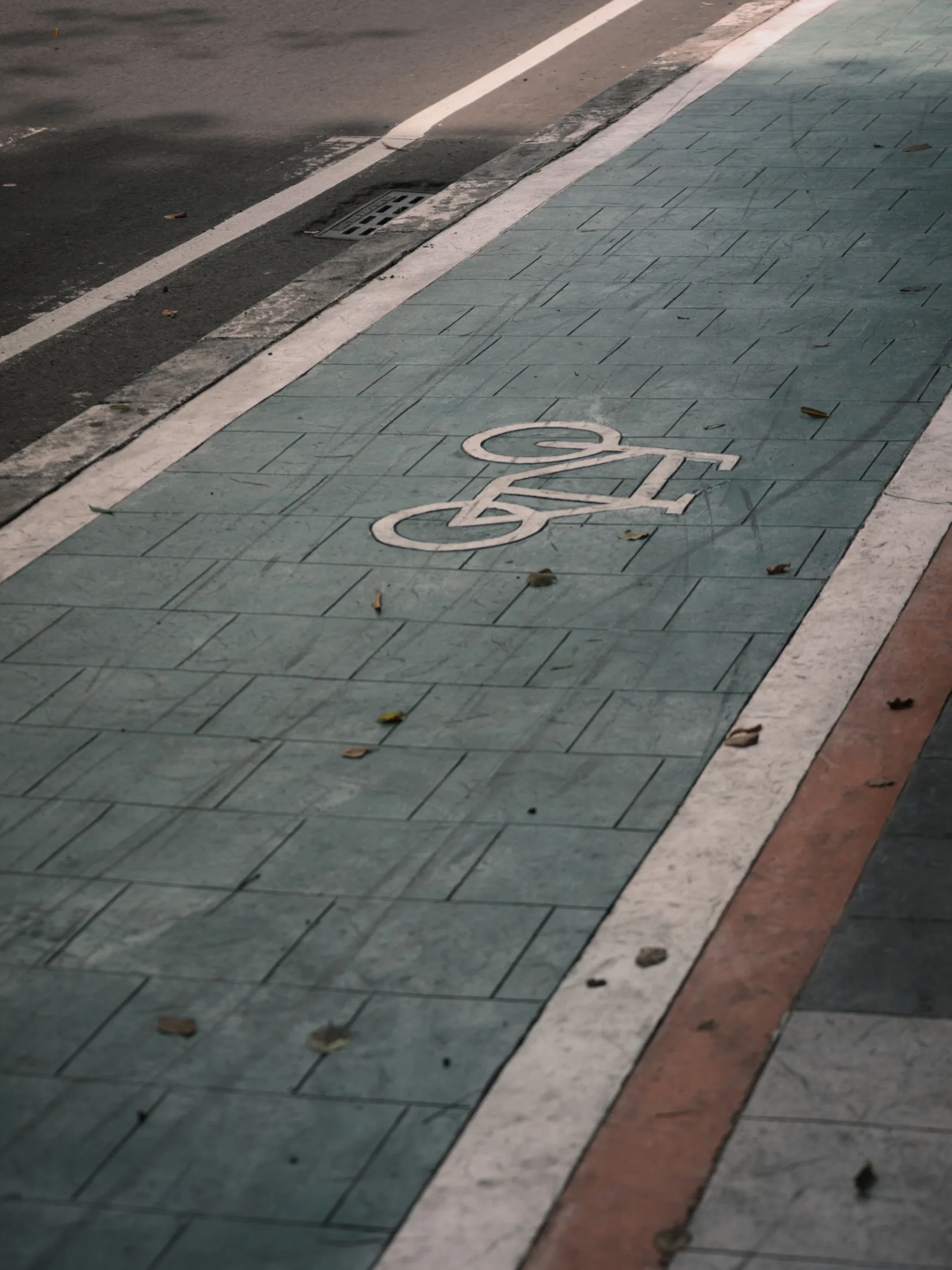
The east side of the river is where the car-light argument is strongest. The neighborhood greenway system — low-traffic residential streets signed and marked for bicycle priority — threads through Kerns, Buckman, Richmond, and Hosford-Abernethy in a way that lets you travel north-south and east-west on streets where through-car traffic is actively discouraged. These greenways connect to protected lanes on major corridors and land you at MAX stations, the Hawthorne and Morrison bridges, and the Eastbank Esplanade without a single unprotected left turn across fast traffic.
Division Street and Hawthorne Boulevard are the commercial spines here. Both are within easy greenway reach, which means groceries, restaurants, and most daily errands resolve on two wheels. The density of BIKETOWN stations in this zone means you can make a one-way trip and leave the bike — you are not tethered to a return journey.
The Westside: Narrower but Real
Cross the river and the calculus shifts. The Pearl District and the South Park Blocks area are genuinely walkable and bike-connected, with protected infrastructure on several key streets and MAX lines running in multiple directions. NW 18th and the Lovejoy corridor give riders a protected path between neighborhoods. But the westside network is thinner in coverage, and the topography — the West Hills rise quickly past NW 23rd — creates real friction. For residents of the Pearl, South Park Blocks, or close-in Northwest, car-light is still a serious option. For anyone living up in the hills, it becomes a much harder case to make without e-assist.
Who It Works For — and Where It Stops
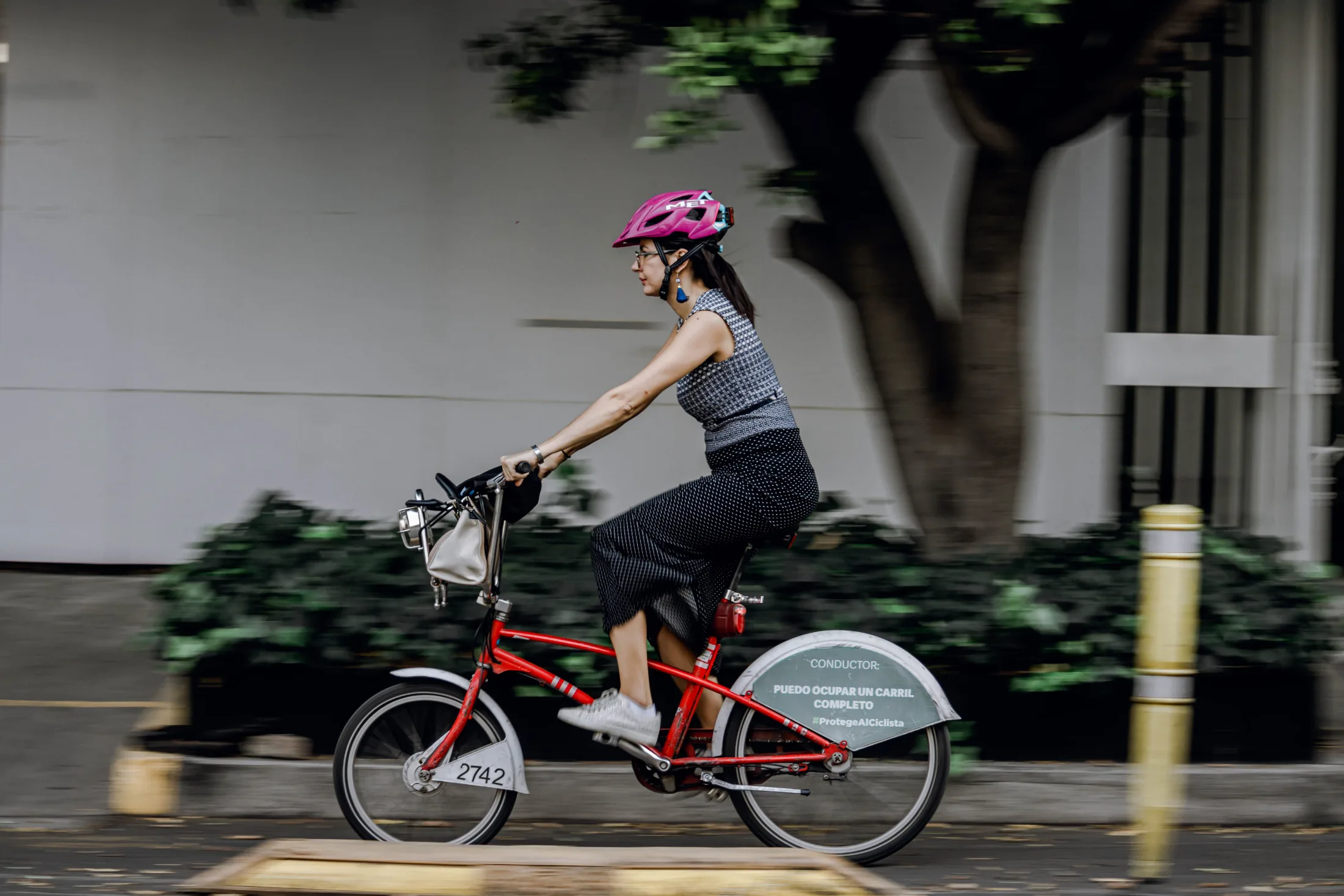
Car-light living in Portland works best for people whose jobs sit along a MAX or streetcar line or within the inner bike grid, who do not regularly haul children across the metro area on a schedule, and who are comfortable doing their grocery shopping in smaller, more frequent trips. It gets harder with dependents, with jobs in Beaverton or Hillsboro (though MAX reaches both), and with any kind of specialized medical or care routine that demands precise, flexible timing.
The limits are geographic. East Portland — the neighborhoods east of roughly 82nd Avenue — is largely underserved by the protected network. North Portland has greenways but the connections to downtown are longer and less continuous. Southwest Portland is, bluntly, not built for it: the street grid fragments, the hills are steep, and the transit frequency drops off sharply.
The City's own bike plan acknowledges the gap between the inner network and the rest of the city. Acknowledging it is not a criticism — it is the geography you need before you make a housing decision around the assumption that you can go car-light here.
The Neighborhoods That Make It Work
If you are moving to Portland and car-light living is part of the plan, the neighborhoods that make it work without daily friction are: Richmond, Buckman, Kerns, Hosford-Abernethy, and Sunnyside on the east side; the Pearl and close-in Northwest on the west. Those are the places where the protected lane and greenway network is dense enough that you will rarely feel its edges. Everywhere else in the city, you are making tradeoffs — and you should price those tradeoffs before you sign a lease, not after.
Portland's car-light network is genuinely the best in its class among large American cities. So is this true: it covers maybe a quarter of the city's geography at a quality that actually changes daily behavior. Move into that quarter intentionally, and dropping a car is one of the smarter financial and quality-of-life moves you can make here. Move outside it assuming the network will meet you, and you will be back to car ownership inside six months.