

Toronto does not reveal itself from the core. It fractures into pieces the moment you leave the obvious corridors, and each piece insists on its own rules. The lakeshore pulls you one way with its flat wind and long views, while Queen West pushes back with tight storefronts and constant foot traffic. The Annex sits north with its brick houses and steady academic hum. Leslieville stretches east in a slower line of porches and side streets. Kensington Market folds in on itself with its narrow lanes and overlapping voices. None of them line up neatly, and that is the point.
I learned this the first time I tried to cross from the Annex down through the university grounds toward the waterfront in one straight shot. The walk looked simple on a map, but the temperature shifted twice, the crowd changed from students to commuters to runners along the path, and by the time I reached the water the light had already turned. The city had not moved; I had simply stepped through four different versions of it without warning. That is how the neighborhoods hold. They refuse to average out.
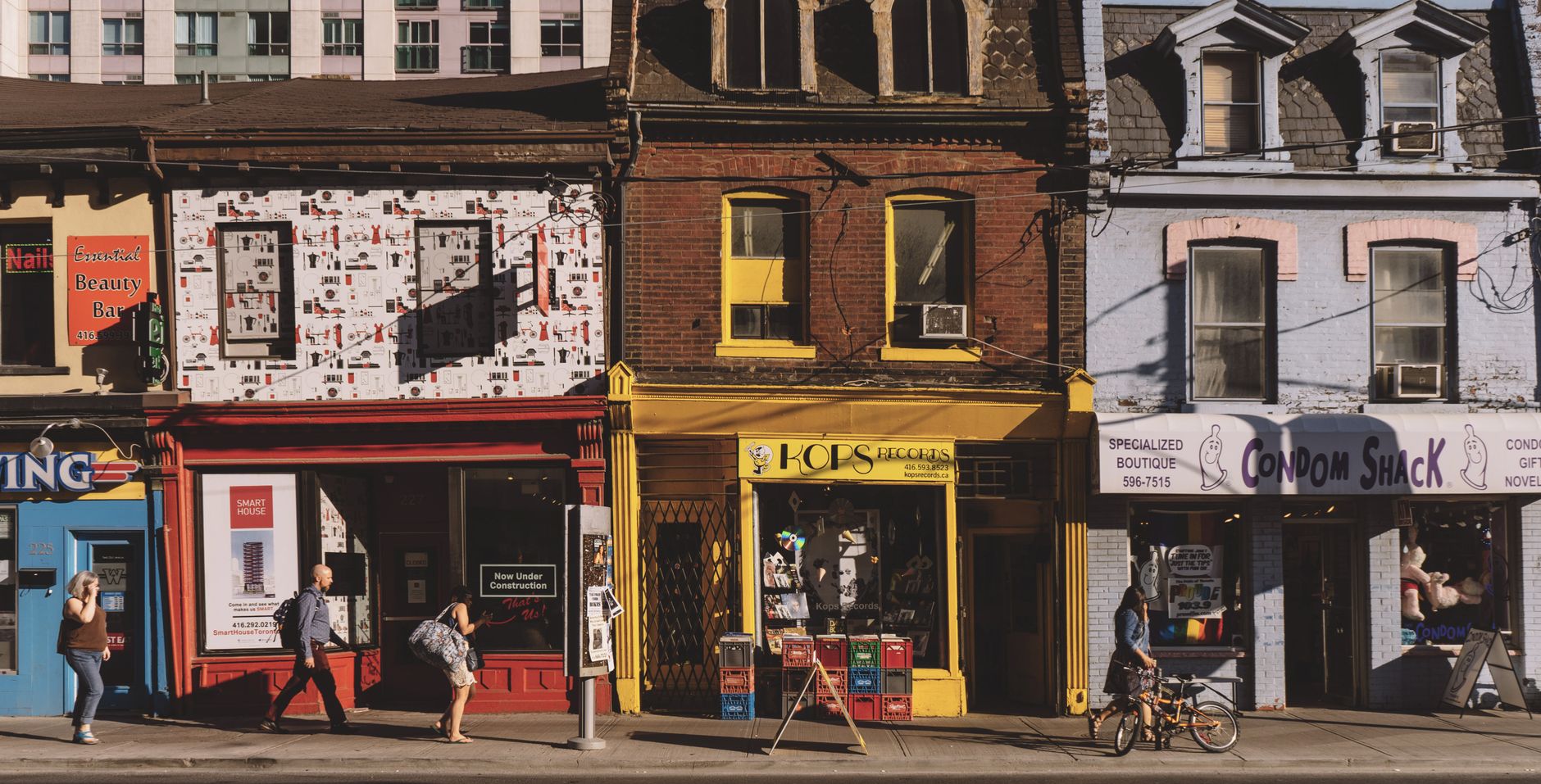
Queen West keeps its own clock. The street runs west from the old core in a line of low buildings and changing storefront rhythms. People here move with purpose but stop often. Further east, Leslieville opens up into residential blocks where the pace drops and the conversation turns local. The Annex stays denser, its sidewalks narrower and its evenings louder with debate spilling from doorways. Kensington cuts across all of that with its produce stalls and secondhand layers, forcing you to slow down whether you planned to or not. The lakeshore, by contrast, offers the long reset where the skyline sits across the water and the neighborhoods feel distant again.
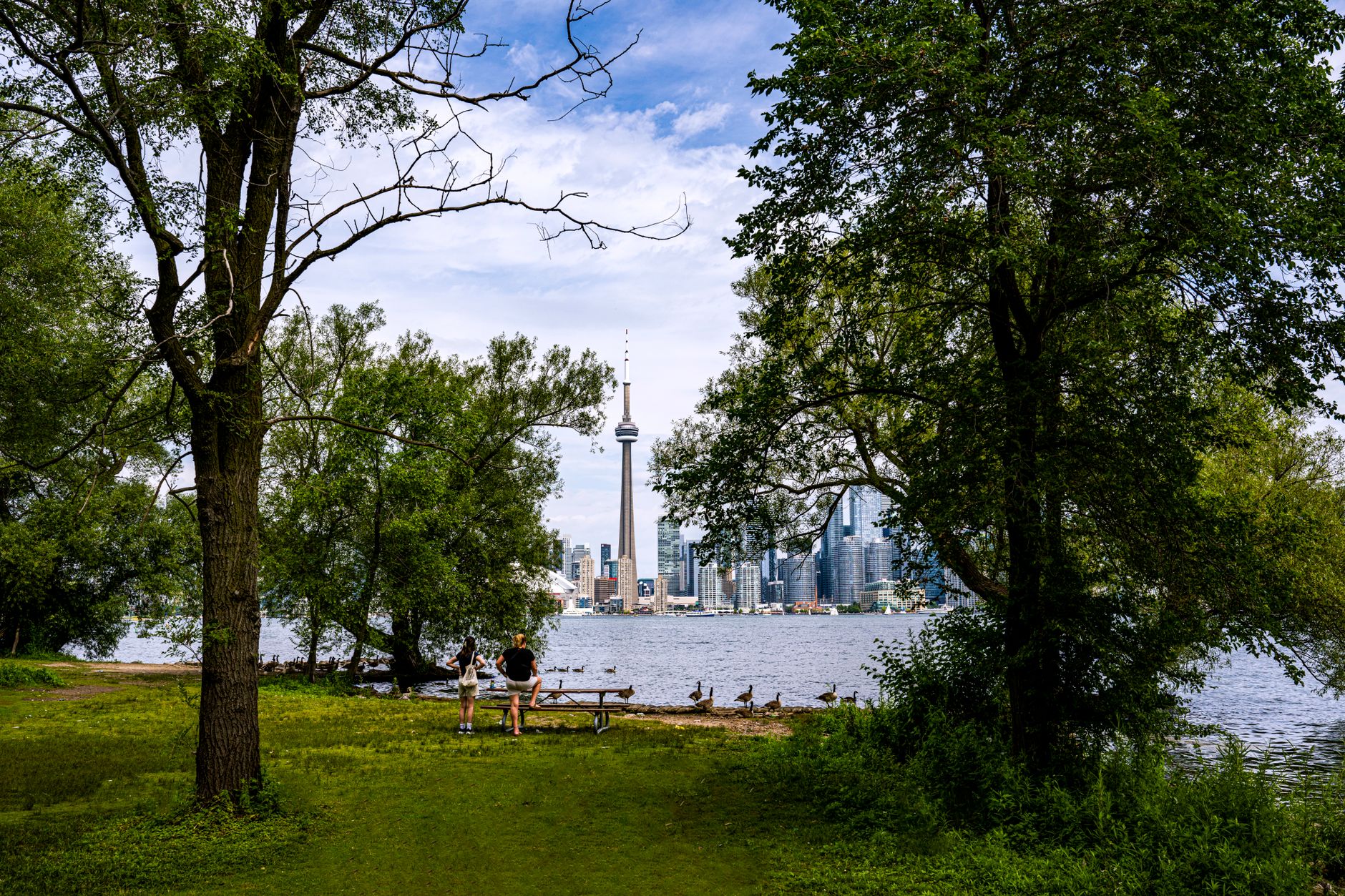
The failure mode is simple: treating the city as a single surface. You pick a central point, stay within walking distance of it, and convince yourself you have seen Toronto. What you have actually seen is one neighborhood’s version of the place, repeated. The Annex does not behave like Leslieville. Queen West does not share the same evening logic as the stretch along the lakeshore. Cross between them without adjusting and the day flattens into transit and missed signals. The neighborhoods do not reward the tourist loop; they reward the person willing to leave one and enter another on its own terms.
That is the tradeoff. You gain real texture only by accepting fragmentation. The city stays legible inside each pocket, but the pockets do not translate. You can spend an afternoon in Kensington and still feel lost twenty minutes later on a quiet block in Leslieville. The lakeshore will not explain the Annex, and the Annex will not prepare you for the shift on Queen West after dark. The map lies by suggesting continuity; the ground tells the truth by refusing it.
One thing. LIVIN.in has no Market Mayor in Toronto yet. If you are the person who actually moves between these neighborhoods and can name what changes when you cross each line, that seat's open, come tell us.
LIVI