

Sunset at Clearwater Beach and Pier 60
Sunsets at Pier 60 began on March 17, 1995, at a 1,080 foot concrete pier that faces due west.

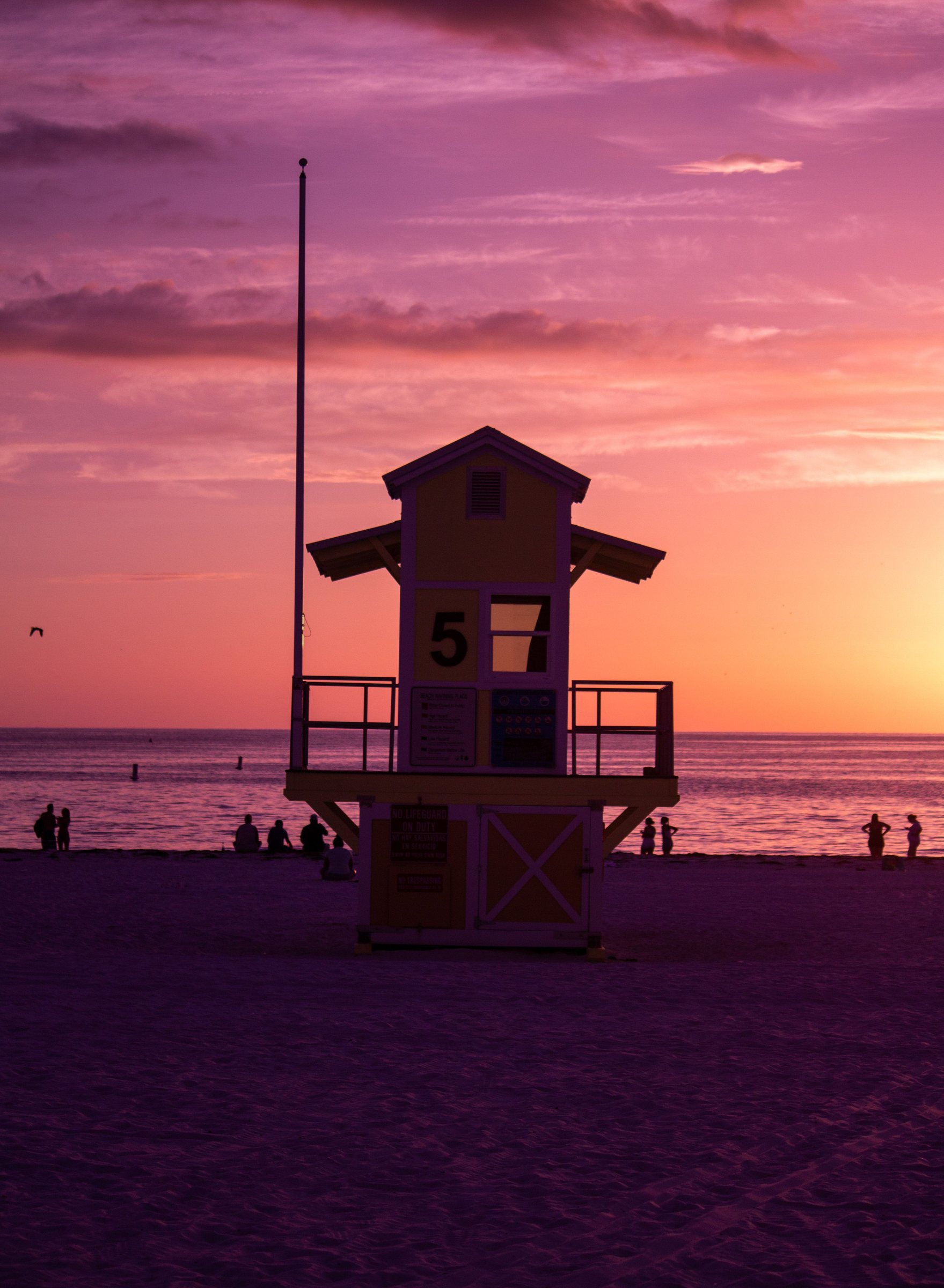
Clearwater Beach
Clearwater Beach occupies a barrier island out in the Gulf of Mexico. The island lies to the west of the city's other parts, and the Intracoastal Waterway separates the beach from that mainland side. Across that waterway, the Clearwater Memorial Causeway is the connection that ties the island to the rest of the city. Along the Gulf, the white sand beaches stretch for 2.5 miles. Pier 60 is a concrete pier measuring 1,080 feet, set where the Memorial Causeway roundabout ends, at the beach's dead center.
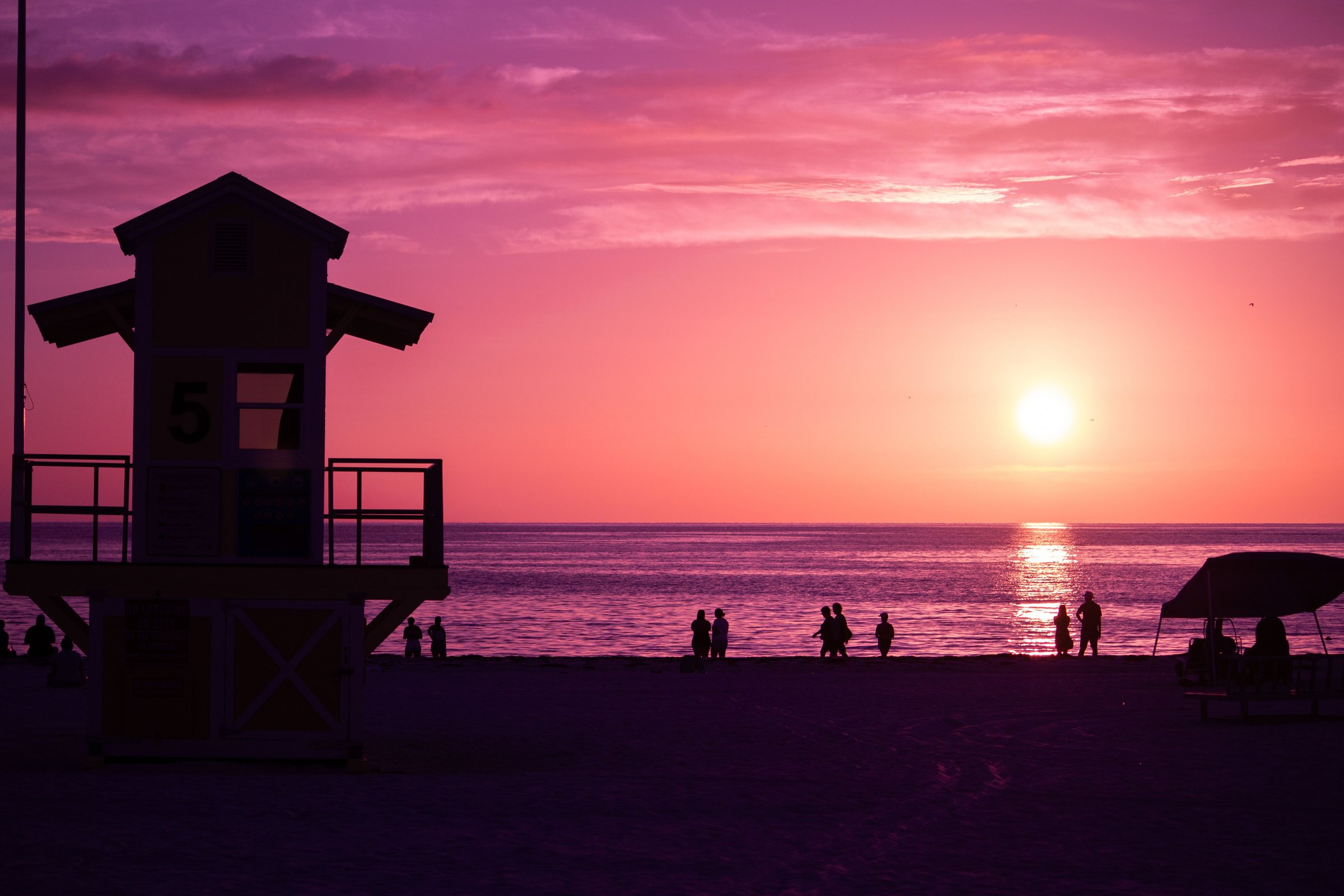
The pier faces due west. Nothing stands in front of it, which makes Pier 60 a natural sunset viewpoint. When you look back from sand just south of Pier 60, the pier sits in silhouette and serves as foreground to the sunset. From the pier itself, the sunrise view looks east, out over the causeway.
Clear Water Island
In the city's chronology, this island is called Clear Water Island. The chronology names Prudence Shafer as the first homesteader, and it dates that homestead to 1883. In 1896 Ernest Tate bought the island and built a house on it. For a while, people called the place Tate's Island.
Memorial Causeway
In 1917 a wooden span called the Rickety Bridge, which ran from Seminole Street, reached completion, and the beach was platted for development that year. Dedication of the first Memorial Causeway came in 1927. On August 18, 2005, today's Memorial Causeway bridge opened. It is a fixed span of 74 feet, and it took the place of the old drawbridge.
Today's Memorial Causeway is a six lane road. It has greenways and pedestrian walkways. Its crossing of the Intracoastal Waterway is a fixed span. A short bridge links this island, on the south, to Sand Key, another barrier island. The south end of the beach has a 1996 link to Sand Key, a high level bridge from that year.
Pier 60
The first Clearwater Beach pier was built of wood and rested on hundreds of pilings. Later, a newer pier in concrete opened beside the old wooden pier. A jetty at the beach's south end trapped sand in such quantity that the pier had to be lengthened to almost double its original size in order to reach deep water. The newer pier had to occupy the exact footprint of the pier it replaced. In 1994 the rebuild stayed on that old footprint, and extended the pier to 1,080 feet.
The name Pier 60 comes from State Road 60, and that road ends at Clearwater Beach. Pier 60 Park carries the address 370 Mandalay Avenue. The park holds paved walking trails, picnic tables, and a playground. Covered pavilions and telescopes count among the facilities at Pier 60. Most afternoons, pelicans work along the rail near the cleaning stations.
Sunsets at Pier 60
The festival Sunsets at Pier 60 had its first night on March 17, 1995. It is a nightly sunset celebration that runs year round, and the event is family friendly. Each evening, local artists join craftspeople and performers in offering merchandise and entertainment at the pier. In the plaza at the pier's base, the nightly festival brings in musicians and magicians, plus balloon artists and jugglers. 30 plus craft vendors take part in the festival. Timing for the festival is two hours before sunset through to two hours after sunset.
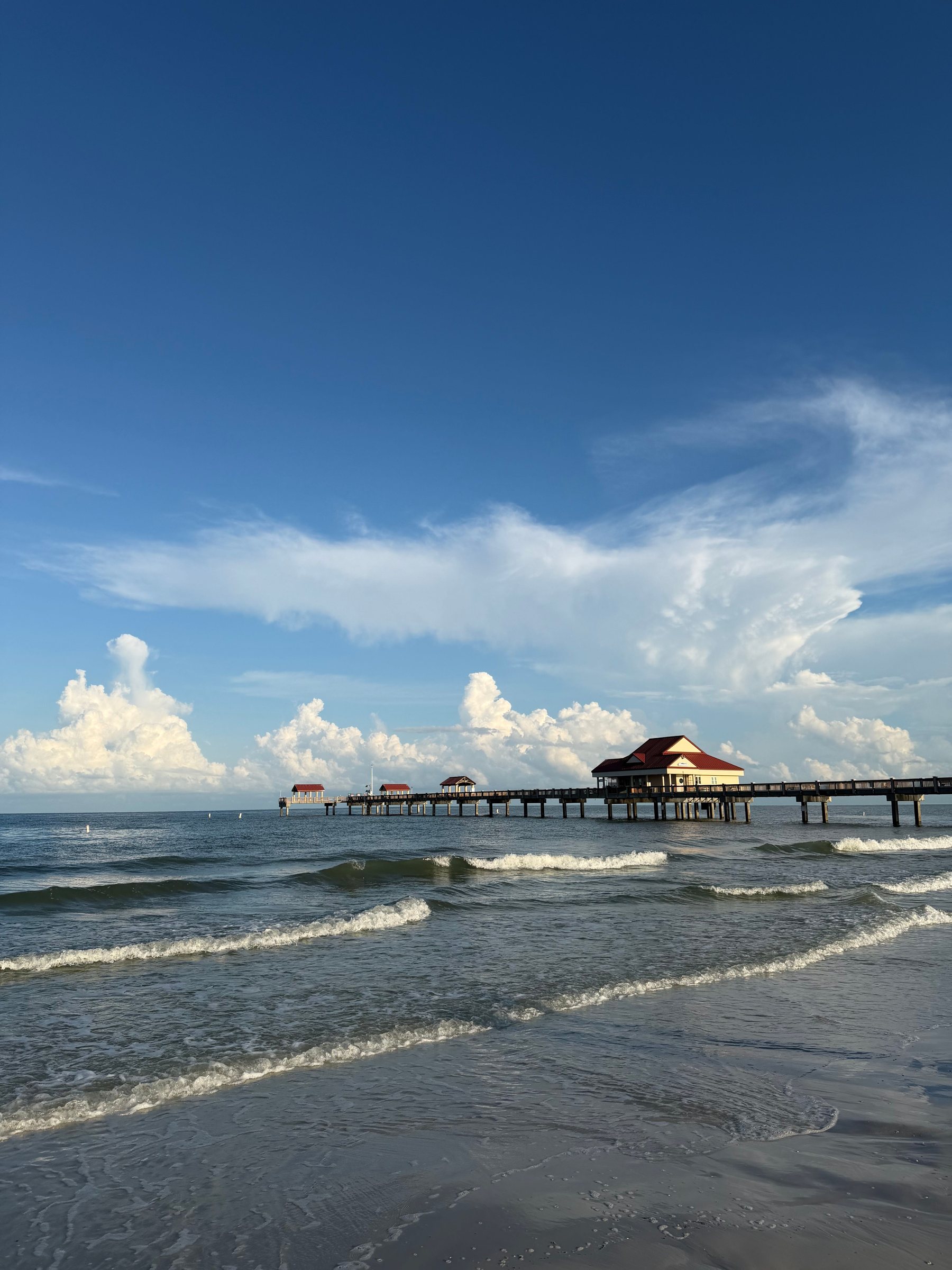
Gulf of Mexico
The sand here is fine and white, and almost all of it is quartz. Over millions of years, that quartz washed out of the Appalachian Mountains and down to this beach. On hot afternoons the sand stays cool under your feet, and it squeaks when you walk. Visit Florida describes a look into the water as a look through glass, and that clarity is what explains the Clearwater name. Because the shoreline slopes gently, shallow water reaches a long way out. The annual mean temperature for Clearwater Beach is around 75 degrees Fahrenheit.
Beach Walk
Just south of Pier 60, the Beach Walk project came to completion in July 2008. The promenade is winding and landscaped. Inline skaters, walkers, and cyclists all use Beach Walk. From the promenade, open views take in white sand plus the Gulf.
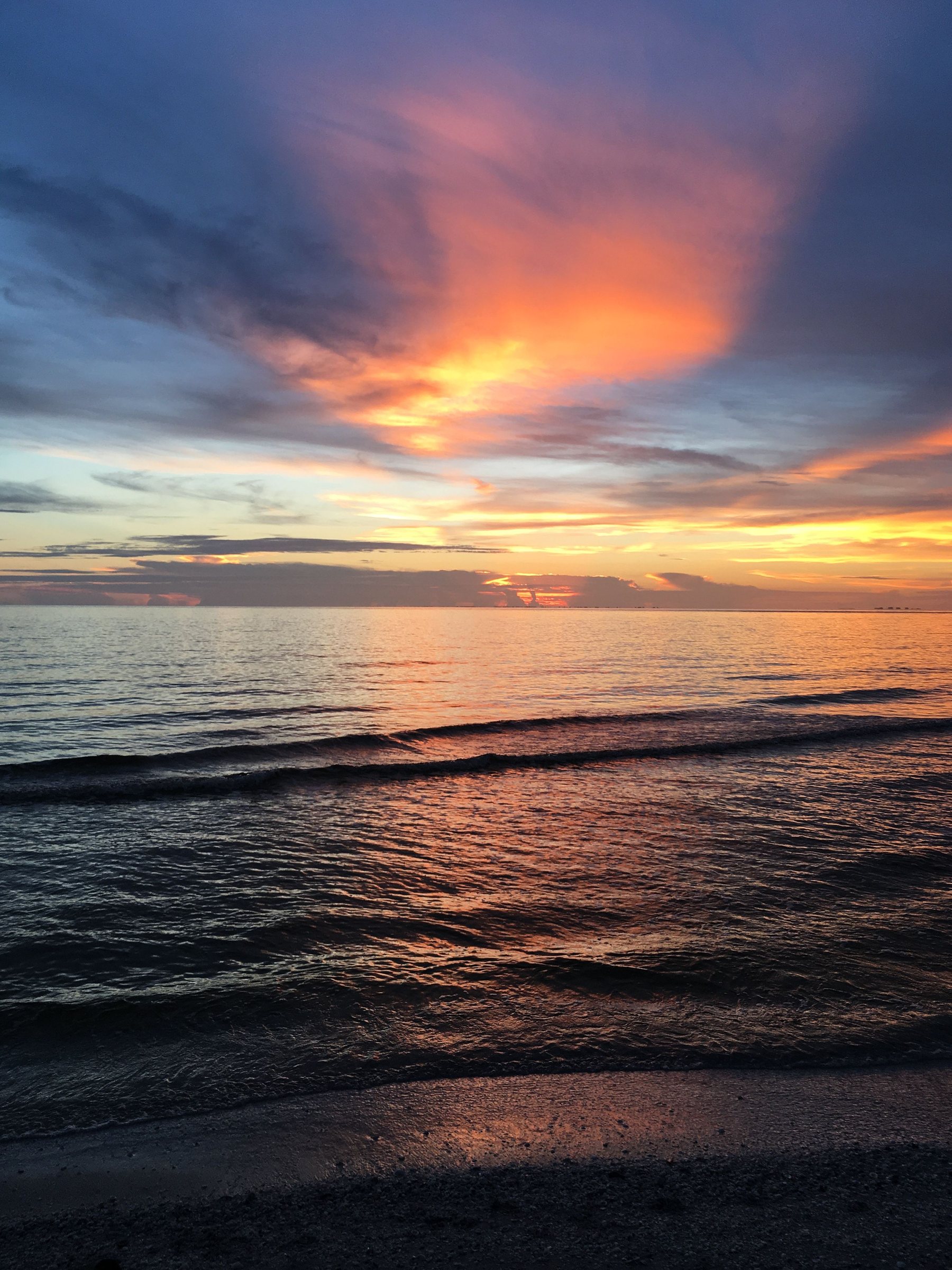
Clearwater Beach
Wild Atlantic bottlenose dolphins keep a resident population in waters offshore of the beach. The nesting season on this beach runs May 1 through October 31. During those months the beach is a sea turtle nesting ground, mostly loggerheads.
Hurricane Pass
On October 25, 1921, a hurricane split Hog Island into two pieces. That split is what created Hurricane Pass.
Pier 60
The pier faces due west, and nothing stands in front of it, which makes Pier 60 a natural sunset viewpoint. About 45 minutes before sunset, golden hour arrives. The light is better at golden hour than in the instant the sun touches water.
Stories, places and events, edited by LIVIN.in.