
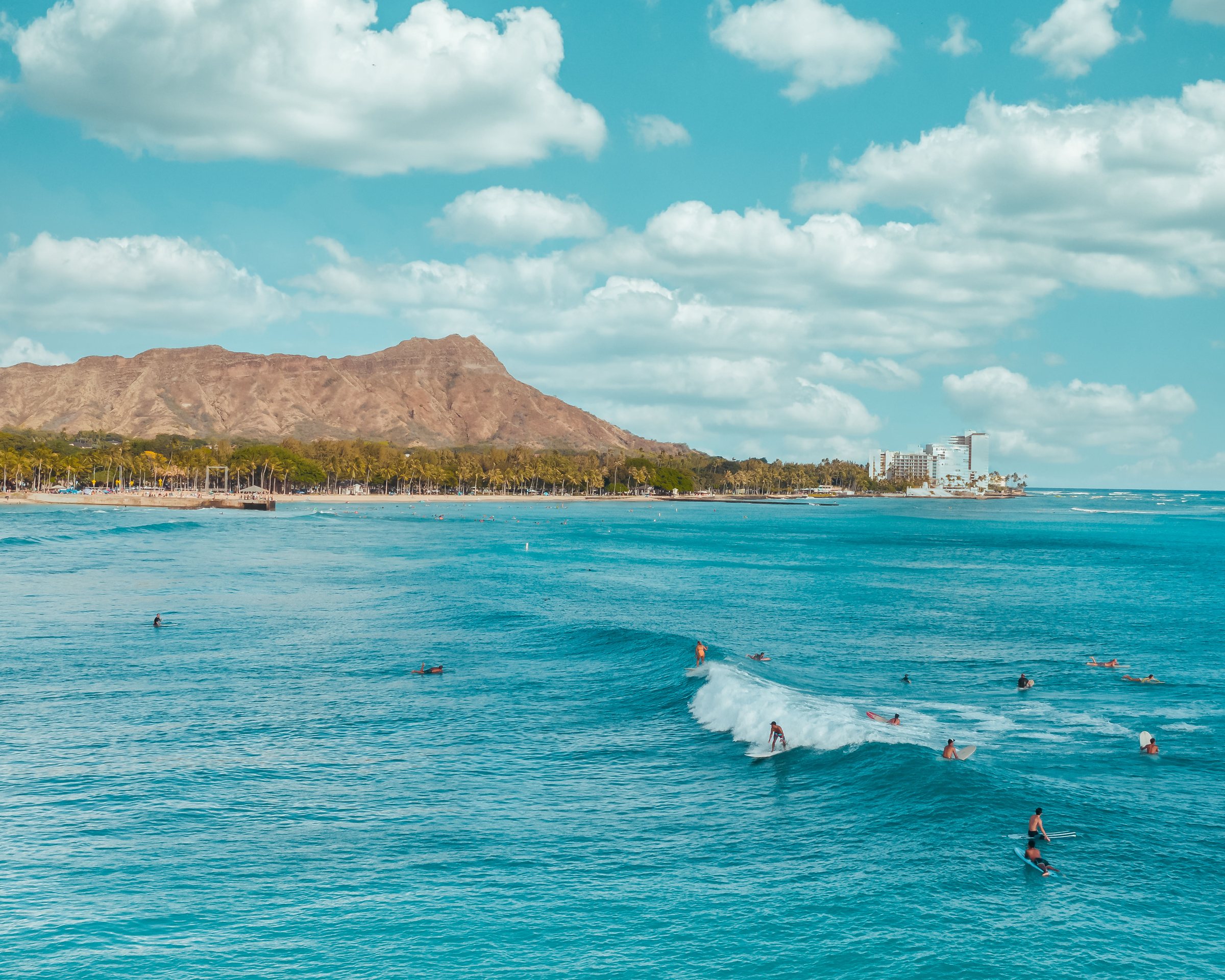
At Honolulu International Airport, the normal daily high for January is 80.5 degrees and the normal low is 66.8, according to NOAA's 1991 to 2020 U.S. Climate Normals. Waikiki, the Honolulu neighborhood on the south shore of Oahu, was the first capital of the Kingdom of Hawaii from 1795 to 1796. In the 1800s, the area was a retreat for Hawaiian royalty, who enjoyed surfing there on early forms of longboards.
Here is how we built the list. Each place had to have a January normal daily high of at least 70 degrees Fahrenheit in NOAA's 1991 to 2020 normals, measured at the city's main NOAA station or, where the city has none with temperature normals, the nearest NOAA normals station with temperature data. All six places passed that test. We rank them by January normal high, warmest first.
Honolulu, Hawaii
Honolulu leads the list with a January normal high of 80.5 degrees at the airport station. Waikiki Beach is one of six beaches in the district. Public places in Waikiki include Kapiolani Park, Fort DeRussy and Kuhio Beach Park. Diamond Head is a volcanic tuff cone known to Hawaiians as Leahi, a name most likely tied to the ridgeline's resemblance to a tuna's dorsal fin. British sailors named it in the 19th century for the calcite crystals on the adjacent beach. Diamond Head is estimated to be about 400,000 to 500,000 years old.
Boca Raton, Florida
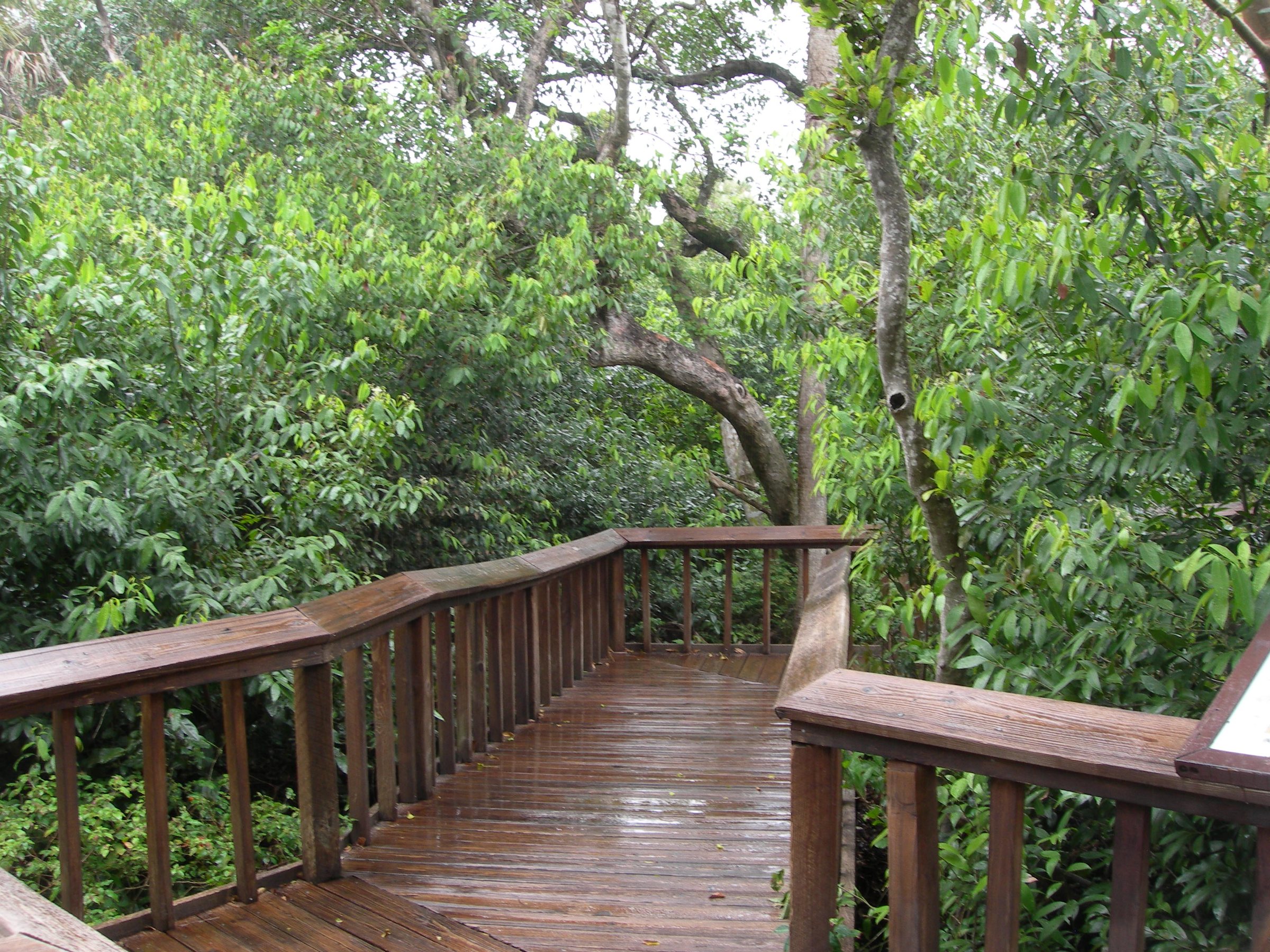
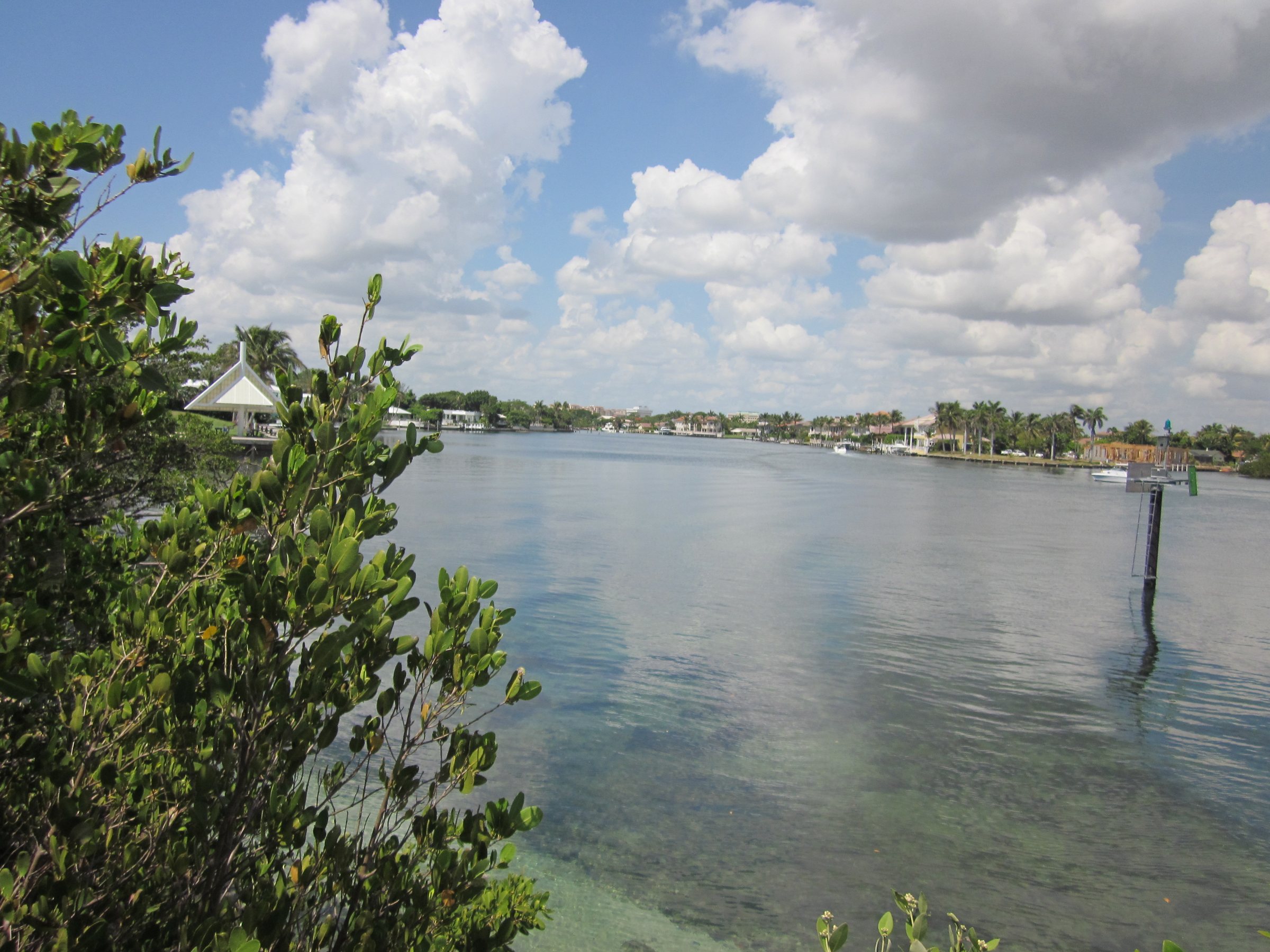
Boca Raton's own NOAA cooperative station has no 1991 to 2020 monthly temperature normals. The closest station that does is Pompano Beach Airpark, directly south along the same longitude, where the January normal high is 76.3 degrees. In Boca Raton, the Gumbo Limbo Nature Center sits on twenty acres of protected barrier island at 1801 N. Ocean Blvd., with an indoor museum, outdoor aquariums, a boardwalk trail through the adjacent woods and a butterfly garden. The center takes its name from the gumbo limbo tree, which is abundant in the park, and its events include observations of sea turtles during their nesting season. The center is on land that is part of Red Reef Park. Red Reef Park's snorkel trail includes a jetty extending from the beach and 20 artificial reefs just offshore.
Miami, Florida
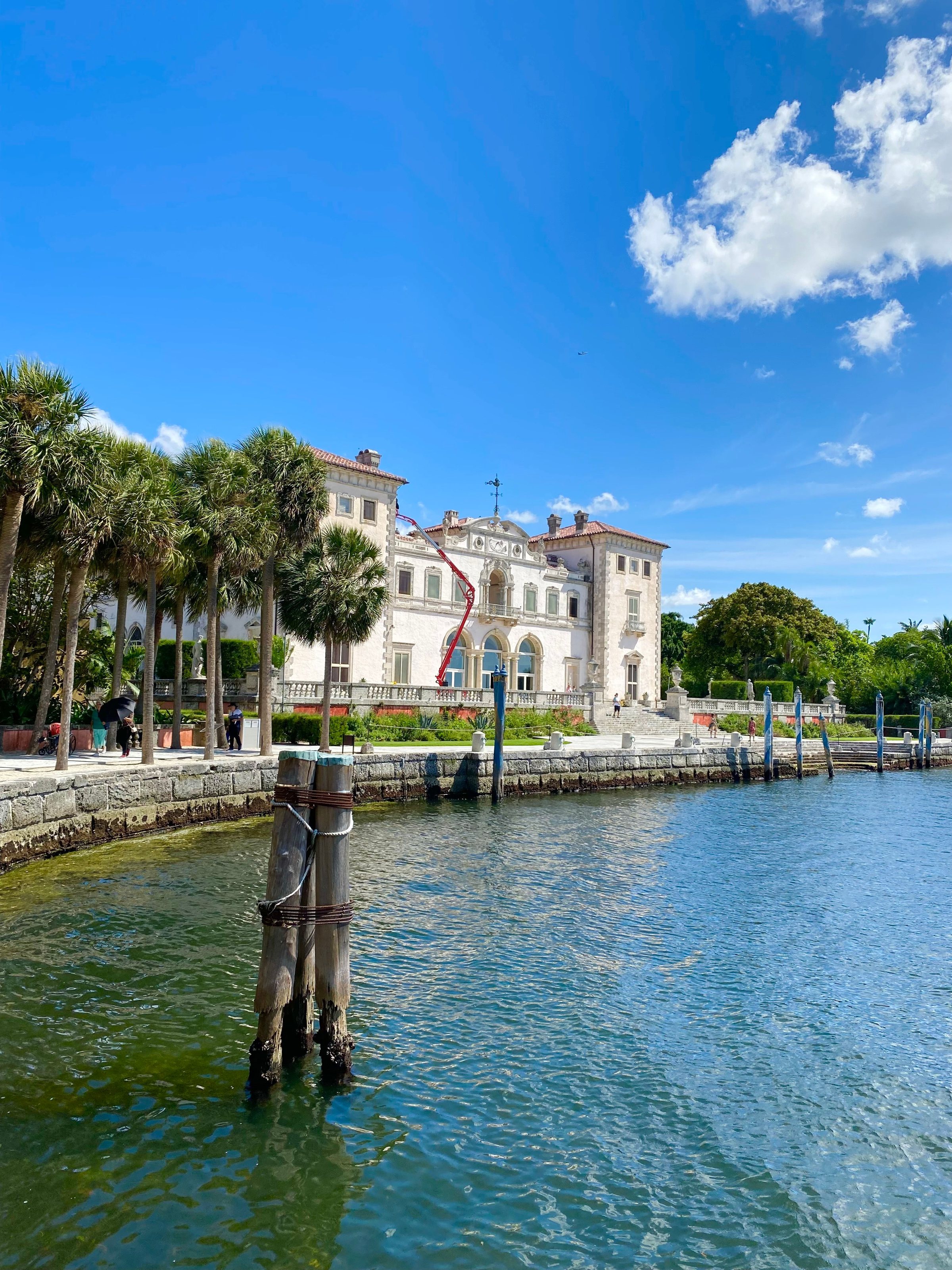
At Miami International Airport, the January normal high is 76.2 degrees and the normal low is 61.0. Vizcaya Museum and Gardens, the former villa and estate of businessman James Deering on Biscayne Bay in the Coconut Grove neighborhood, includes extensive Italian Renaissance gardens, a native woodland landscape and a historic village outbuildings compound. F. Burrall Hoffman was the architect, Paul Chalfin was the design director and Diego Suarez was the landscape architect. Miami-Dade County owns the property, which is open to the public, and the Vizcaya Station of the Miami Metrorail serves it.
Key West, Florida
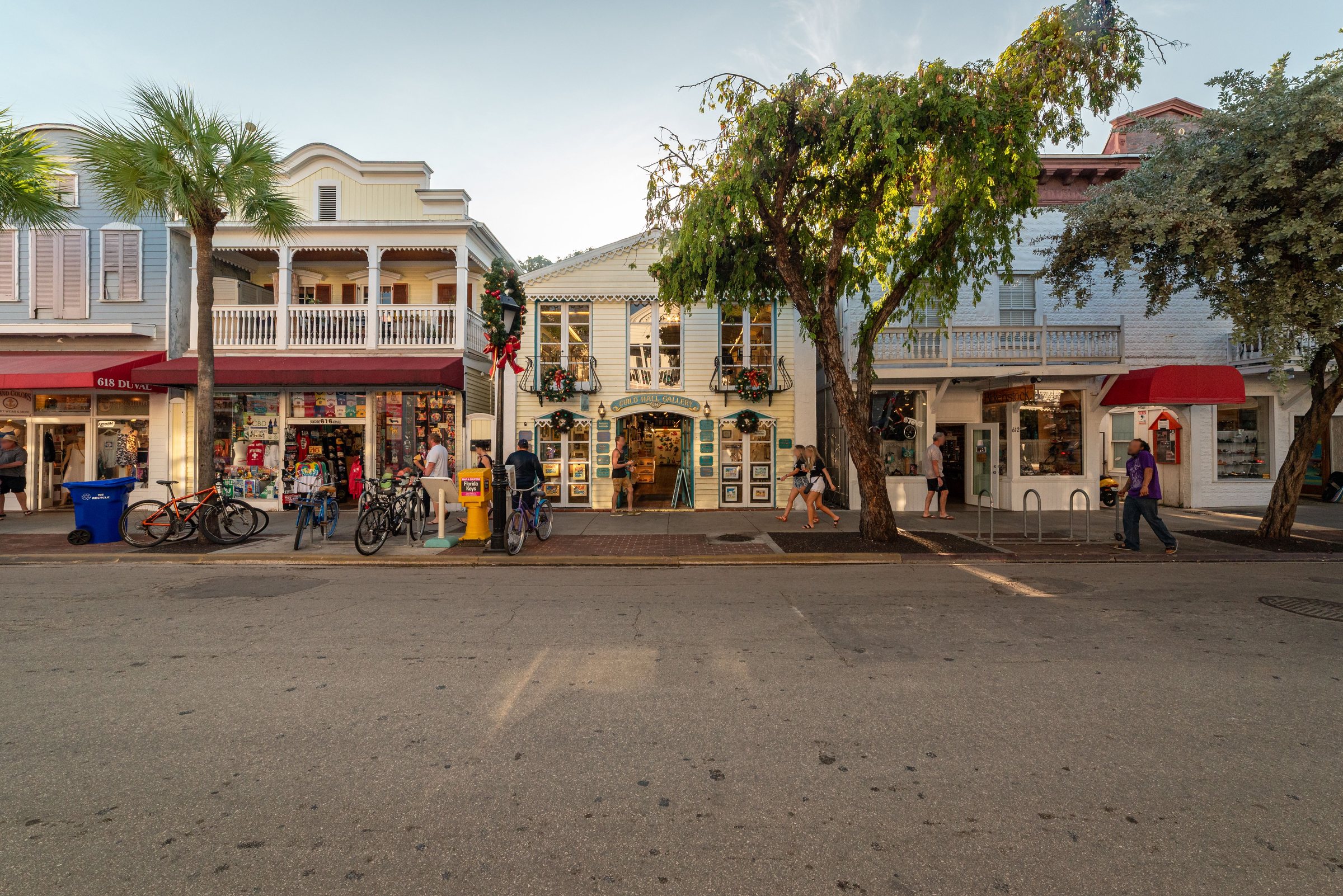
At Key West International Airport, the January normal high is 75.8 degrees and the normal low is 65.5. Key West is the southernmost city in the contiguous United States, about 130 miles southwest of Miami and roughly 95 miles north of Cuba, and it is the southern terminus of U.S. Route 1. The island is about 4 miles long and 1 mile wide, and its main commercial corridor is Duval Street. Just west of the northern end of Duval, Mallory Square hosts the Sunset Celebration, with arts and crafts exhibitors, street performers and food carts. It begins two hours before sunset, every day of the year.
Naples, Florida
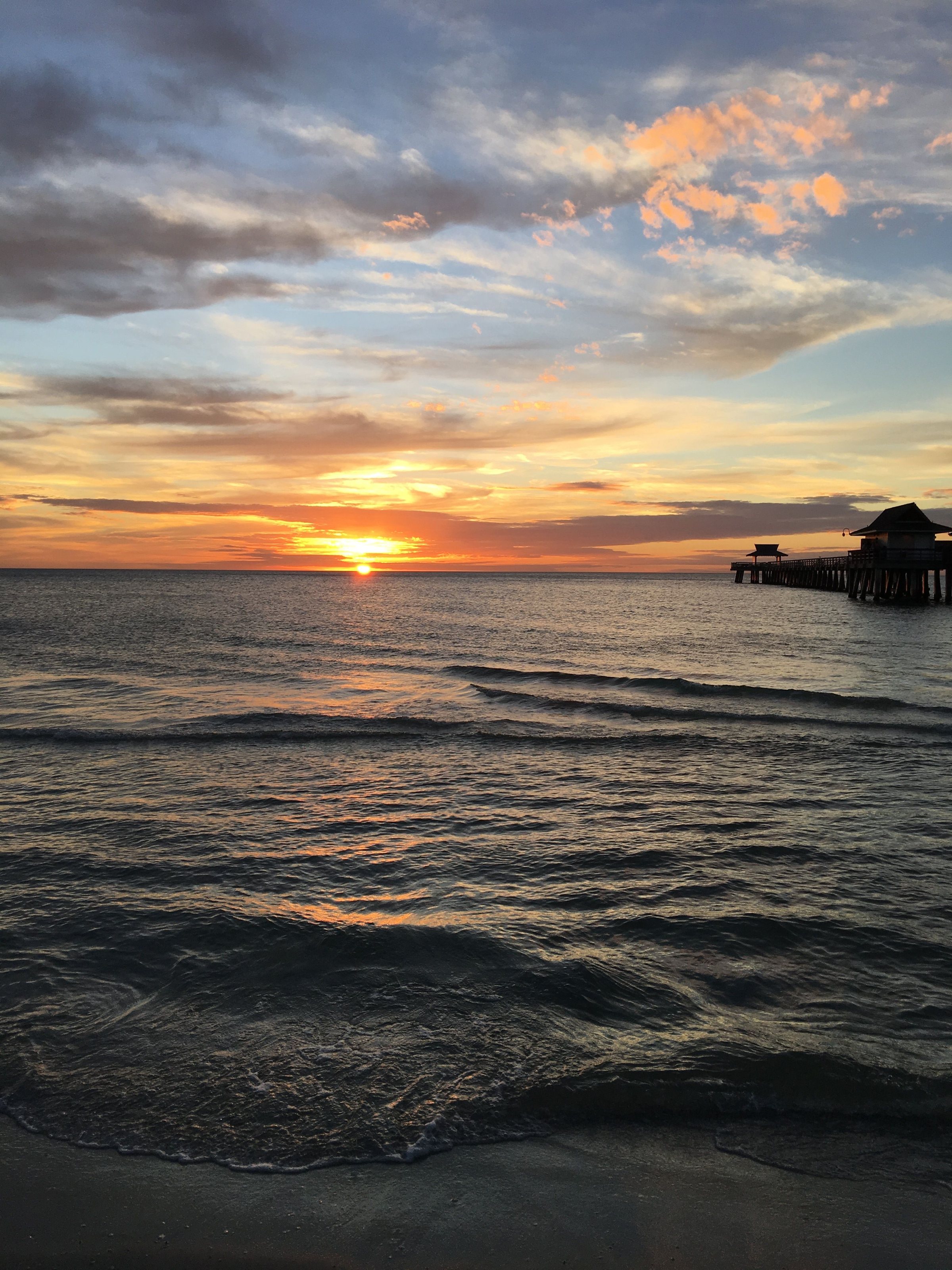
At Naples Municipal Airport, the January normal high is 74.8 degrees and the normal low is 55.9. The historic Naples Pier sits on the Gulf of Mexico at the west end of 12th Avenue South, and it is closed for the Naples Pier Rebuild Project, so check its status first. Lowdermilk Park, a city beachfront park, has sand volleyball courts and ADA beach access mats. Lowdermilk Park also has a children's playground, picnic tables and two gazebos for rent.
Palm Springs, California
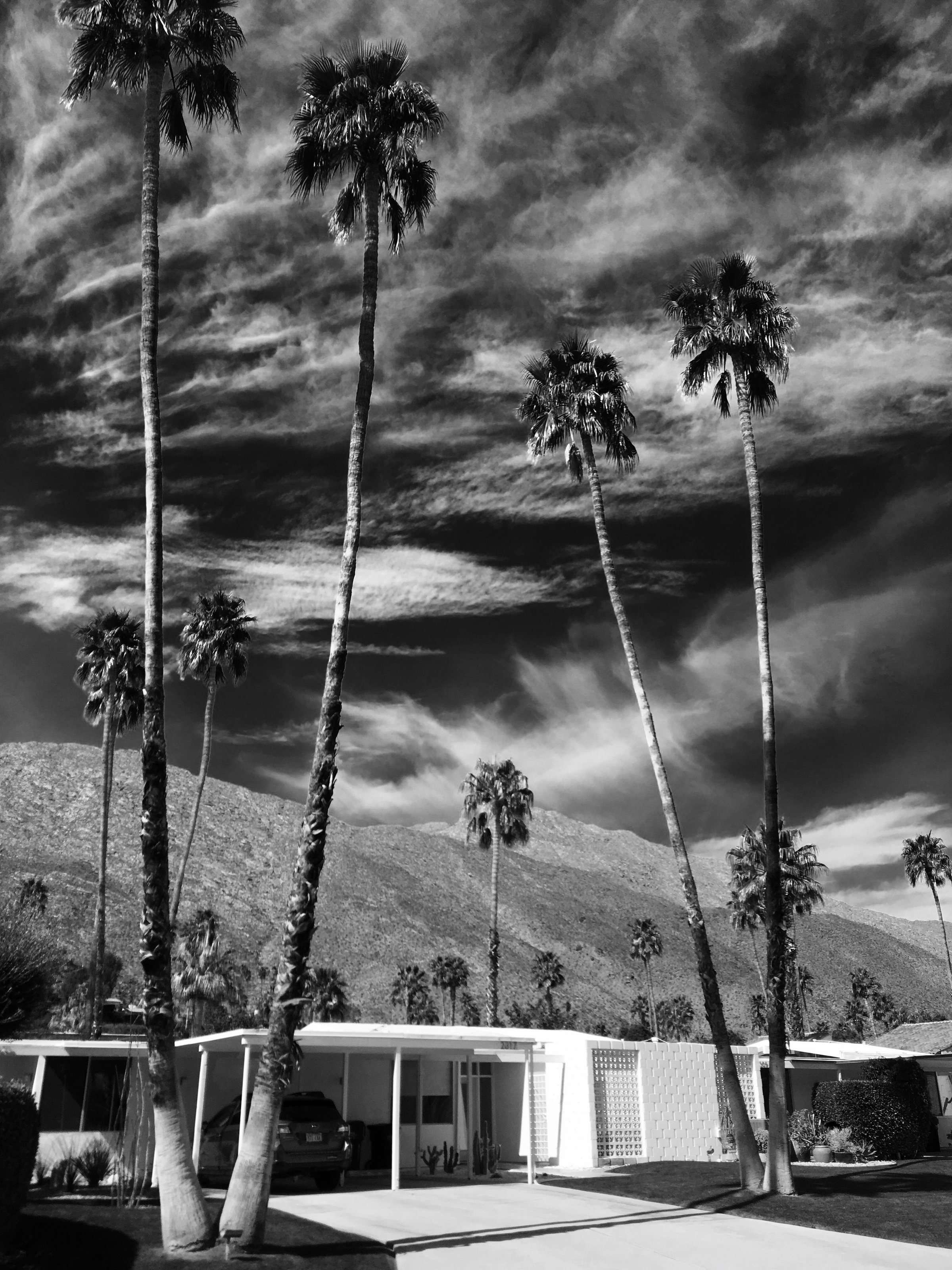
The Palm Springs station has a January normal high of 70.6 degrees and a normal low of 47.2. The city is noted for its mid-century modern architecture, and its population triples between November and March because it is a winter snowbird destination. The Palm Springs Aerial Tramway opened in September 1963. Its roughly 10-minute ride climbs from the Valley Station at 2,643 feet to the Mountain Station at 8,516 feet. Riders start in the Colorado Desert and arrive in the alpine wilderness of Long Valley and Mount San Jacinto State Park, and the floor of each car rotates constantly. The rotating cars were added in 2000. On a clear day, the view from the top can stretch northward for more than 200 miles. The air at the top can be as much as 40 degrees cooler than in the desert, so pack a jacket.
Before you book, check the current forecast for your travel dates. Where You LIVE.