

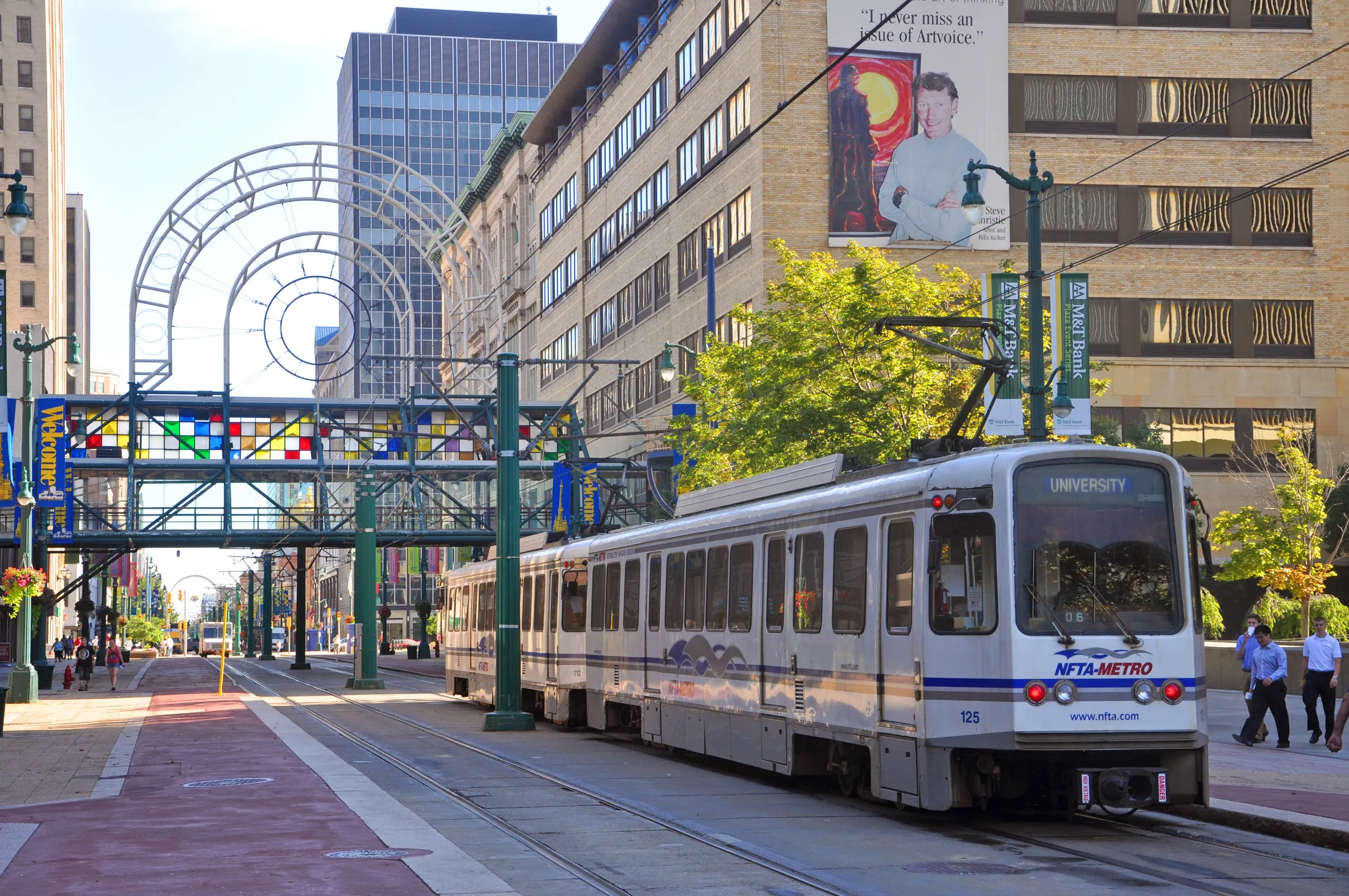
Nobody put Buffalo on a rental heat map. That was the point. The NFTA-Metro rail slides under the stained-glass pedestrian bridges on Main Street and the city doesn't perform for you, it just keeps moving, indifferent to whether you approve. That's exactly why people from outside western New York started pulling up rental listings there, then lingering. Not to scout an investment property. To figure out, with twelve months of actual street-level evidence, whether they could live here. Whether they wanted to.
That instinct, lease first, buy later, has become the defining relocation logic of this cycle. According to Zillow data, Buffalo was among the cities that saw the fastest rise in out-of-town rental search share entering 2026, alongside Houston, New Orleans, Dallas, and Chicago. The pattern cuts across price points, climates, and cultural identities. What those cities share isn't a lifestyle brand. It's an audience of people who have already been burned once by moving on the basis of a long weekend and a wishful spreadsheet.
Look at where the outsiders are already crowding the listing pages. In Raleigh, out-of-town users account for 59% of rental search traffic, meaning locals are outnumbered on their own city's pages. Hartford sits at 55%. New Orleans at 54%. Salt Lake City at 52%. Nashville at 52%. These are not curiosity clicks. People scrolling rental listings in a city they don't yet live in are running the math on a move. The lease is the instrument of that math.
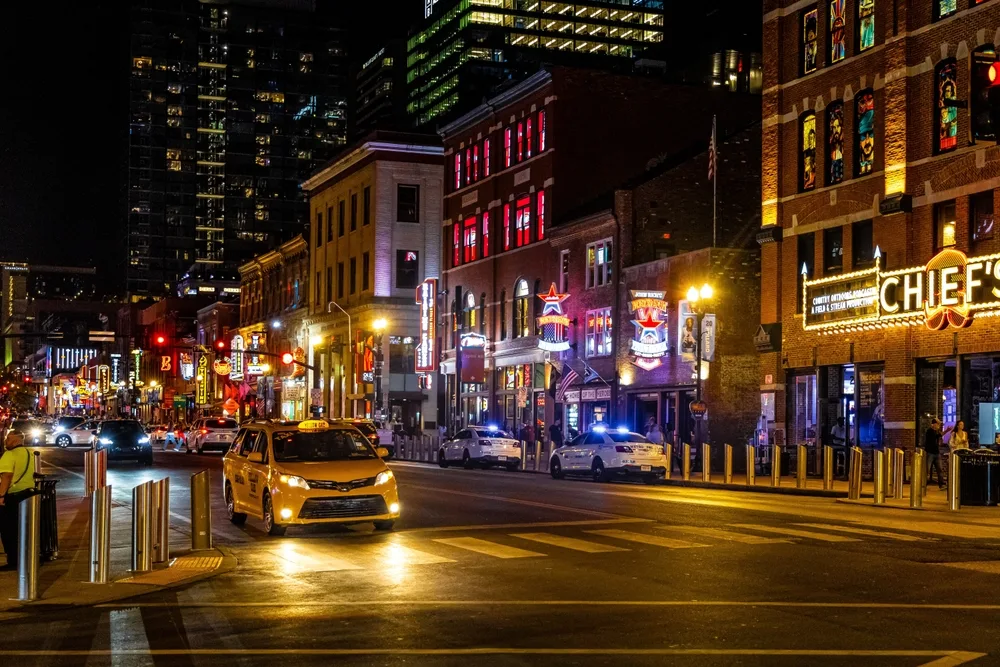
Nashville is the clearest case study in why this strategy matters. The city sold itself hard for a decade and a lot of people bought, literally, before they understood what they were buying into. Summer heat that does not relent. Traffic that turns a four-mile commute into forty minutes. A tourism corridor on Lower Broadway that can make certain neighborhoods feel like a theme park rather than a place to raise a family or build a quiet life. None of that shows up in the listing photos. It shows up in month three of your lease, when the novelty has worn off and you're deciding whether to stay or go. At that point, you're out twelve months of rent. You are not out a mortgage, moving costs in both directions, closing fees, and the emotional wreckage of a city that didn't fit.

Raleigh at 59% is almost surreal when you sit with it. The majority of people looking at apartments in Raleigh right now are not Raleigh residents. They are people in other states, other time zones, running quiet reconnaissance from their existing lives. The Research Triangle's reputation has traveled far enough that the city no longer needs to market itself, but that reputation gap, between what people imagine and what Tuesday morning in a specific neighborhood actually feels like, is exactly the space a rental year is designed to close.
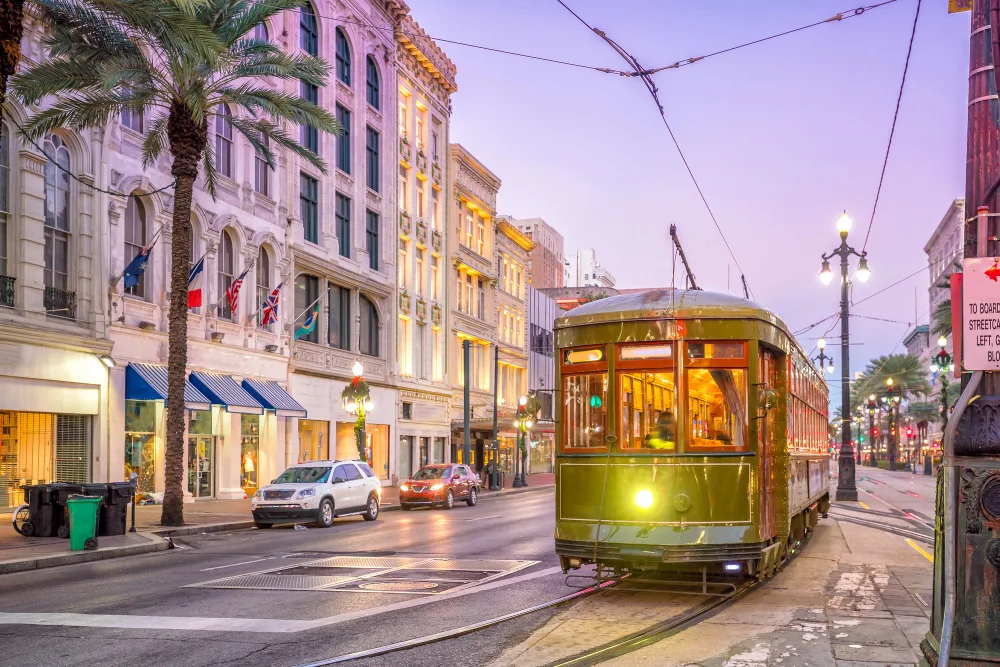
New Orleans makes the case for rent-first most urgently. The city is magnetic in ways that are genuinely hard to overstate: the amber glow of a streetcar moving down Canal Street at dusk, the way the architecture bends toward you on narrow streets in the Marigny, the specific smell of the air after rain. But New Orleans also carries structural facts that a long weekend cannot surface. Flood zone designations vary block by block. Homeowner's insurance in Louisiana has become one of the most complicated and expensive markets in the country. The city's infrastructure demands a specific kind of patience. Renters absorb none of that risk while they learn. Buyers absorb all of it from day one.
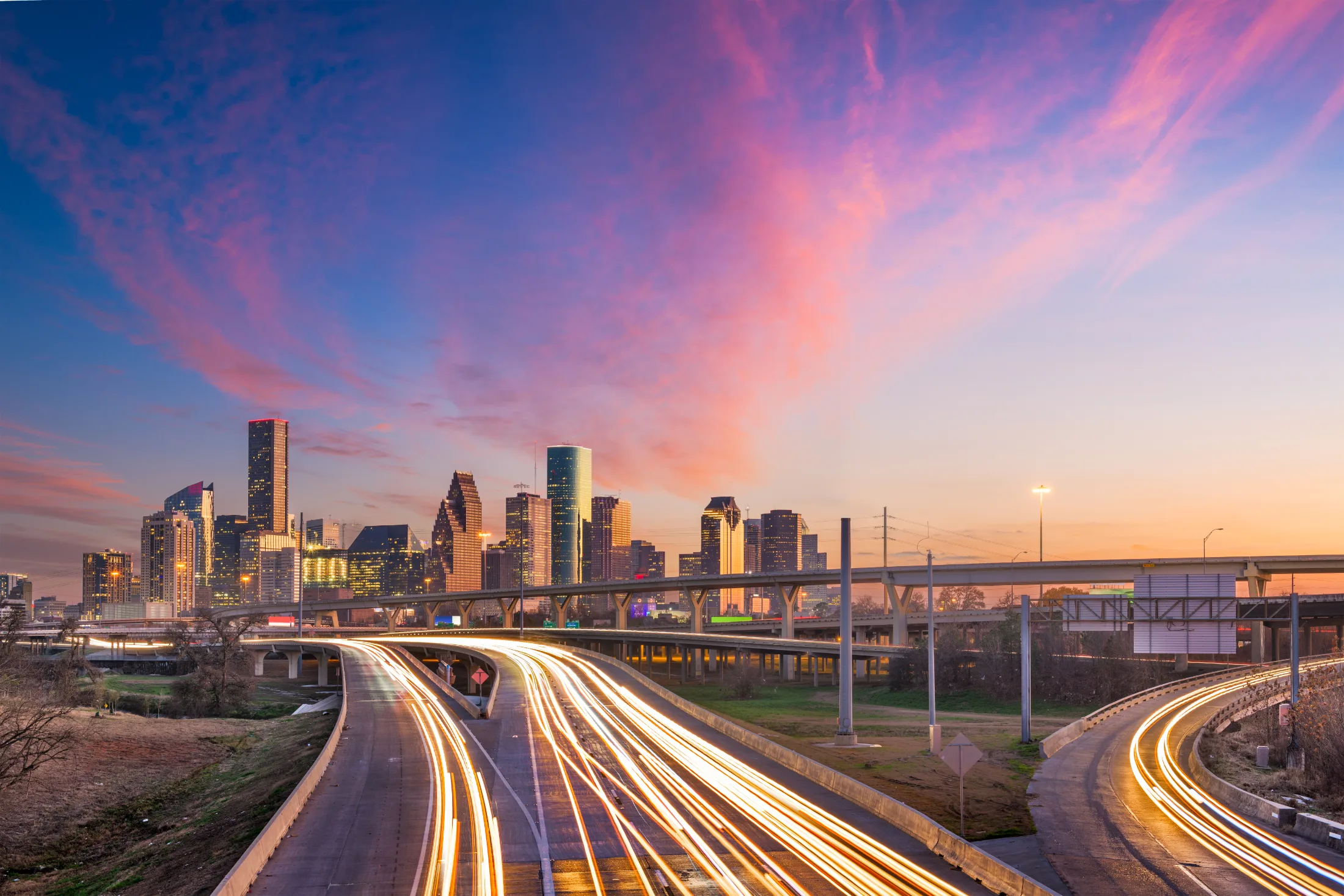
Houston presents a different set of variables. The city is genuinely enormous, and its geography resists the kind of quick-read that works in denser markets. Out-of-town rental search there spiked among the fastest-rising in the country, according to Zillow. People are not moving to Houston; they are moving to a neighborhood within Houston, and finding the right one requires months, not days. The lease buys you time to learn which part of the city actually fits your commute, your social radius, your tolerance for the distances between the things you care about.
Now for the friction, because it's real. Lease-up pricing in high-demand markets can run above the eventual cost of owning in the same neighborhood, depending on timing. Moving twice, once into the rental, once into a purchased home, costs money and energy. A year spent renting is a year not building equity, and in a market where values are moving, that opportunity cost is not zero. The honest accounting is that rent-first costs something. The question is whether it costs more than buying wrong, which in most cases it does not, but you have to run your own numbers rather than a general theory.
The practical version of a twelve-month city test starts before you open a single listing. Spend two or three weekday mornings, not weekend afternoons, walking the neighborhoods you think you want. Watch what the streets do at 7 a.m. and again at 6 p.m. Notice where the dry cleaners and hardware stores are, because those businesses serve residents rather than visitors, and their presence tells you something about the stability of a block. Eat at the lunch counters, not the dinner reservations, lunch is where the locals actually are. Ask your building manager which blocks flood, which intersections get loud on weekends, where the long-term residents have been going since the new places opened. That intelligence doesn't exist in a listing. It only exists inside the year.
This is also where local editorial does what an algorithm can't. LIVIN's city guides and neighborhood stories are built for the reader who is deciding, not the one who has already decided. If you're running a rental year somewhere right now, or about to start one, you already know the feeling we're describing. Cities that earn you over twelve months are the ones worth staying in. At month ten, the mortgage isn't a gamble. It's a confirmation.