
The prompt LIVI runs is not a mood board. It is a sorting question. When someone is trying to stay somewhere, not visit, stay, which kind of town is doing the keeping? Four kinds keep showing up in the work: mountain. Coast. Planned. College.
This is that prompt, written as a piece, against the live map. We are not going to dress the map up. Three of the four types already have a live city. One does not.
Mountain, Santa Fe
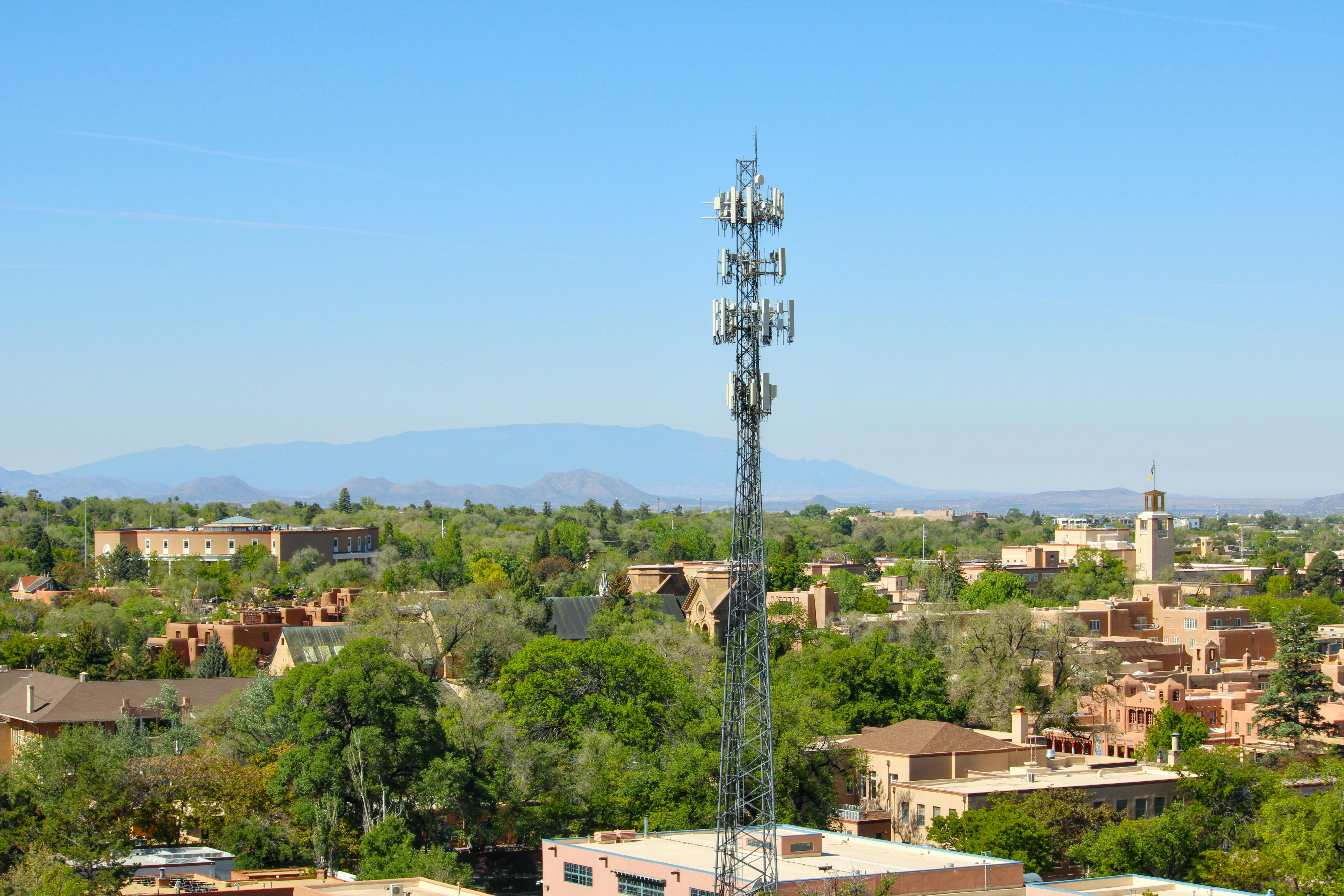
Santa Fe is the mountain city on this network. Not “mountain-adjacent.” The Sangre de Cristo range is the weather, the light, the reason a morning and an August afternoon can feel like two different towns. Issue Nº 4 has already filed that: the altitude and the light, and where the light lands differently.
A mountain town keeps people by refusing to be generic. You do not move there for a version of somewhere else. You move there because the landscape will not negotiate. Anthony Dazet’s seat line is the right scale for that: Santa Fe is on the founding map. Read the issue.
Planned, The Woodlands
Planned is the type a lot of magazines mock until they live in one that works. The Woodlands is the live proof on this network. It was drawn first, villages, pines, a waterway, a downtown that did not grow up by accident. Issue Nº 2 keeps making the same argument from different streets: this is what we built, and why it still works, East Shore as an intentional village, a medical destination that a pine-forest plan was never supposed to become and did.
Rick Raanes holds the seat. Texas exhales here. Planned, in this case, is not sterile. It is a Tuesday that still has shade. The Woodlands.
College, Chico
College is the type that looks temporary from the highway. Chico State is real. The mistake is thinking the town is only the campus. Sierra Haskins edits a city that has been feeding families longer than any current freshman has been alive, Northern Star Mills, a century; Chico Paper Company, forty-six years. The stay test in a college town is what is still open in July.
Issue Nº 3 is already that test. One Mile on a hot afternoon. A Saturday market. A bookstore. A bakery that means “local” without putting the word on a sandwich board. Chico is live, and it is not waiting for September.
Coast, not live yet
Coast is the fourth type in the prompt. It is also the honest gap.
None of the four live Market Mayor cities is a coast city. Santa Fe is high desert. The Woodlands is pine forest north of Houston. Chico is the Sacramento Valley. St. Cloud, Florida, is lake country on East Lake Tohopekaliga, Osceola County, next to Orlando, not the Atlantic. Calling St. Cloud “coast” would make the prompt tidier and the magazine worse.
California and Florida are on the U.S. map. Coast towns exist in the database. They do not yet have a live Market Mayor publishing an issue the way these four do. When that seat is real, coast will have a city name. Until then, the prompt has a blank, and we are leaving it blank.
The prompt is a map, not a slogan
Mountain, planned, college: live. Coast: waiting on a real seat. St. Cloud is the fourth live city, and it belongs to a fifth kind the prompt did not name, the quieter lake town people use to get out of a louder metro. That is not a failure of the prompt. It is the prompt meeting the actual map.
St. Cloud still belongs in this piece. It is live. Yomari holds the seat. The issue is already talking about leaving the noise and finding people. It just does not satisfy the coast slot, and forcing it there would be a category error. Lake is not coast. Orlando-adjacent is not a shoreline. The prompt can survive a city that does not fit the four words.
LIVI will keep asking the four-type question. The answers we can stand behind are the ones with names, issues, and mayors. Santa Fe, The Woodlands, Chico, St. Cloud. Coast, when a coast city is actually live.