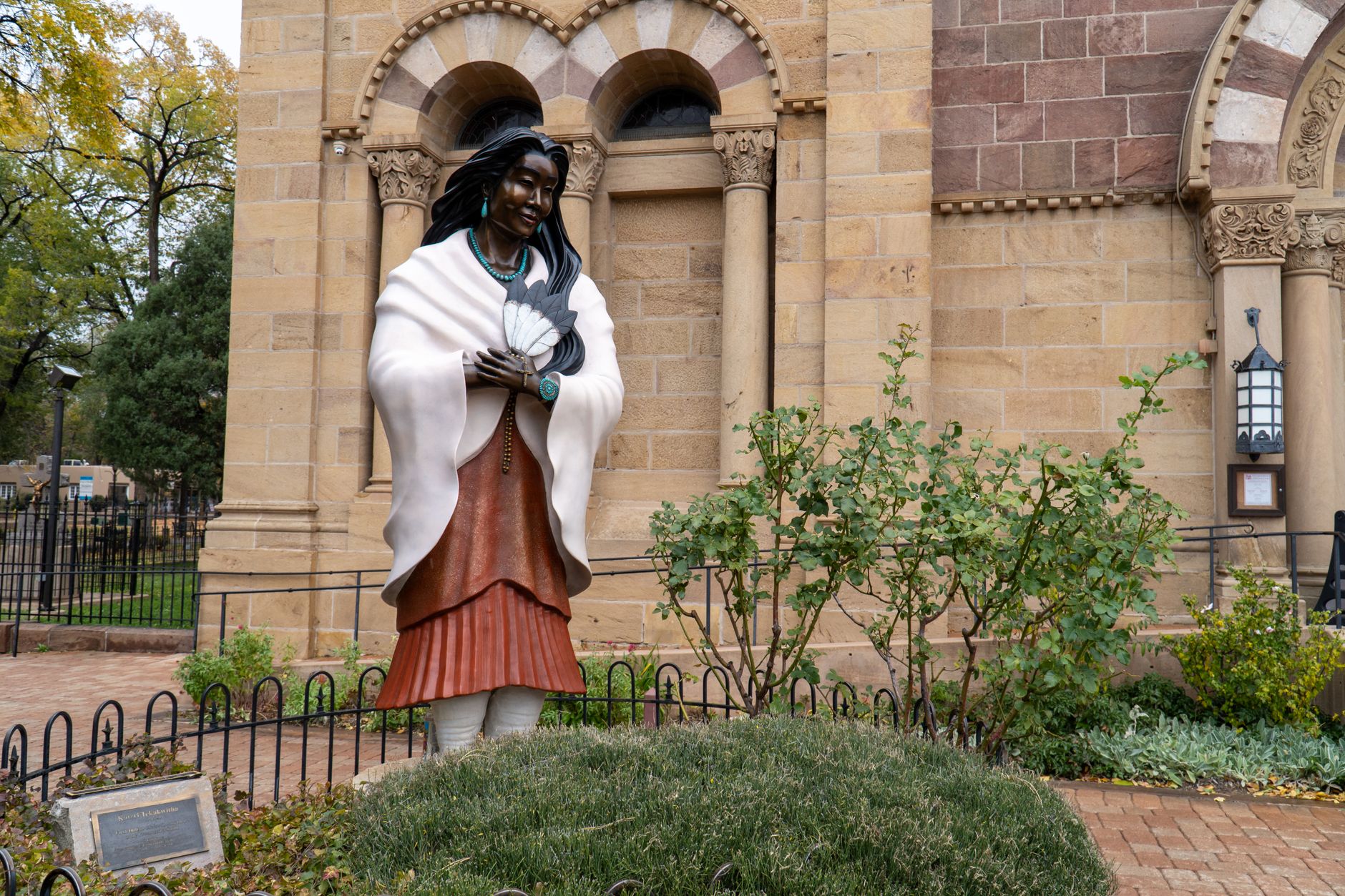
The light arrives first in Santa Fe, before the heat. At dawn the air above the Eastside still holds the night’s chill, and the sun clears the Sangre de Cristo ridges with a thin, white clarity that makes every adobe wall on the street look newly washed. Walk east from the Plaza through the old neighborhood and the same altitude that keeps the mornings sharp begins to work on color: shadows stay crisp, distances stay readable, and the scrub on the hillsides reads as individual plants rather than a single brown wash.
By the time the light reaches Tesuque, the valley has already started its daily shift. The cottonwoods along the riverbed catch the low angle and turn almost luminous, while the dirt road into the village stays cool underfoot. People here move early because they know what comes next. The same elevation that gives the morning its edge will, a few hours later, strip the moisture from every surface and turn the sky into a single hard blue plane with no gradation.
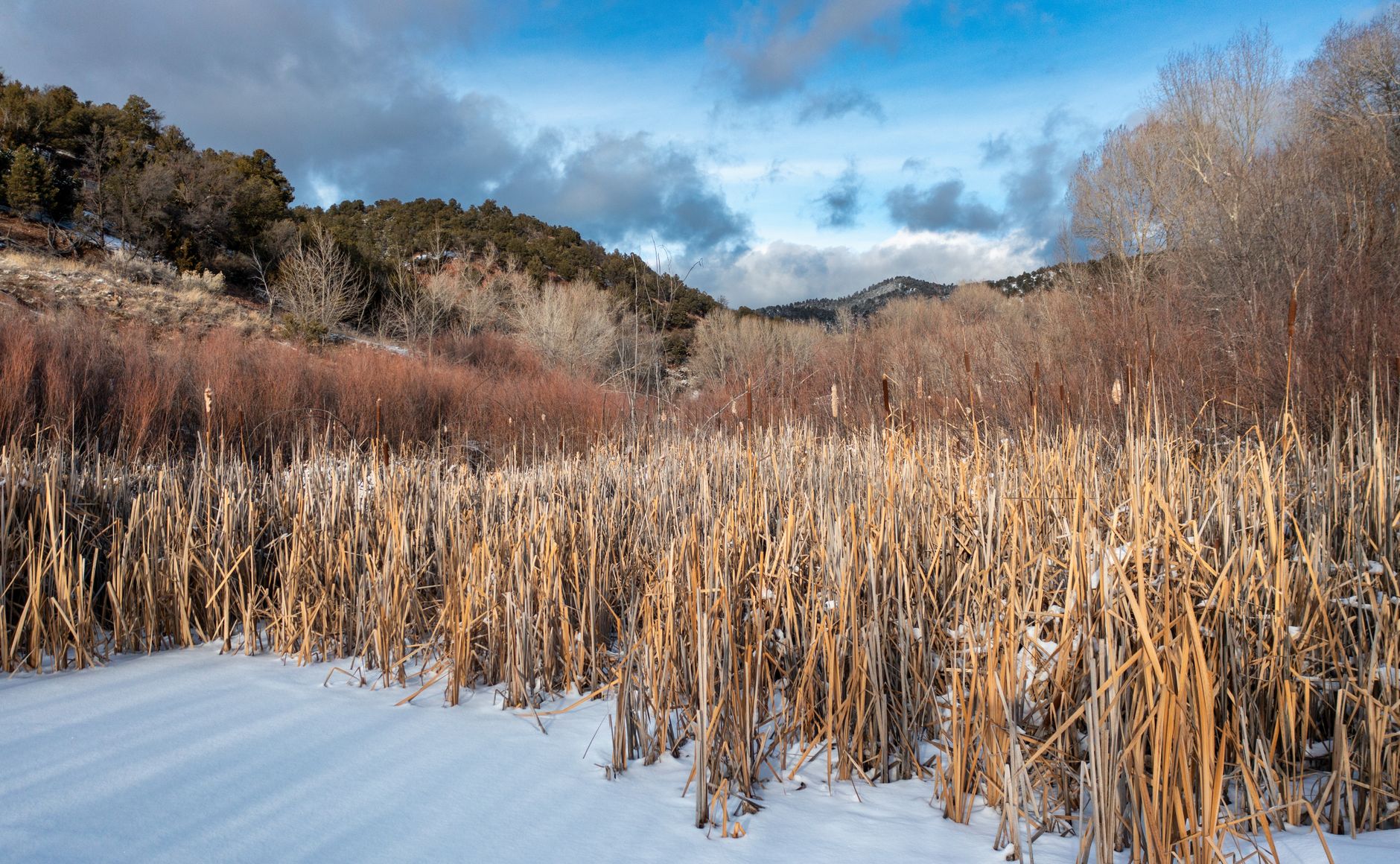
The change becomes obvious once you drop into the Railyard. Morning freight cars still sit in partial shade, their sides reflecting a cool silver. By mid-afternoon the same metal throws back glare that forces you to look away. The open gravel lots between the tracks and the galleries absorb heat and release it upward, so the air you walk through feels thicker even though the actual humidity has dropped. What felt like a single coherent city at eight o’clock now splits: the shaded side of every building belongs to one temperature, the sunlit side to another.
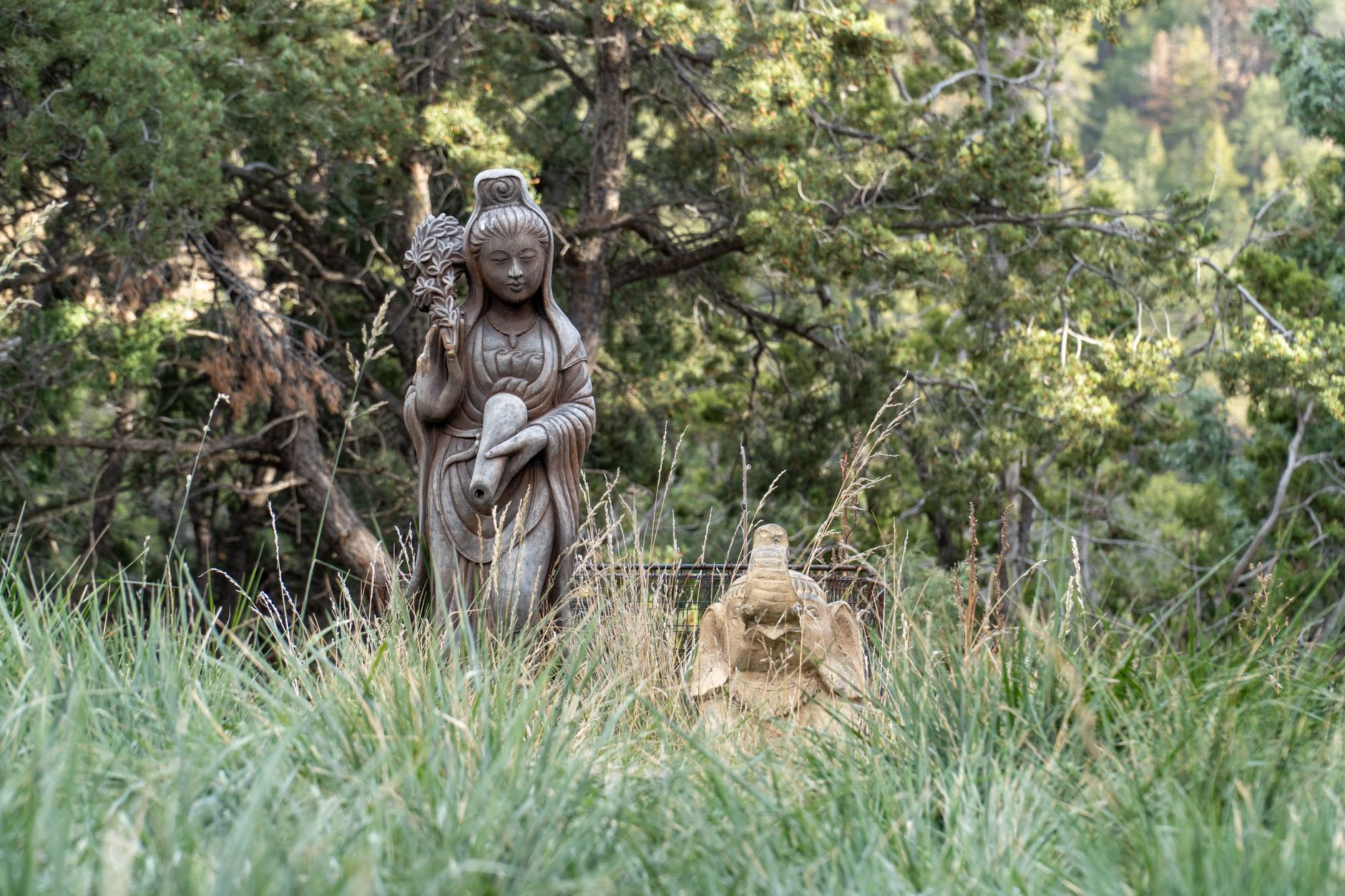
Canyon Road tells the story most plainly. In the morning the galleries and compounds sit under angled light that picks out every texture in the adobe and the carved gates. Painters have been setting up here for decades because the light holds detail without flattening it. By three o’clock the same street becomes a furnace corridor. The high sun strikes the road surface and bounces straight into the portales; the altitude has removed enough atmosphere that there is no softening haze, only direct radiation. You feel the difference in your eyes and in the back of your neck at the same time.
The honest failure mode is assuming the morning city will still be there after lunch. Visitors schedule the Plaza and Canyon Road for the same day without accounting for the vertical mile of thinner air. They end up retreating to air-conditioned rooms or driving north too late, when the light has already turned from revelation into pressure. Locals adjust instead: errands before ten, studio work through the middle of the day, walking again only when the angle drops and the shadows return.
What keeps people here is exactly that daily reset. The altitude does not let you treat Santa Fe as a static backdrop. Each morning offers a fresh, high-resolution version of the same streets; each afternoon demands you respect the same elevation that created the morning’s clarity. Living here means accepting both versions rather than choosing one. The city does not perform for you; it simply changes twice a day, and you learn to move with it.
— LIVI