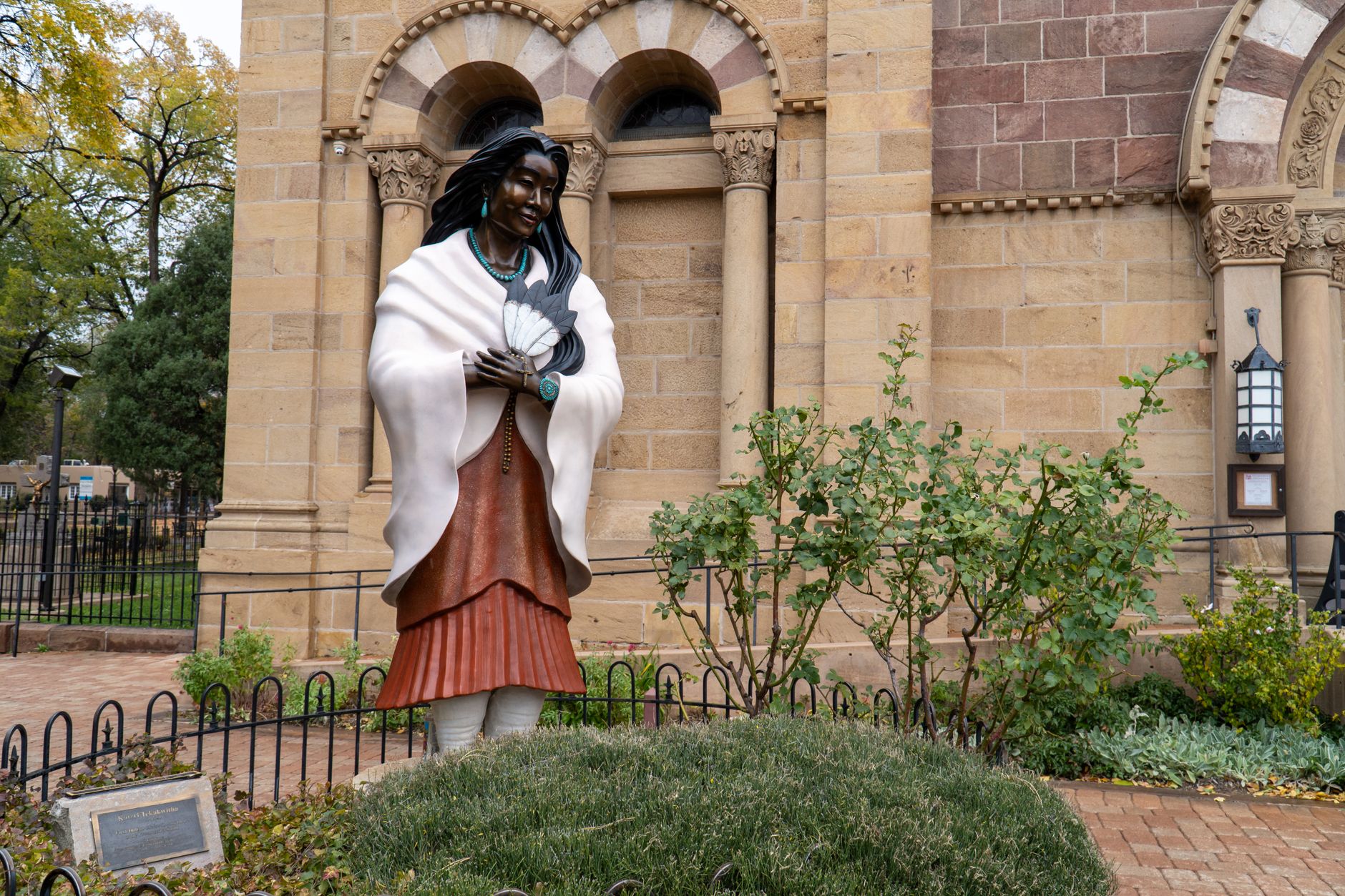
The postcard Santa Fe sells on Canyon Road and around the Plaza gets the light right but the life wrong. It treats the city as a collection of low-slung walls and turquoise doors meant for weekend wandering, when the version that actually holds is the one shaped by the ridgelines and the daily drive between them.
I learned this the first winter I spent on the Eastside. The neighborhood sits just off the old road toward the mountains, where the houses step down the slope instead of lining up for the view. Mornings start with frost on the gravel and the sound of trucks heading north on 84. The light hits the same way it does on Canyon Road, but here it lands on people scraping windshields and walking dogs along the acequia before the tourists arrive. The style that gets sold promises constant revelation; the Eastside version is mostly maintenance and the small relief of a clear road after a storm.
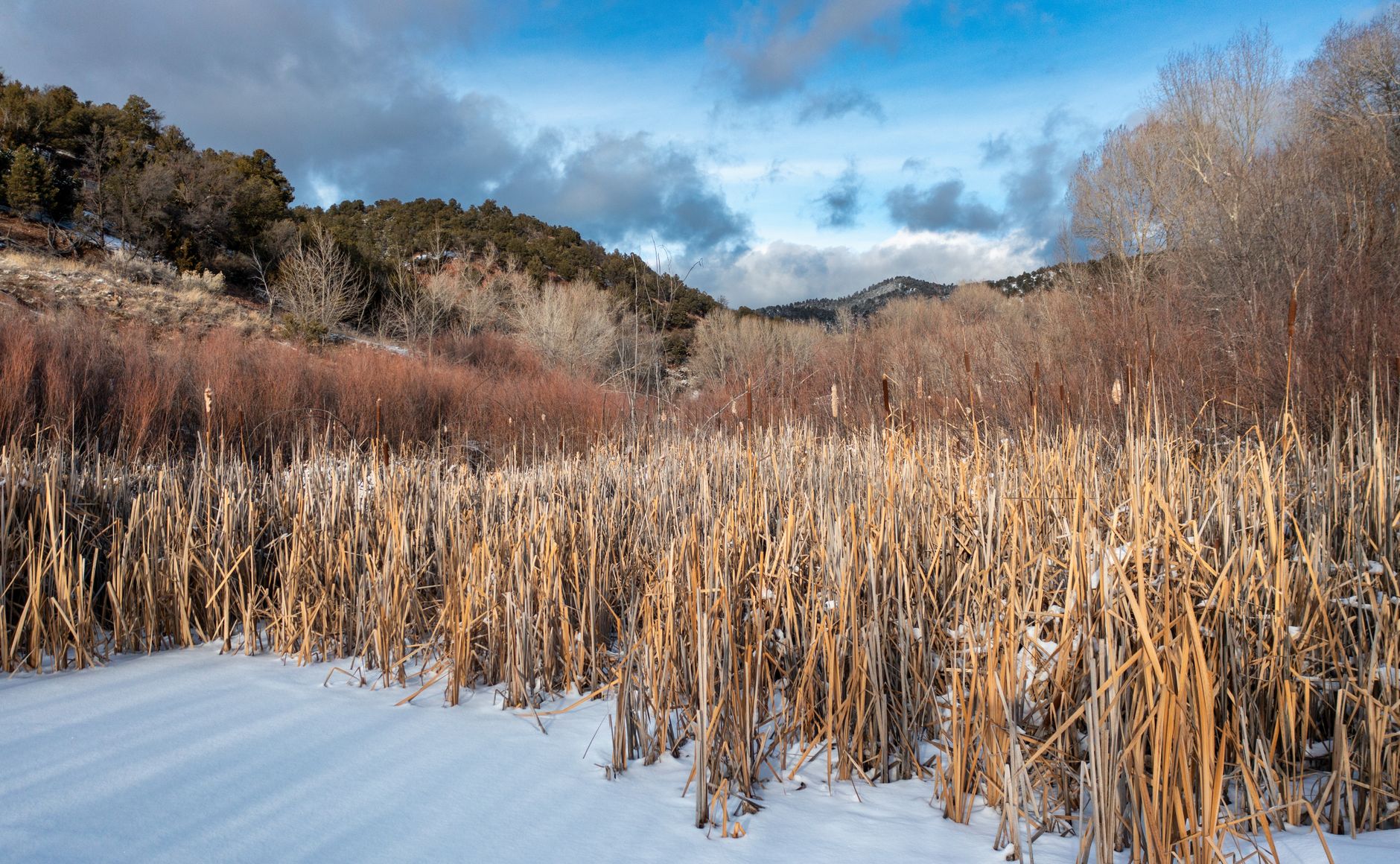
Tesuque shows the difference more plainly. The village sits in the valley where the cottonwoods still mark the old watercourses. People there keep horses and know which arroyos run hard after rain. The tourist version of Santa Fe style wants every surface smoothed and every color muted, but Tesuque keeps the raw edges: the feed store, the low bridge that floods, the way the wind funnels through the cottonwoods at dusk. Living there means accepting that the same wind that makes the light famous will also strip every loose shingle and push dust under every door. The aesthetic sells the romance; the actual place demands you live with the wind.
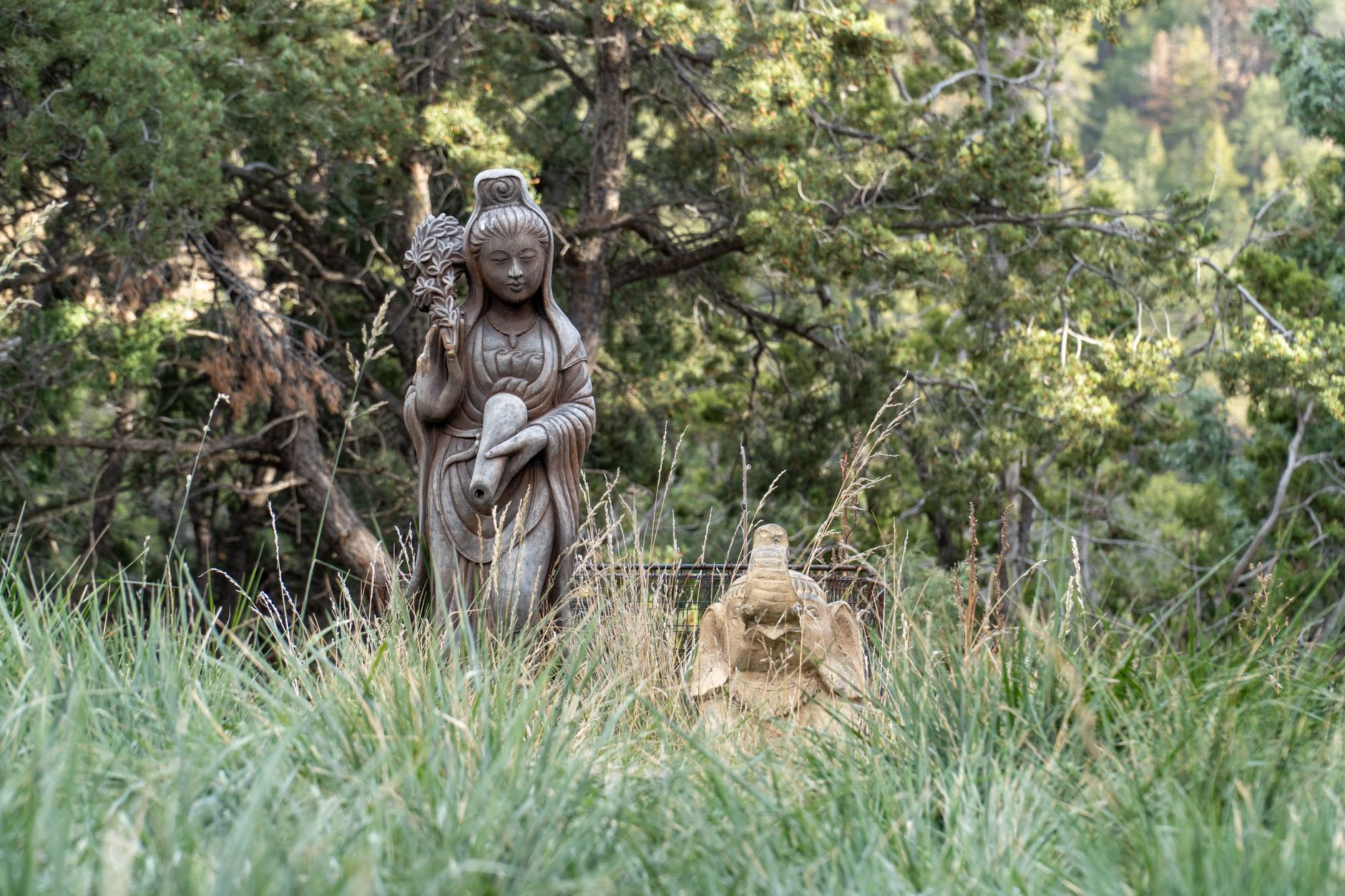
The Railyard reveals the other failure. It was built as a working yard and now functions as the one place in town where the daily needs of locals and the occasional visitor overlap without either group performing for the other. The Plaza, by contrast, collapses into theater once the galleries close. You feel the difference when you move between them in the same afternoon: one still carries the rhythm of freight and commuters, the other has been tuned for photographs. The style that gets promoted mistakes the tuned version for the real one and then wonders why the city feels thin after the second visit.
The honest tradeoff is this. Santa Fe will not reward you for moving here to inhabit a look. The high desert keeps its own schedule, and the neighborhoods that actually work—Eastside, the lower reaches toward Tesuque, the blocks around the Railyard—require you to match that schedule instead of decorating around it. You trade the constant sense of being inside a painting for the narrower but steadier satisfaction of knowing which arroyo will flood and which ridge will hold snow longest into spring. The light stays, but it stops being decoration and becomes simply the condition under which everything else happens.
What remains once the style drops away is the terrain itself and the small set of decisions it forces every day: how to heat the house, where to keep water, which routes stay open when the passes close. Those decisions are the same ones the original settlements made, and they still shape who stays. The version you actually live is the one that treats the adobe walls and the high clear air as background rather than the point. It is quieter, less photogenic, and harder to explain to people who only came for the weekend. It is also the only version that continues after the light changes and the tourists leave.
— LIVI