
Dallas does not ease you in. The scale hits first: the breadth of the skyline, the width of the highways, the sheer physical distance between things you assumed were close. The disorientation passes. What replaces it is something more useful — a working knowledge of which parts of this metro actually match how you want to live. That is the question worth locking down before the move, not after.
Dallas is not one city in the way that phrase usually implies. It is a collection of distinct neighborhoods and suburbs that happen to share a metro code, and the difference between landing in the right one and the wrong one shapes everything from your commute to your social life to whether you ever feel like you belong here.
The Scale Is Real — and So Is the Human Texture Underneath It
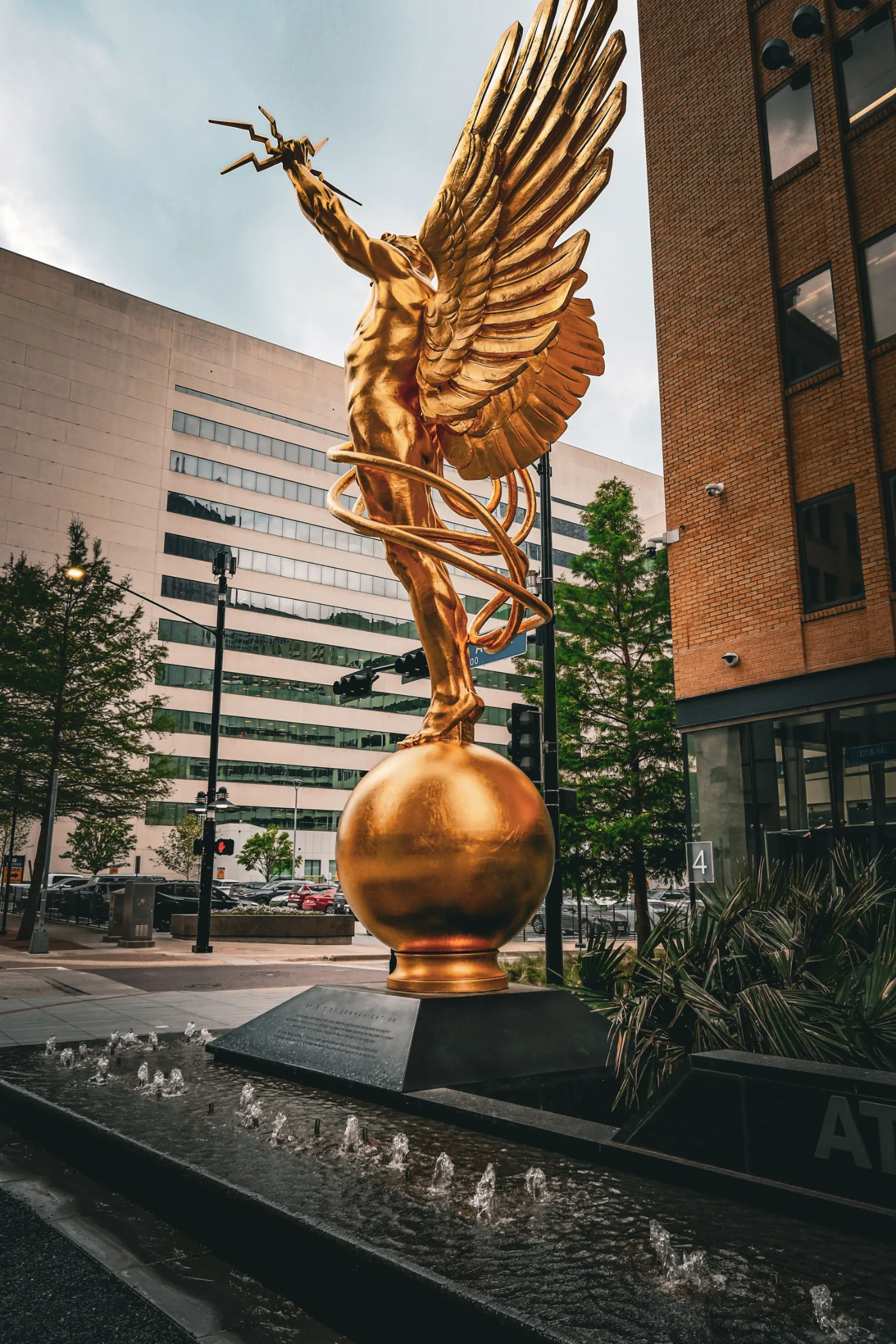
Downtown Dallas has a monumental quality you feel before you understand it. Gold sculpture rising from a fountain plaza. Glass towers pressed against 1920s brick. The Reunion Tower needle catching the last of the afternoon light. This is a city that has always wanted to announce itself, and the built environment delivers. But announcement and livability are different things.
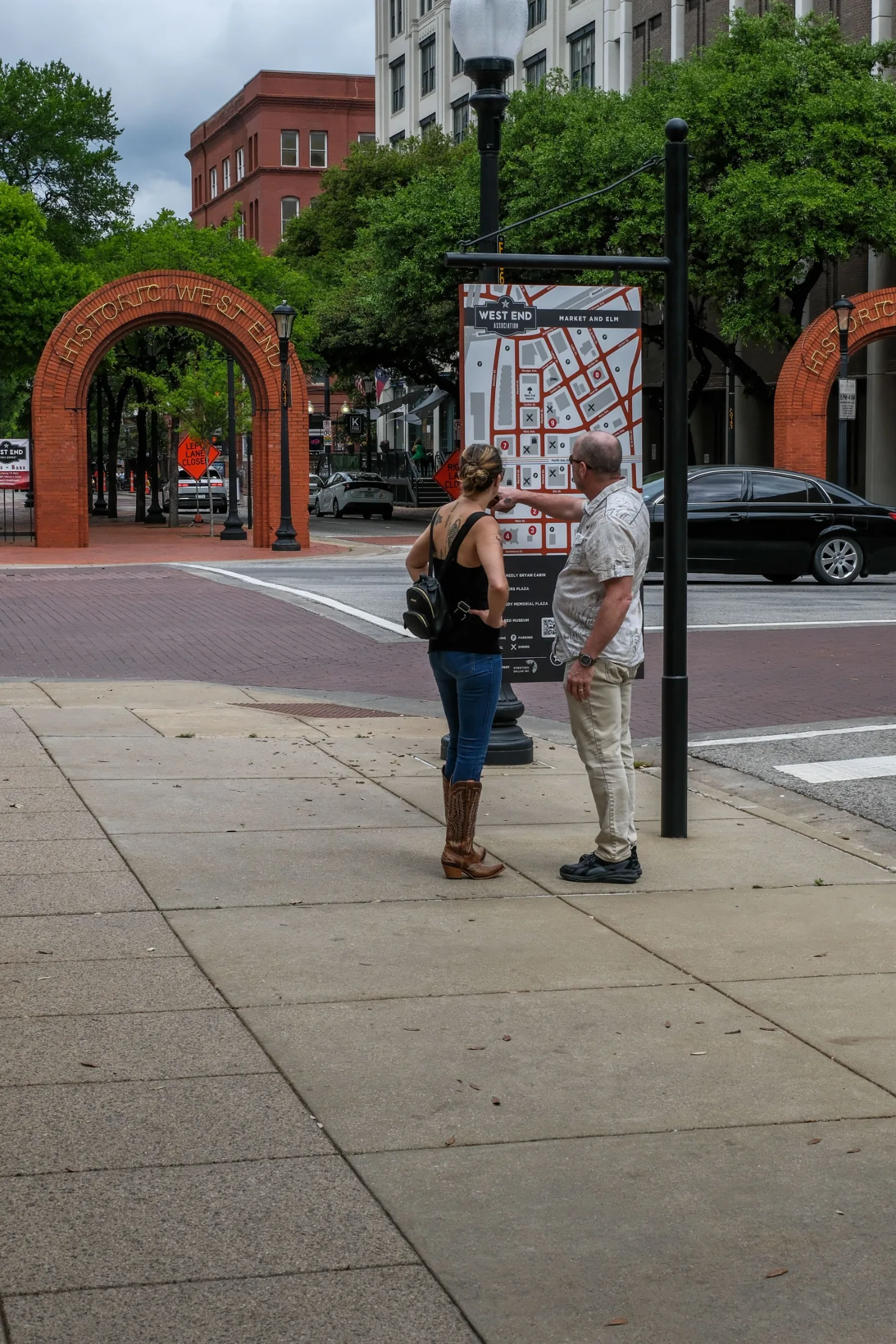
The people who stay and genuinely love Dallas are mostly the ones who found their smaller orbit inside the larger one: the walkable stretch of Henderson Avenue, the Saturday morning rhythm of the Farmers Market, the coffee shop in Bishop Arts where everyone seems to know each other by their order. The metro rewards exploration, but only if you know roughly where to point yourself.
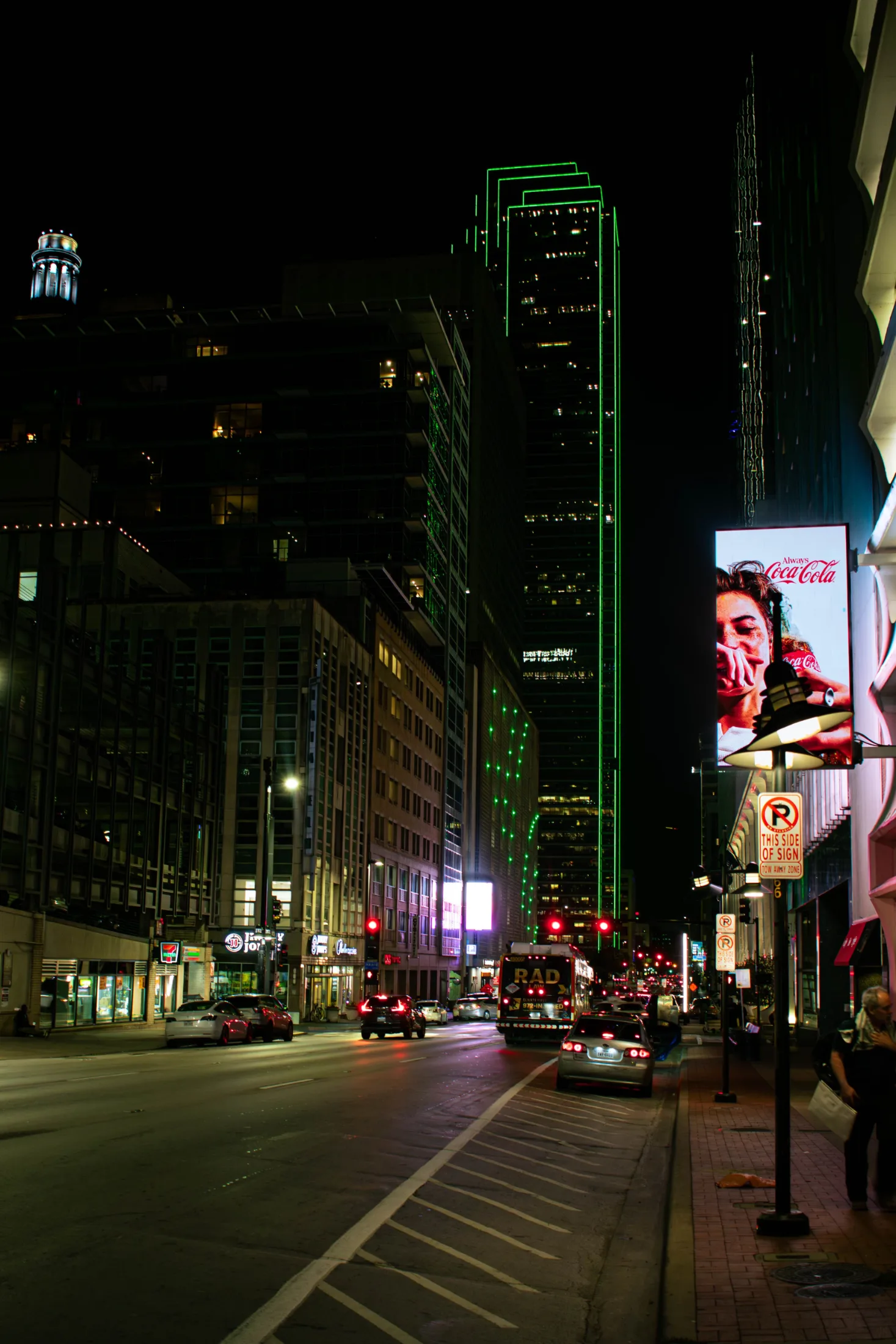
At night, downtown Dallas has a pulse that surprises newcomers who expected a sleepy Sun Belt business district. The streets move. There is noise and neon. For residents of Uptown, Deep Ellum, or the Arts District, this is background music. For people living farther out in Frisco or Southlake, it is a destination they visit deliberately. That distinction — living in it versus visiting it — is one of the first things to get honest with yourself about when you are choosing where to land.
Neighborhood Differences That Actually Matter
The neighborhoods closest to the urban core — Uptown, Knox-Henderson, Lower Greenville, Oak Cliff — tend to attract people who want to walk to dinner, who will trade square footage for proximity, and who measure their weekends in radius rather than mileage. These areas feel the most like a traditional city neighborhood: sidewalk life, independent restaurants, a bar you can reach without planning the logistics. The trade-off is price per square foot and, in some cases, parking.
Move north along the Tollway and the character shifts. Plano, Frisco, Allen — suburbs that have matured into something more self-contained, with their own job centers, restaurant corridors, and school districts that draw families from across the country. Life there is comfortable and well-resourced, and it is organized around the car. That is simply true, and worth accepting before you sign a lease.
East Dallas — Lakewood, the M Streets, Casa Linda — occupies a middle register that a lot of long-term Dallasites swear by: craftsman bungalows, established tree cover, White Rock Lake a short bike ride away, close enough to downtown to feel connected but residential enough to feel like somewhere rather than everywhere. If you are coming from a mid-sized city and do not want to give up either proximity or a front porch, start here.
The Quieter Realities
Summer in Dallas is serious. The heat from June through September reshapes your daily schedule, your outdoor habits, and your relationship with your car's air conditioning. People who thrive here move their outdoor life to early mornings and evenings, treat the cool months as the premium season, and stop fighting the climate. That adjustment takes one full summer to internalize. Budget for it.
Traffic is the other reality. The DFW metro is vast, and while DART light rail covers more ground than many newcomers expect, most of daily life here involves driving. Where you live relative to where you work is not a minor logistical detail — it determines the quality of your mornings and evenings for as long as you stay. Get that math right before anything else.
What the brochures also undercount: Dallas has a genuine culture of gathering. Block parties, tailgates, backyard cookouts, church parking lots turned into community events. The social infrastructure here is real, and once you find your thread of it, the city changes size. It gets smaller in the best way.
Public Space and the Gathering Culture
Klyde Warren Park sits above a freeway and functions as a genuine town square: food trucks, lawn games, free programming, and the kind of random cross-section of people that good public parks produce. The Katy Trail runs eleven miles through some of the city's most desirable neighborhoods and is genuinely busy on weekend mornings. White Rock Lake draws cyclists, paddlers, and walkers year-round. These are not amenities on a brochure — they are places people actually use, weekly.
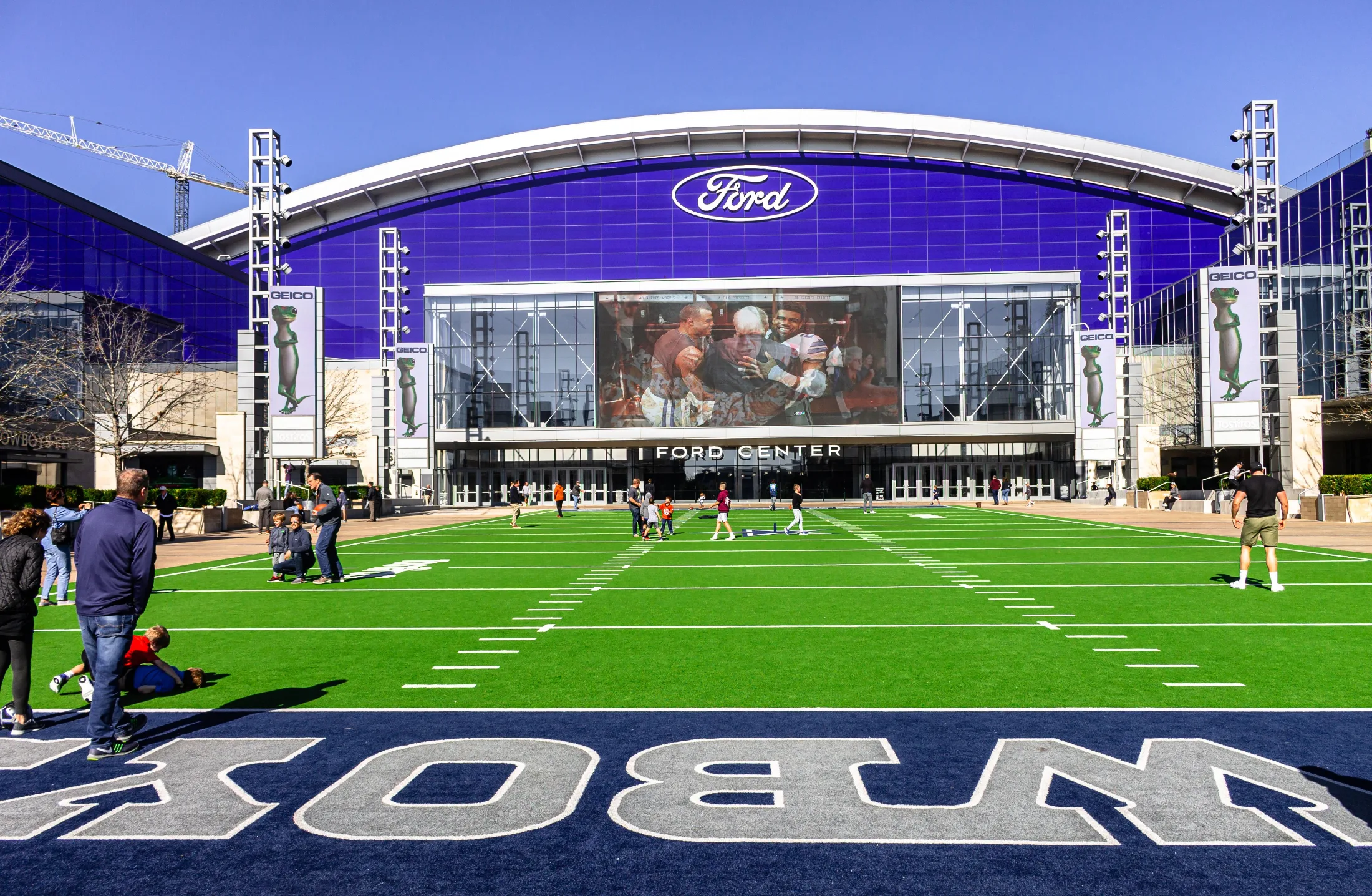
The sports culture runs deeper than fandom. The Cowboys, Mavericks, Stars, Rangers — these teams function as civic connective tissue, giving strangers an instant common language and giving neighborhoods a reason to fill up restaurants on a Tuesday night. The Ford Center at The Star in Frisco makes this concrete: a world-class facility surrounded by a plaza that families treat as a park on ordinary afternoons, not just on game days. Spectacle and everyday gathering place, in the same footprint. Dallas has gotten genuinely good at that.
How to Land Faster
The people who feel at home in Dallas quickest stopped treating the city as something to figure out alone. They committed to one neighborhood instead of keeping every option open, then worked outward from there. They showed up to things before they felt ready. They asked locals the specific questions instead of the broad ones.
That is the logic behind what we built at LIVIN — local events, vetted partners, and home search in one place, organized around the specific parts of the metro that fit how you actually want to live. If you are still in the research phase, or just got here and are trying to get your bearings, the Dallas guide is a useful place to start.
Explore Dallas on LIVIN — neighborhood guides, what's happening this month, and the people who can help you make the move make sense.