
When George Mitchell laid out the original vision for The Woodlands in the early 1970s, healthcare was baked into the plan, not as an afterthought, but as a pillar. A community built for families, one with real staying power, had to have real medicine. Fifty plus years later, what has taken shape along the I-45 corridor is something that surprises even longtime residents when they stop to look at it: a concentration of major hospital systems that rivals what you would find inside the Loop, without the drive.
The healthcare story of The Woodlands is one of the most underappreciated things about living here. Most people moving from other metros ask about the trails, the schools, the restaurants. The hospitals only come up when something goes wrong. That is exactly why it is worth looking at them clearly, before something does.
Memorial Hermann: The Anchor
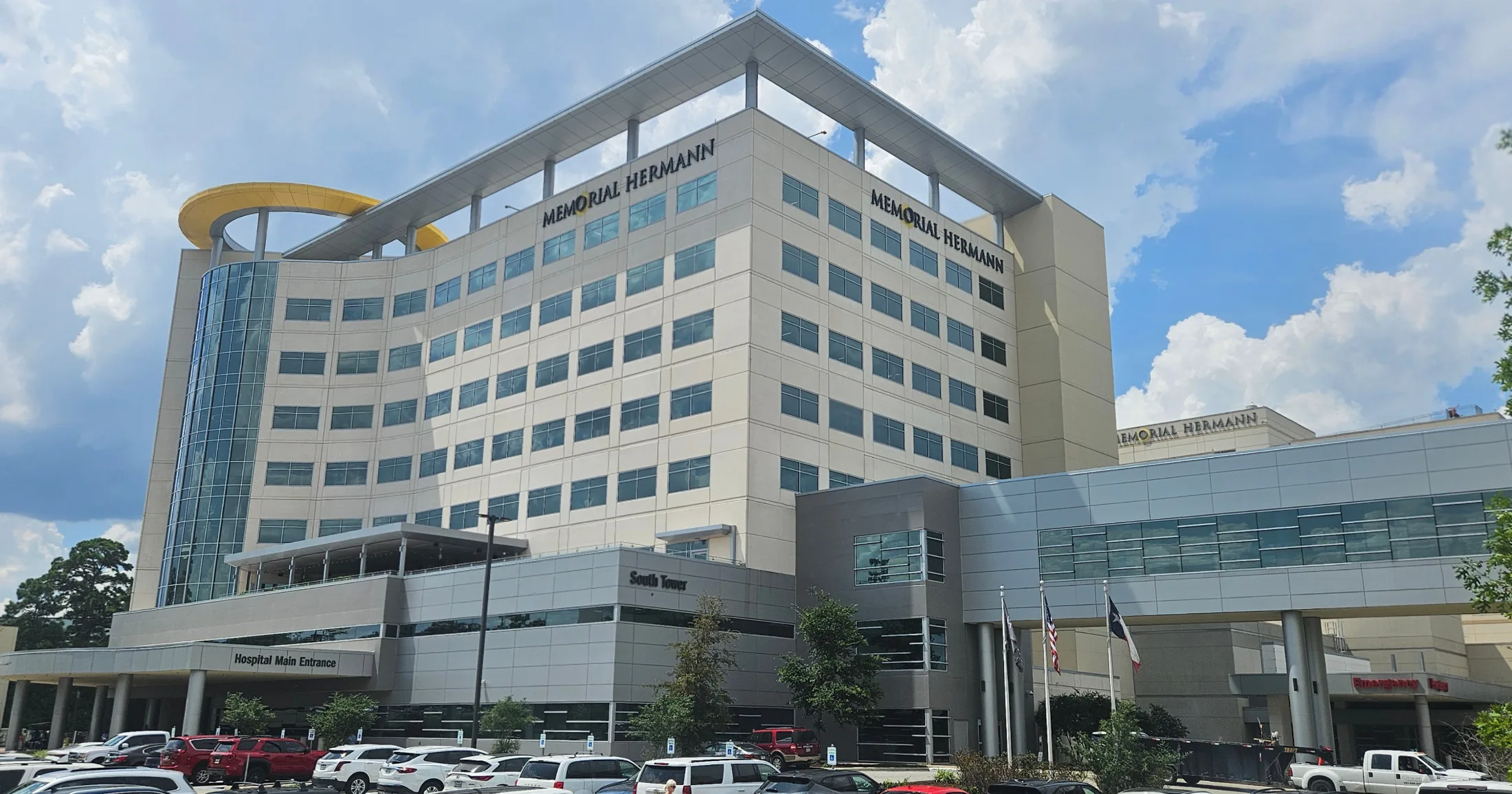
If you have driven north on I-45 toward Research Forest Drive, you have seen the tower with the gold curved crown rising above the tree line. That is Memorial Hermann The Woodlands Medical Center, and it carries serious weight in Montgomery County.
Memorial Hermann has operated here for decades, and the campus has expanded in step with the community's population. What started as a community hospital has grown into a full service acute care campus with a designated trauma center, meaning that when a serious accident happens on the Hardy Toll Road or I-45, this is where paramedics are headed. That matters for every family in Creekside Park, Alden Bridge, or anywhere else on the north end of the county.
Beyond trauma, the campus carries programs in heart and vascular care, women's health, and cancer services. A dedicated women's center handles high risk obstetrics alongside routine maternity care. The cancer program draws patients from well outside Montgomery County, including from Walker and Liberty counties, who do not want to make the trek downtown for every treatment cycle. The South Tower expansion added bed capacity and surgical suites that the growing patient volume had been demanding for years.
Houston Methodist: The Specialist's Address
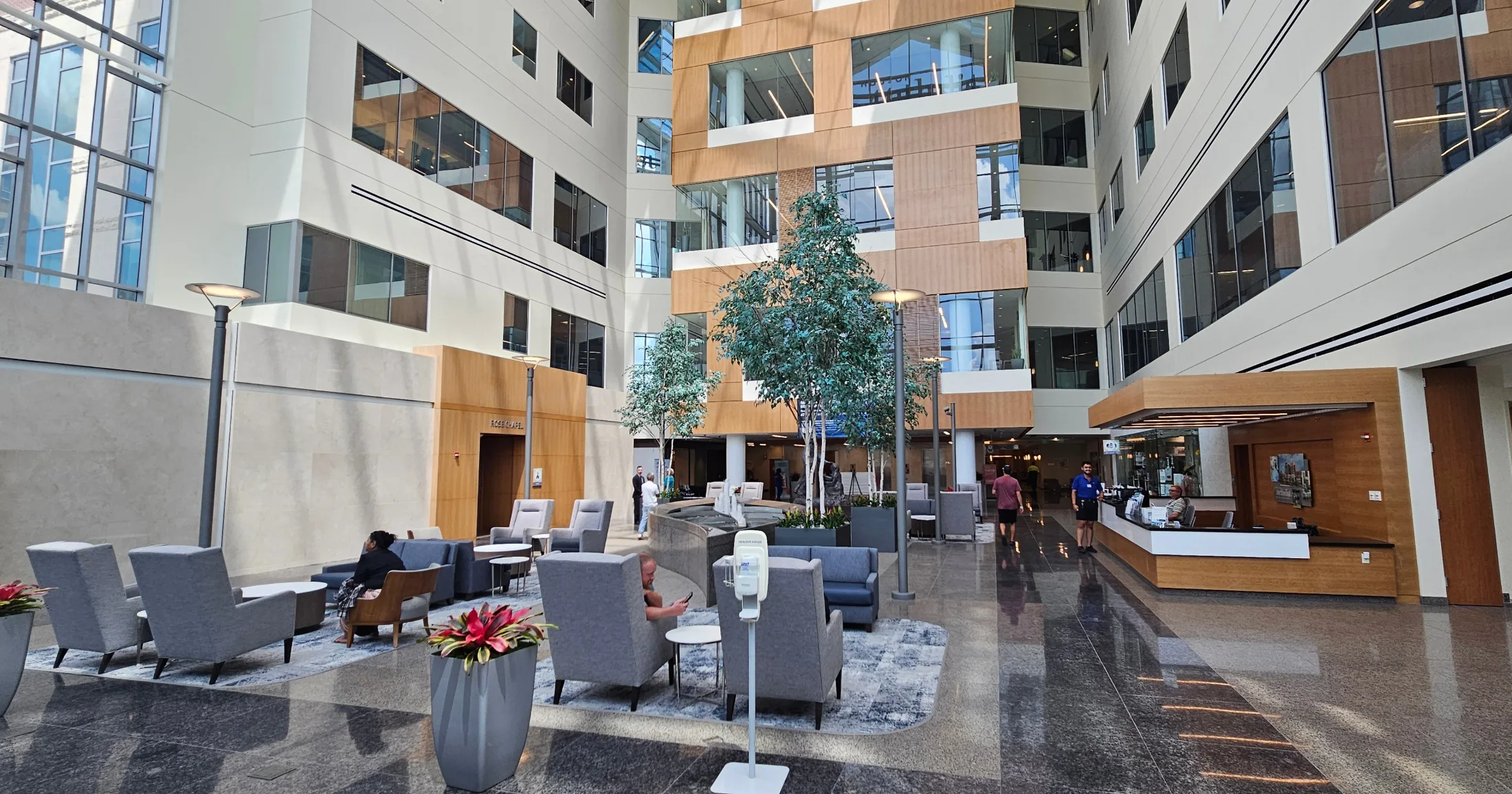
Houston Methodist The Woodlands Hospital set a different tone from the start. The glass and brick campus near I-45 signals what is inside: a hospital built from the ground up with the modern patient in mind, connected to one of the most respected physician networks in the country.
Methodist's strength here is specialty depth. Orthopedics, neurology, cardiology, the physicians practicing at this campus carry credentials that would be impressive at any flagship academic medical center. The heart and vascular program in particular has drawn patients from across the region who want subspecialty expertise without traveling to the Texas Medical Center for every appointment.
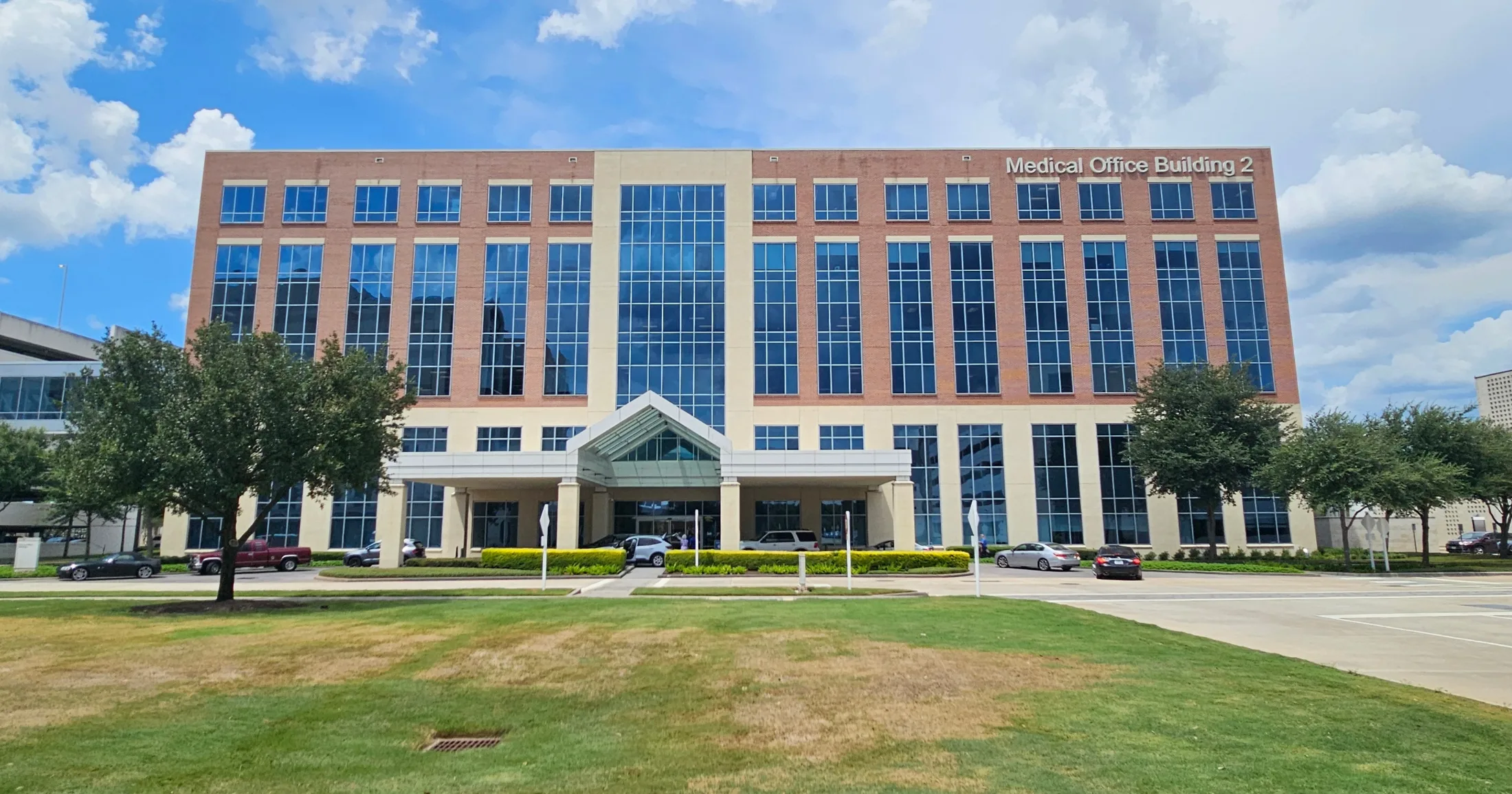
The hospital has grown quickly since opening. Medical Office Building 2 now anchors the campus's physician practice footprint, expanding access to outpatient specialty care across dozens of disciplines. For residents of The Woodlands' many villages, having that level of specialist access within a short drive is genuinely consequential.
St. Luke's: Consistent, Accessible, Community Rooted
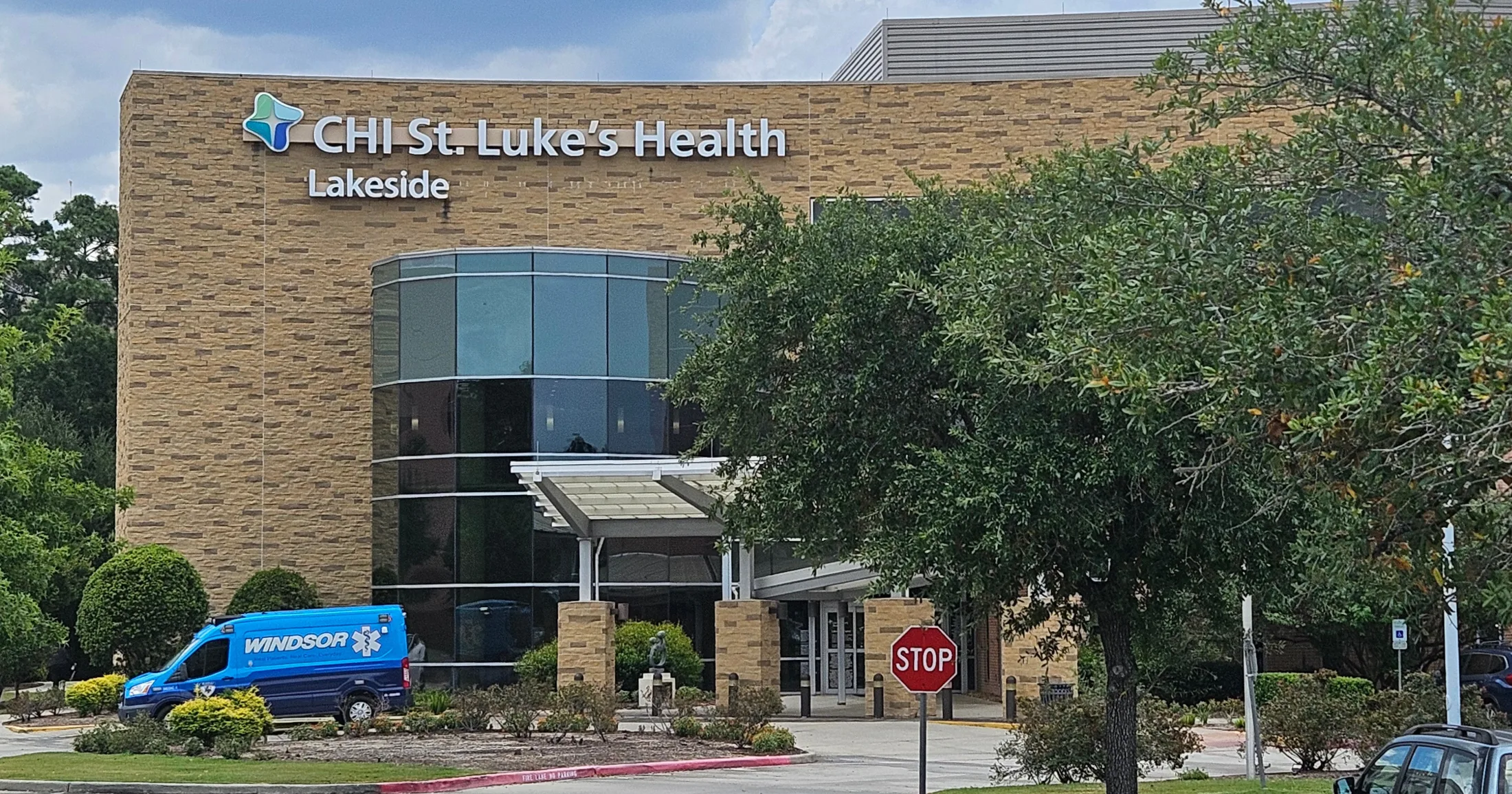
St. Luke's Health – The Woodlands Hospital at 17200 St. Luke's Way has been part of the fabric here longer than many residents realize. Operating 24 hours a day, 7 days a week as an acute care facility, it serves a critical function: reliable hospital care for the day to day medical needs of a fast growing population. Reach them at (936) 266-3955.
St. Luke's has historically been a community first institution, the kind of hospital where your primary care doctor has admitting privileges, where you can get a surgical procedure without a months long wait, and where the staff tends to know the area because they live here too. For residents of Panther Creek and Indian Springs, it is often the closest full service option. That proximity counts when time is short.
Texas Children's: Pediatric Care Families Used to Drive Downtown For
For years, a serious pediatric diagnosis in The Woodlands meant loading up the car and driving to the Texas Medical Center. Texas Children's Hospital The Woodlands changed that. Bringing one of the most recognized children's hospital brands in the world to this community was not a ribbon cutting moment, it was a real shift in what parents here can count on.
Pediatric subspecialties that previously required a trip down I-45 are now accessible locally. Texas Children's physicians, the same network, the same protocols, the same standard of care, without the round trip drive for a family already managing a sick child. For anyone who has sat in a car on I-45 at rush hour with a kid in pain, that calculus is not abstract.
The presence of Texas Children's also completes a healthcare picture that makes The Woodlands compelling for families relocating from other major metros. The question of pediatric care comes up constantly in those conversations. The answer used to require explanation. Now it does not.
What It Adds Up To
George Mitchell's original master plan called for a community where residents could live, work, and raise families without constantly looking south toward Houston for what they needed. That vision has been tested many times over the decades, and on the healthcare front, it has held.
Montgomery County is one of the fastest growing counties in the United States, and the medical infrastructure here has kept pace in a way that most fast growth communities do not manage. That takes sustained investment, from the hospital systems, from the physicians who chose to build practices here, and from a community that has always expected more from its institutions.
If you are thinking about what life in The Woodlands actually looks like, the medical story belongs in that conversation. The trails, the schools, the restaurants on Research Forest, all of it matters. But so does knowing that at two in the morning, you are not driving an hour to get real care. That peace of mind does not show up on a feature list. It shows up when you need it.