
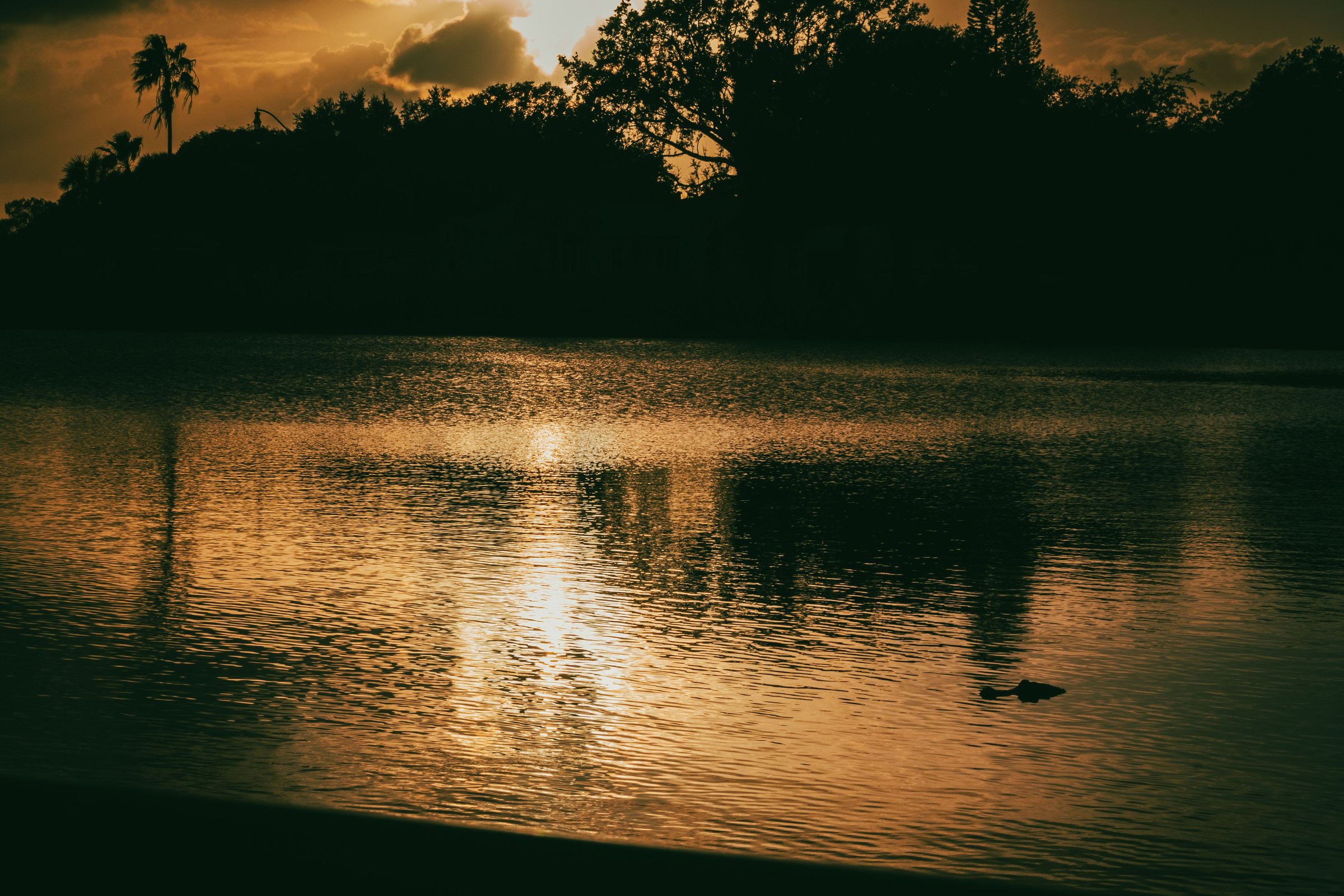
Grantham Point Park in Mount Dora was created from road rubble and fill. Its lighthouse was built to represent the "Port of Mount Dora" and appears on many of the town's symbols. The park sits on Lake Dora, across Tremain Street from Gilbert Park, and some people call it Lighthouse Park. It has benches, picnic tables, and fishing. That backstory matters because it tells you something about how these towns treat their lakefronts: as civic identity, not just scenery. The five towns below all take the same approach. Each one borders a named lake, maintains a public lakefront park on that lake, and provides a boat ramp or fishing pier at or near that park. We ranked them by the size of the lake in acres, largest first.
Kissimmee, Florida
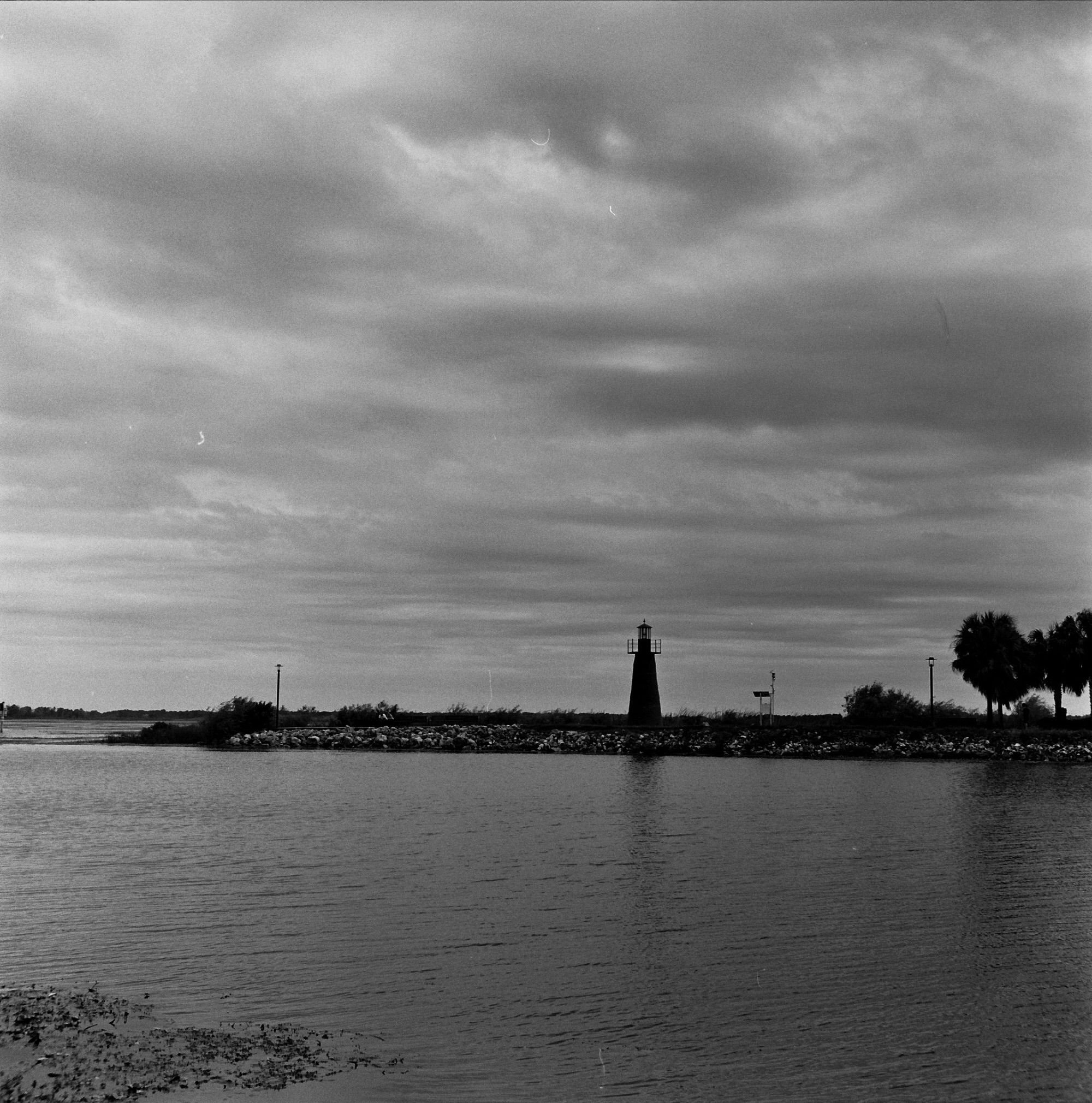
Lake Tohopekaliga, known to just about everyone here as Lake Toho, is the largest lake on this list at 18,810 acres. It sits southeast of Kissimmee, and its primary inflow is Shingle Creek, which rises in Orlando. A 3-mile canal, the St. Cloud Canal, links Lake Toho to East Lake Tohopekaliga, making both lakes part of a connected water system that draws serious anglers from across the state.
Kissimmee Lakefront Park stands between historic downtown Kissimmee and the banks of the lake at 201 Lakeview Drive. The park has a fishing pier, a splash pad, playgrounds, rentable pavilions, paved walking trails, and outdoor event space. It also has a lighthouse. Man-made fish attractors placed in the lake are especially popular fishing spots, and boats can reach the water from Big Toho Marina. Park vendors offer pontoon boat tours for those who want to get out on the water without trailering their own boat. The park is open daily from 7 in the morning to 10 at night, so there is time to catch both the morning bite and the sunset.
St. Cloud, Florida

St. Cloud sits on the southern shore of East Lake Tohopekaliga, an 11,968-acre lake. The town earned the nickname The Friendly Soldier City, and its lakefront park carries that same open, unhurried quality. St. Cloud's Lakefront Park, at 1104 Lakeshore Blvd., has a sand beach wide enough to spread out on, a marina, a fishing pier, a boat ramp, a splash pad, and an outdoor volleyball court. More than 2 miles of bike path run through the park as well.
At Dan Tarrell Memorial Point, visitors can sit on benches around the perimeter or fish from the edge. The boat basin has 12 boat tie-outs available for temporary use. The Lakefront Park boat ramp, at 1402 Lakeshore Blvd., is open 24 hours and has three separate access ramps. Vehicles with trailers pay a daily parking fee of $6 or can buy an annual permit. That combination of a sand beach, a full marina setup, and round-the-clock ramp access is harder to find than you might think.
Mount Dora, Florida
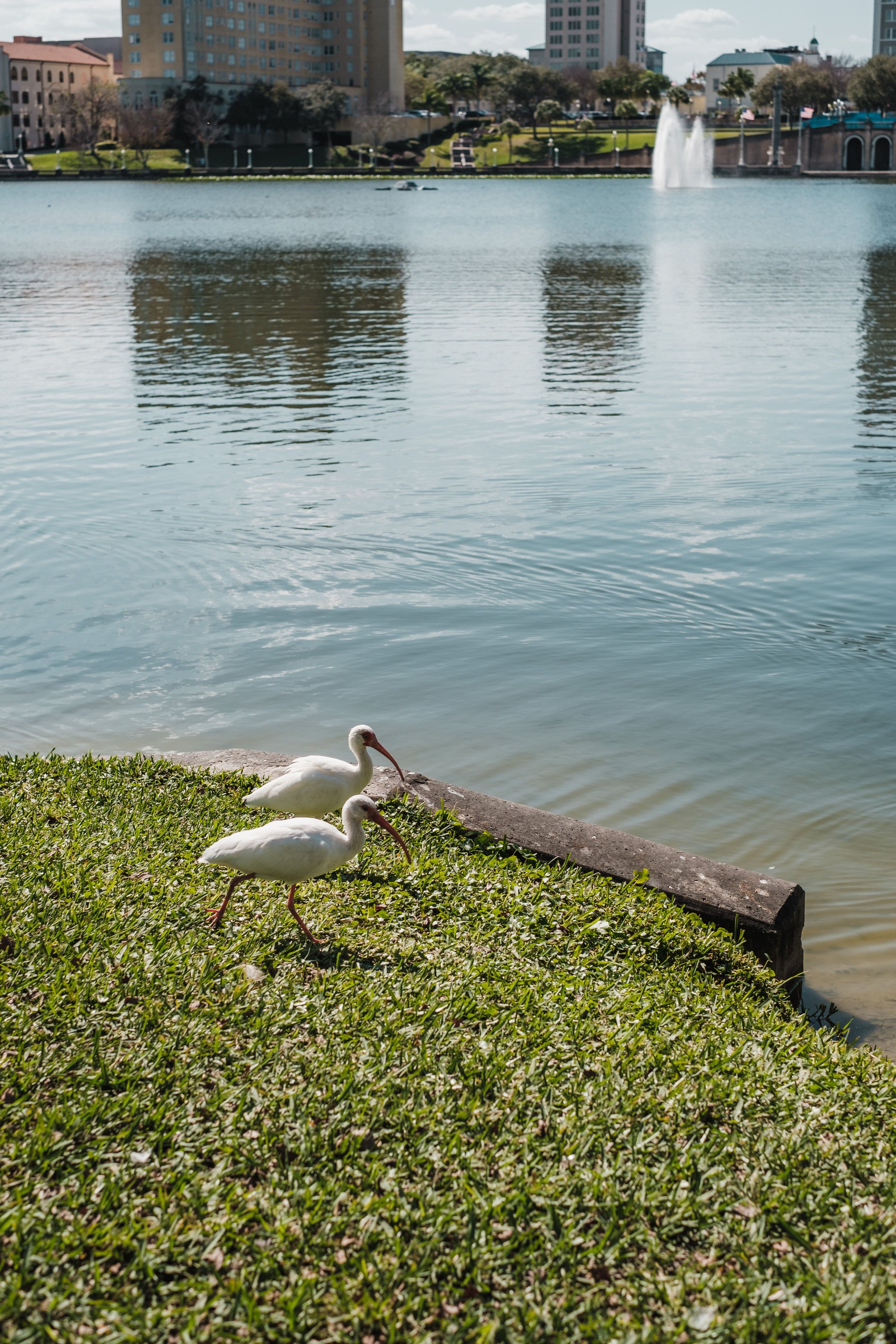
Lake Dora covers 4,385.14 acres. Together with Lake Beauclair, that number rises to 5,463 acres, and both lakes are part of the Harris Chain of Lakes, a chain of connected waterways that anglers and boaters use to travel across Lake County. Mount Dora's lakefront is where a lot of the town's identity gets set, from the lighthouse at Grantham Point to the parks that line the shore.
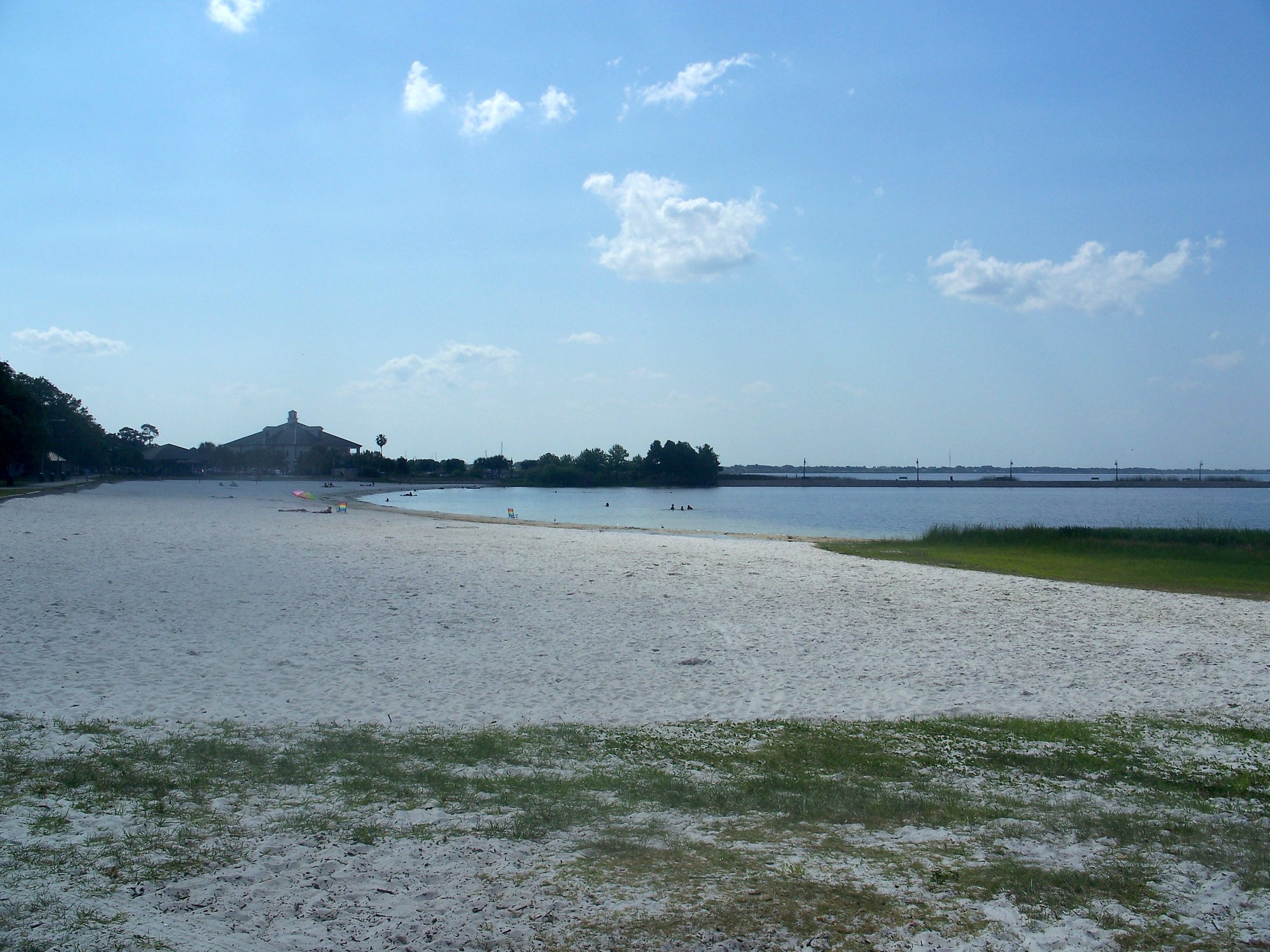
Gilbert Park sits at the intersection of Tremain Street and Liberty Avenue. It has a playground built around a pirate ship with several climbing features, two pavilions, restrooms, and a walking trail. Alexander Creek runs through the park, and the park was named for its donor, Earl Gilbert. The Gilbert Park Boat Ramp, on Lake Dora, is on South Tremain Street. Grantham Point Park is directly across Tremain Street. The two parks together give the lakefront a layered feel: one side for launching, the other for lingering.
Lakeland, Florida
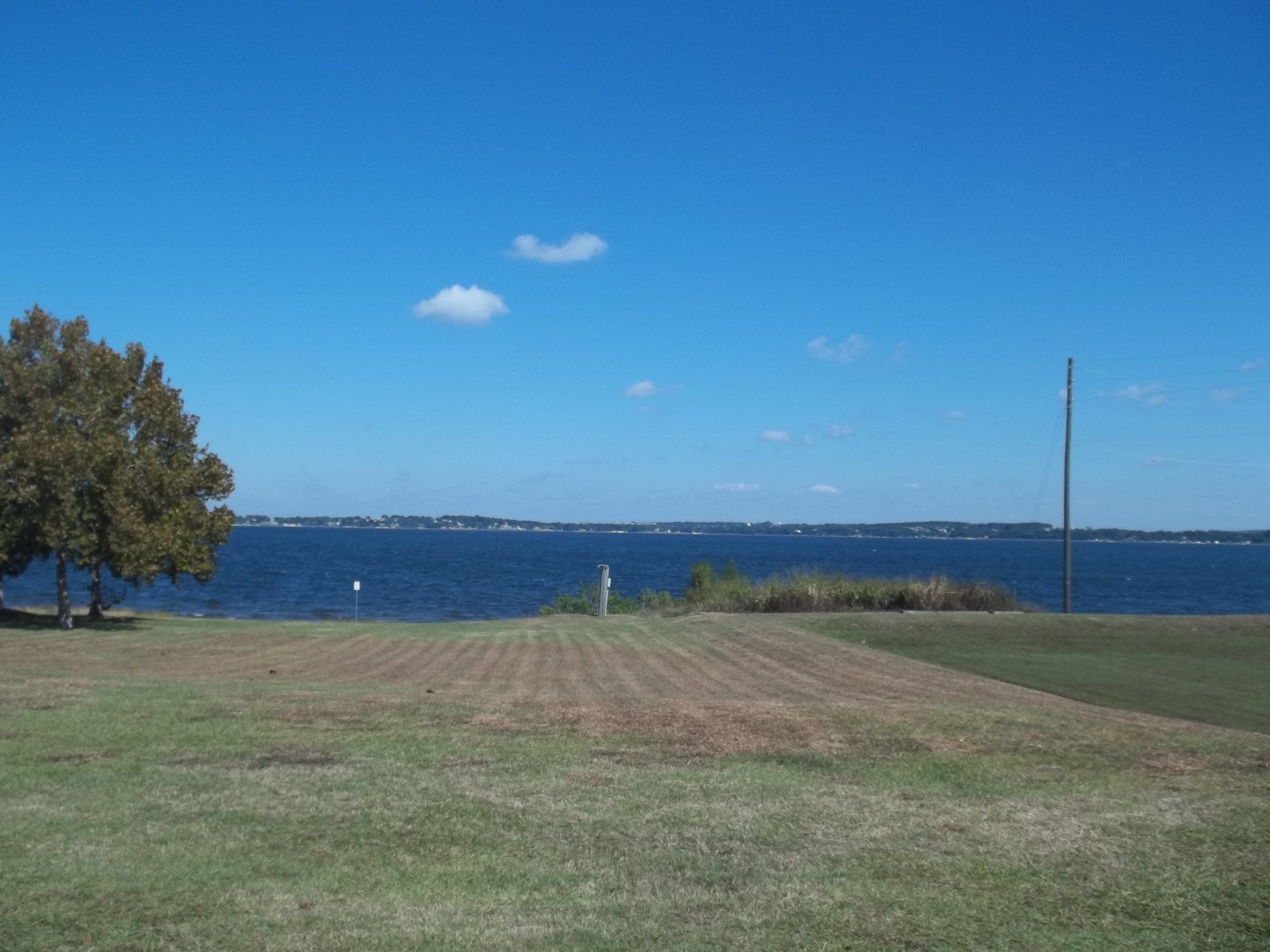
Lake Parker is a 2,272-acre lake on the north side of Lakeland, and Lake Parker Park is one of the bigger community parks in this group. Gate 1 is at 910 E. Granada Street, and the park covers 88 acres. It was developed in the mid-1970s, with Phase I opening in 1978. The amenities include picnic pavilions, pickleball courts, and a 9-hole disc golf course.
What sets Lake Parker Park apart is its trail system. Four color-coded walking paths spread across the property. The Forest Path, at 0.66 miles, runs parallel to the Lake Parker shoreline and puts you close to the water the whole way. The Water Path, at 0.84 miles, is the longest loop and passes through the park's wetland hardwood forest. A boat ramp and boat trailer parking are available on the west shore off Lake Parker Avenue. For a city Lakeland's size, having a lakefront park this complete, trails, courts, disc golf, a ramp, and natural shoreline, all in one spot, is a practical asset.
Clermont, Florida
Lake Minneola covers 1,888 acres and is part of the Clermont Chain of Lakes. Waterfront Park, at 100 3rd Street, runs along the lake between East Avenue and Eighth Street. The park is known for hosting events at a pace that would exhaust most calendars: festivals such as Pig on the Pond, triathlons, the Champions' Dragon Boat Festival, and the Leader of the Lake Regatta all take place here. On a quiet weekday it looks like a different place, just open grass, water, and whatever birds decide to show up.
The Clermont Boat Ramp is at 140 East Ave., just east of Waterfront Park on the southern bank of Lake Minneola. The lot has 102 trailer parking spots. Daily parking is $15, and Clermont residents can buy an annual pass for $20 plus tax. Clermont also has the Palatlakaha Boardwalk and fishing pier on 12th Street, an 800-foot boardwalk that moves through a natural wetland area and gives anglers a spot that feels removed from the event-day energy of Waterfront Park.
Before you go, check each park's current hours and fees. Where You LIVE.