
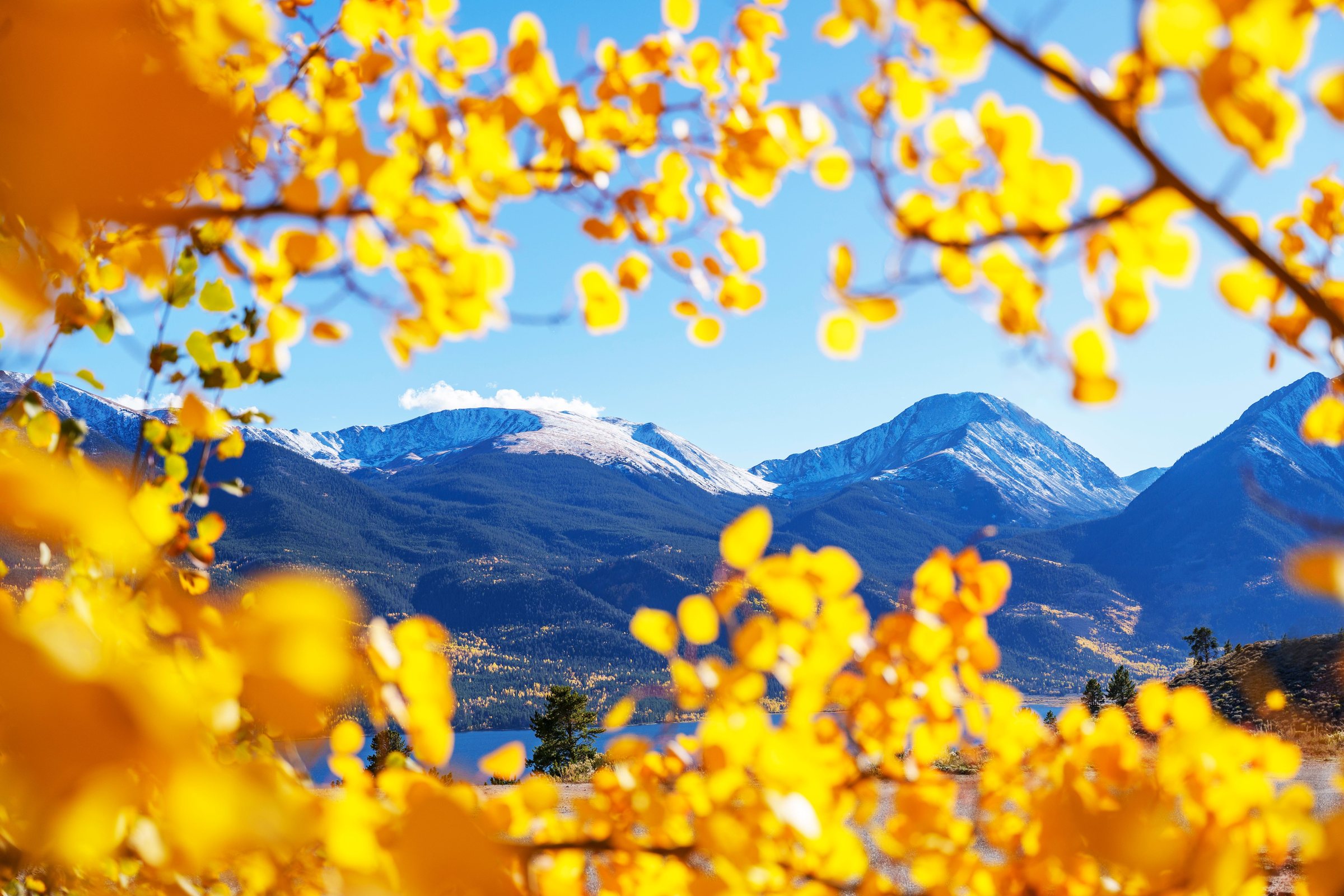
Leadville, Colorado is situated at an elevation of 10,119 feet. Leadville is surrounded by the two tallest peaks in the state, Mount Elbert and Mount Massive. Leadville is a former silver mining town that lies among the headwaters of the Arkansas River within the Rocky Mountains. Leadville lies in a valley between the Mosquito Range to the east and the Sawatch Range to the west, and both ranges include several nearby peaks above 14,000 feet, the so-called fourteeners.
To make this list, a city had to sit in or beside a Colorado mountain range, with a named ski area, trail, river or hot springs close by. We ranked the five by published elevation, highest first.
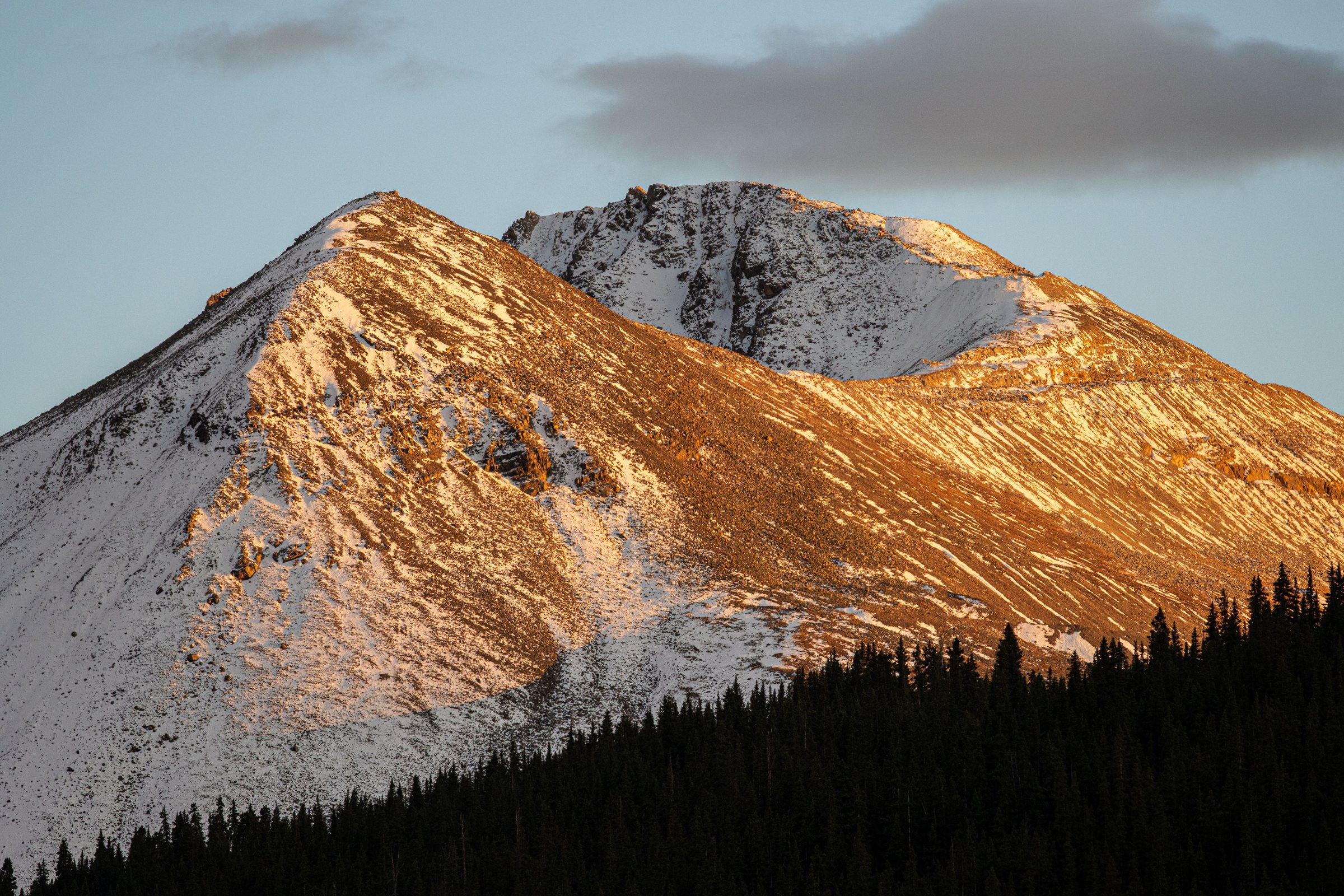
Situated within the San Isabel National Forest and surrounded by three wilderness areas, Leadville is popular with hikers and campers. The Mineral Belt Trail is an 11.6-mile, two-way non-motorized paved trail around the city, with five access points. The Mineral Belt National Recreation Trail is an all-season biking and walking trail that loops around Leadville and through its historic mining district, and in part it follows old mining-camp railbeds. The trail is well-marked with interpretive signs and altitude and mileage markers. The Leadville Trail 100, an ultramarathon, takes place each August since 1983 on an out-and-back course on trails around Turquoise Lake, over Hagerman Pass, the Colorado Trail, through Twin Lakes, across the Arkansas River, up and over Hope Pass, to the ghost town of Winfield. The annual skijoring event and Crystal Carnival take place in March.
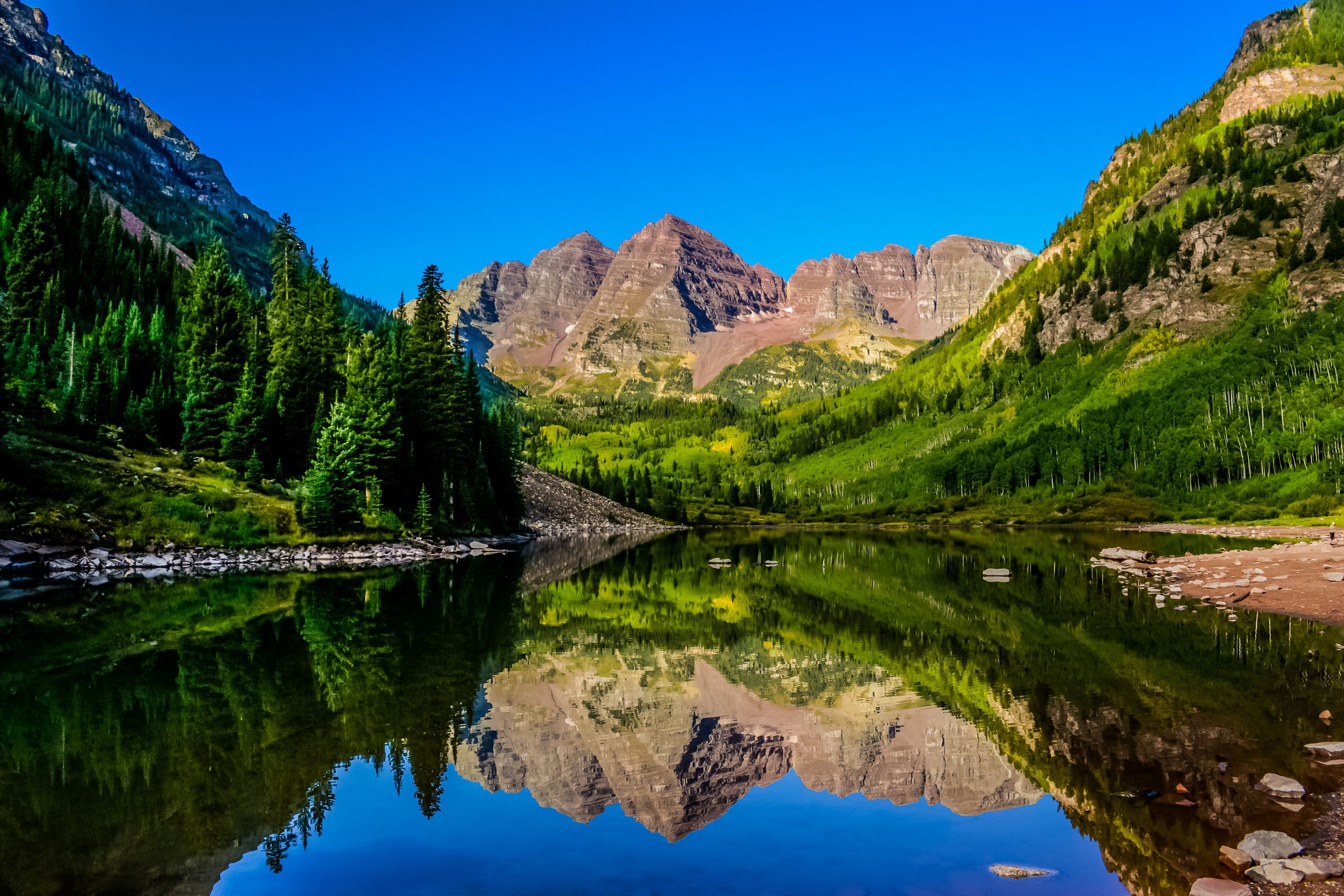
Aspen is in the Rocky Mountains' Sawatch Range and Elk Mountains, along the Roaring Fork River at an elevation just below 8,000 feet, 11 miles west of the Continental Divide. Aspen was founded as a mining camp during the Colorado Silver Boom and later named for the abundance of aspen trees in the area. Aspen's fortunes recovered in the mid-20th century when neighboring Aspen Mountain was developed into a ski resort. The Aspen Skiing Company was founded in 1946, and Aspen quickly became a well-known resort, hosting the FIS World Championships in 1950. Outdoor recreation in the surrounding White River National Forest serves as a summertime counterpart to Aspen's four ski areas. The Winter X Games have been held in Aspen at Buttermilk since 2002. The Maroon Bells, Maroon Peak and North Maroon Peak, are about 12 miles southwest of Aspen, and both peaks are fourteeners. Around 300,000 people visit the Maroon Bells every season.
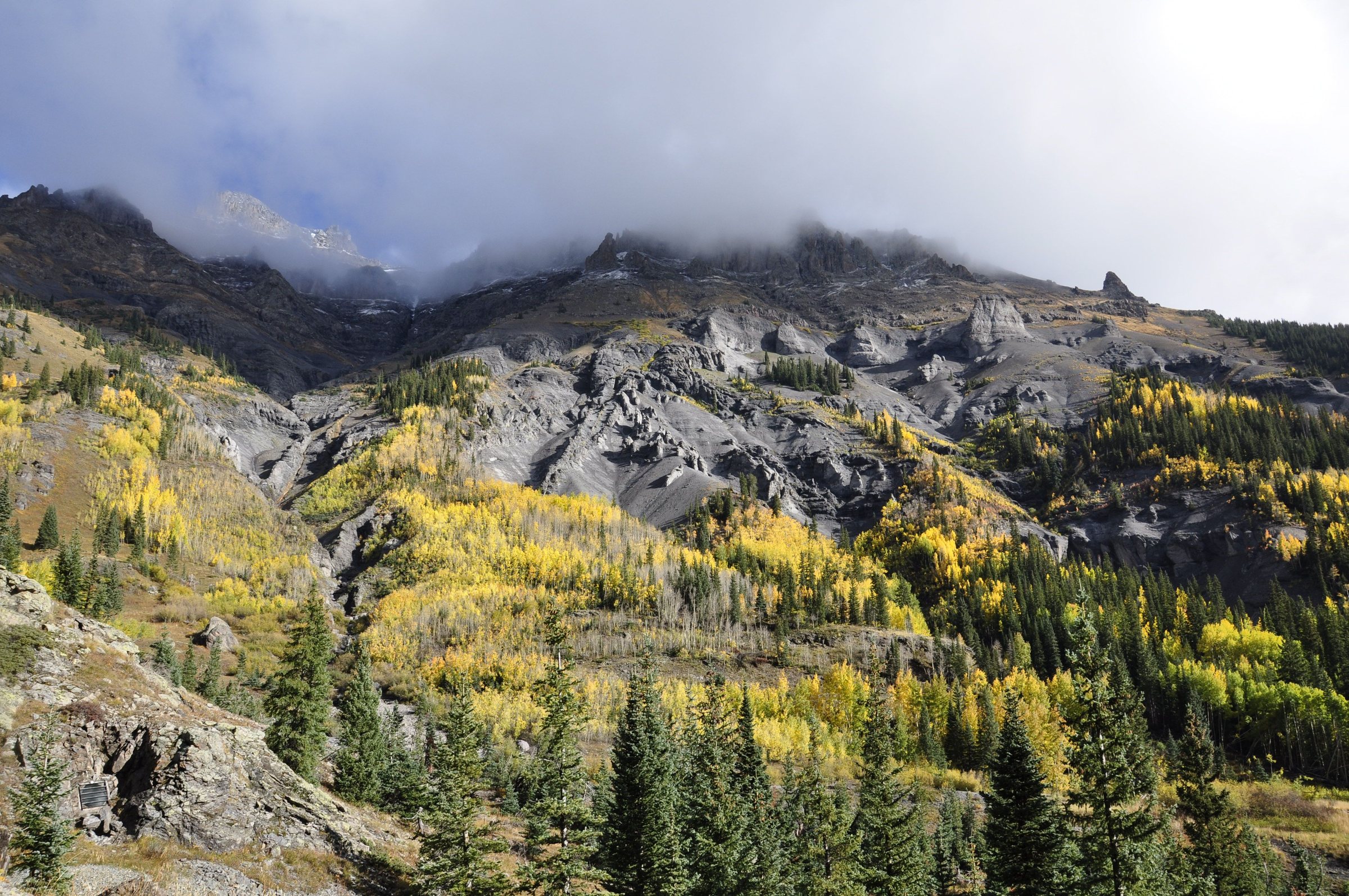
Ouray is located at an elevation of 7,792 feet, and its climate, natural alpine environment and scenery have earned it the nickname Switzerland of America. Ouray is located in the San Juan Mountains of southwestern Colorado. Much of the tourism in Ouray is focused on ice climbing, mountain biking, hiking, trail running and off-roading in four-wheel drive expeditions into the San Juan Mountains. The world's first ice climbing park consists of dozens of frozen waterfalls from 80 to 200 feet high, farmed along more than a mile of the Uncompahgre Gorge. The Ouray Ice Park is free and attracts climbers from around the world. There are five developed hot springs in Ouray and nearby Ridgway, and Ouray Hot Springs is the largest facility with numerous pools. Cascade Falls is a short, 1/4 mile hike from a parking lot on 8th Avenue, and Box Canyon Falls is at the southwest edge of Ouray. Ouray is connected to Silverton and then Durango to the south by Red Mountain Pass, and the drive along the Uncompahgre River and over the pass is nicknamed the Million Dollar Highway.
Salida, Colorado has an elevation of 7,084 feet. The Sawatch Range is located roughly 10 miles west of Salida, and the Mosquito Range parallels the Sawatch Range to the east, forming the Upper Arkansas Valley. Salida, meaning exit in Spanish, was named for its location near the point where the Arkansas River flows out of the valley and into Bighorn Sheep Canyon, upstream from the Royal Gorge. The Arkansas River runs through Salida. FIBArk, short for First in Boating the Arkansas, is a three-day festival held in Salida that started in the 1950s. The original FIBArk race was held on June 19, 1949, and was a 57-mile course from Salida to Canon City on the headwaters of the Arkansas River. In 1953, the first whitewater slalom races in North America were offered in Salida. FIBArk has many boat races, including the Hooligan race, where people make boats out of anything they can find and race them down the Arkansas. Monarch Mountain is a ski resort twenty miles west of Salida, on U.S. Highway 50.
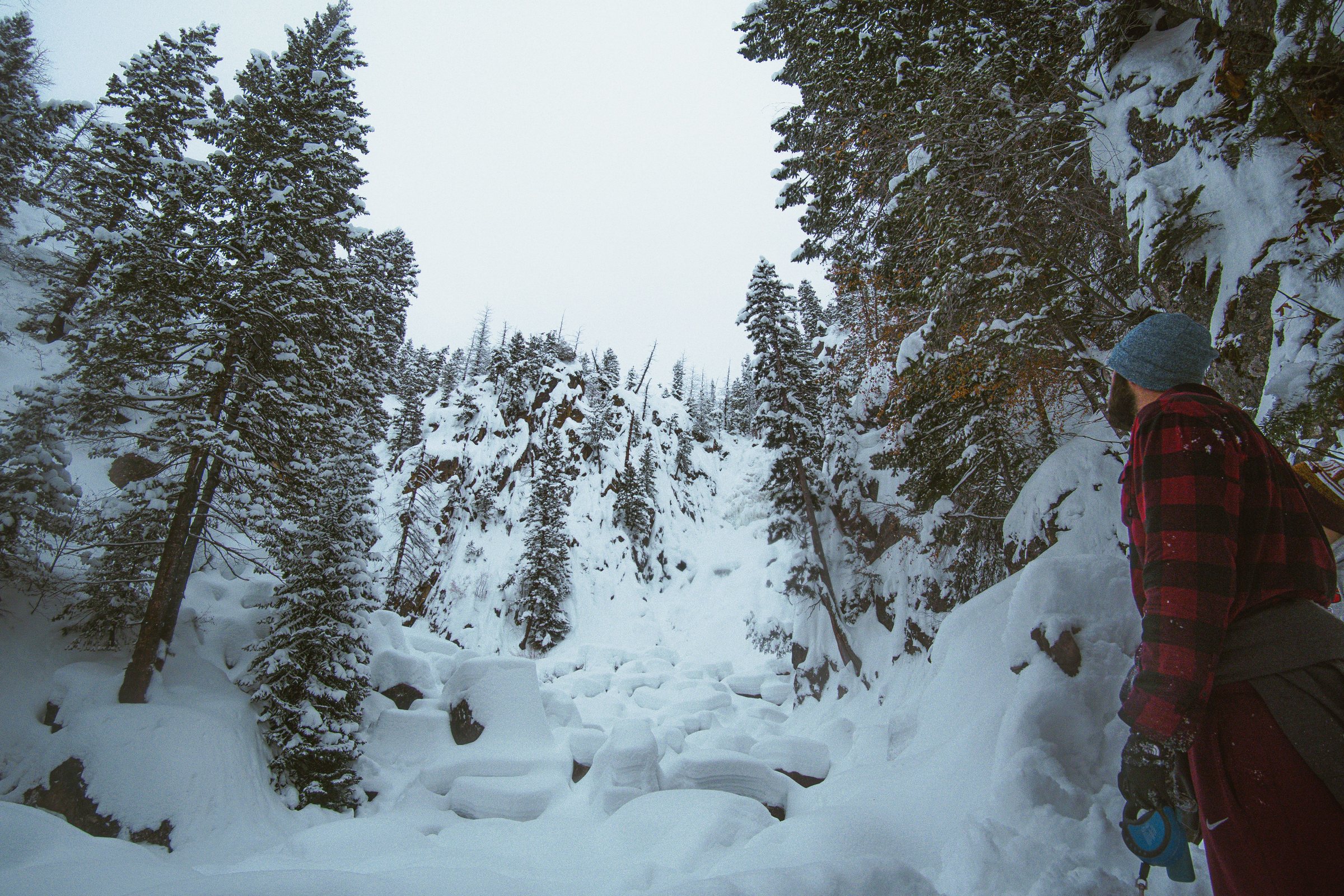
Steamboat Springs, Colorado has an elevation of 6,867 feet, and Steamboat Springs is the largest city in northwestern Colorado. Steamboat Springs is named after the Steamboat Spring, which was so named because its bubbling sounded like a steamboat to early settlers. Steamboat Springs is a winter ski resort destination, including the Steamboat Ski Resort on Mount Werner in the Park Range just east of the town and the much smaller Howelsen Hill Ski Area. In 1913, Carl Howelsen, a Norwegian, moved to town and introduced ski jumping, and Howelsen built the first jump on Howelsen Hill. The Steamboat Ski Resort opened on what was then called Storm Mountain in 1963. Steamboat Springs has produced more athletes for the Winter Olympics than any other town in North America. The Yampa River is a location for water sports like fishing, rafting, tubing and kayaking, and its 4-mile grade II-III whitewater run through town ends with two surfable holes. Every year on the first weekend of June, Steamboat Springs holds the Yampa River Festival, which includes a kayak rodeo. The Steamboat Springs area also offers hot springs that are open to the public. Where You LIVE.