

January in Florida means open windows, not scraped windshields. Morning runs before the heat peaks. Evenings on the water. Weekends that don't begin with a forecast check. People who've made the move describe this first — before the tax savings, before anything else. The statistics come later, and they're real: Florida has ranked first in relocation desirability for three consecutive years according to the National Association of Realtors, leads the country in total inbound moving volume, and has recorded the sharpest rise in inbound interest of any state per U.S. Census Bureau migration data. But those numbers are a symptom. The weather is the cause.
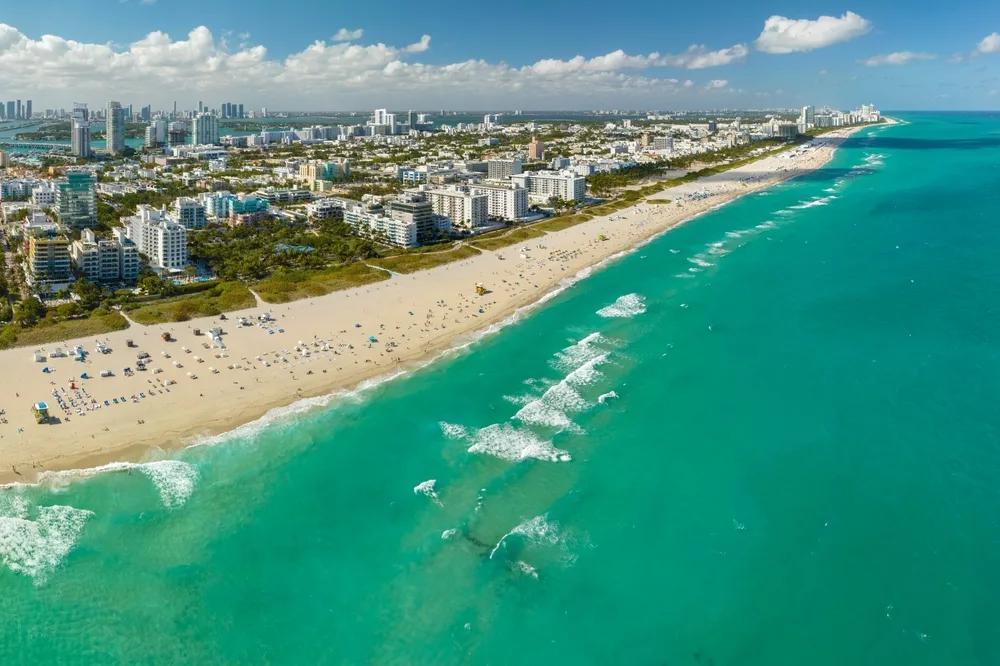
Florida also levies no state income tax — not a perk the chamber of commerce dreamed up, but a line that simply disappears from your return. For remote workers and the self-employed, the effect is immediate and compounding. Add that to the climate and the move stops feeling like a lifestyle upgrade. It starts feeling like correcting a long mistake.
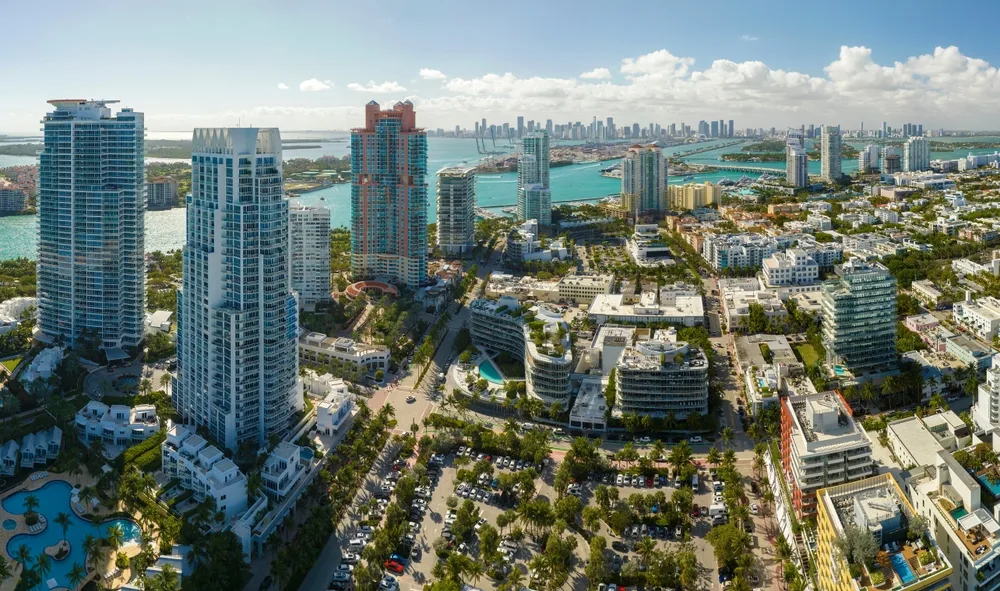
The state is not one place. Miami runs on ambition and late dinners, a city that takes itself seriously and largely delivers. Tampa is quieter, faster-growing, and drawing the kind of professionals who want the upside without the decibels. The Gulf Coast moves at a pace that feels chosen rather than resigned. Three different answers to the same question, which is part of why the inflow keeps compounding.
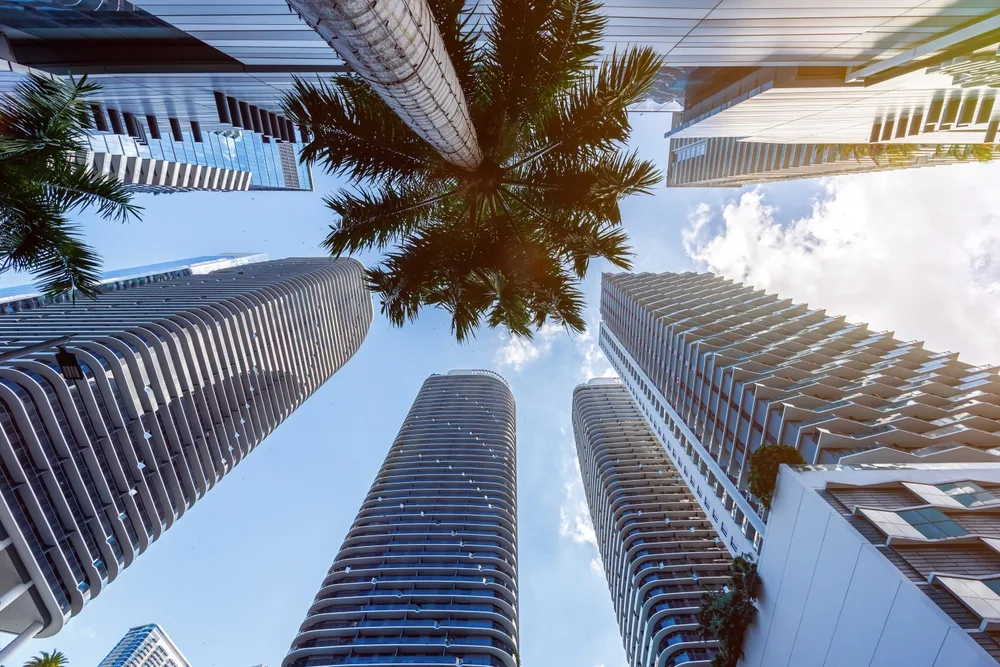
What sustains the move, for most people, isn't the savings. It's the pace. Shoes off on a dock in February, camera on the planks, nowhere else you're supposed to be. Nobody had to sell that to you. You just got tired of the alternative.

Where You LIVE.