
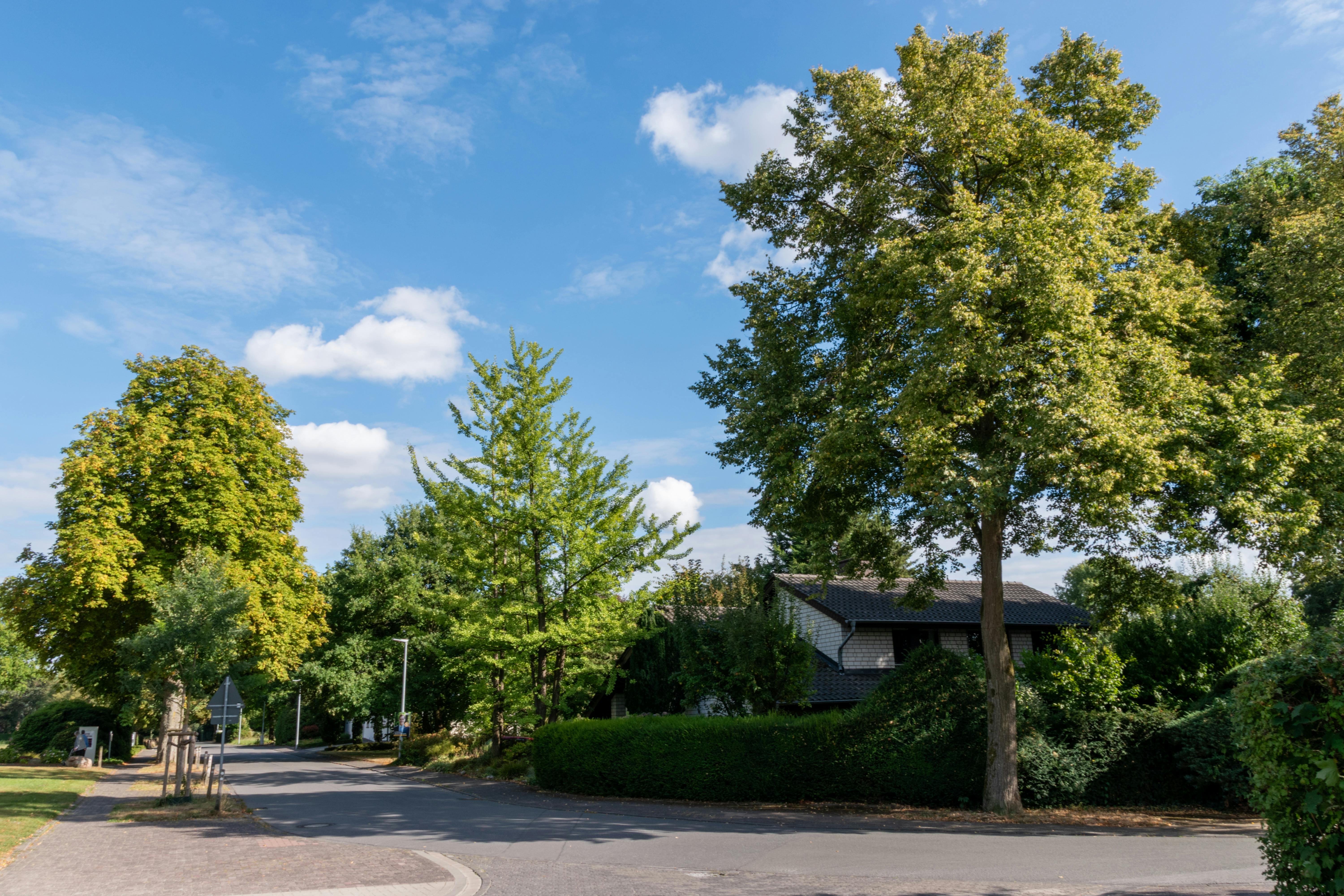
We have gotten very good at ranking places. Every season brings a new list, a fresh verdict on which town has been crowned most livable, as if livability were a trophy handed to the community with the best posture. And yet you have almost certainly stood in one of those celebrated places and felt nothing, no pull, no recognition, just the polite emptiness of a room that was not built for you. Livability, it turns out, is not a score. It is a feeling, and feelings are stubborn about being measured.
Ask anyone who has truly loved a place why they stayed, and they will not recite its accolades. They will tell you about the light in October, or the man who ran the corner shop, or the particular hush of their street after rain. They will describe, without quite meaning to, a relationship. That is the thing the rankings keep missing. A livable place is not a set of amenities. It is somewhere that, over time, begins to hold you.
The Light and the Sound of a Place
Every place has a light of its own. There is the long amber slant of a late Midwestern afternoon, the salt-washed brightness of a coastal town, the way high desert air makes the mountains look close enough to touch. You do not choose these things from a brochure, but they enter you all the same. Over the years they become the backdrop of your ordinary moods, the light you feel homesick for when you are far away.
And every place has a sound. Somewhere is livable partly because of what you hear when you stop and listen, the layered murmur of a walkable neighborhood, the freight train in the distance that you stop noticing and then, one night, notice again with tenderness. A place that is truly yours is one whose soundtrack you could recognize with your eyes closed. That intimacy is not on any chart, but it is the whole of it.
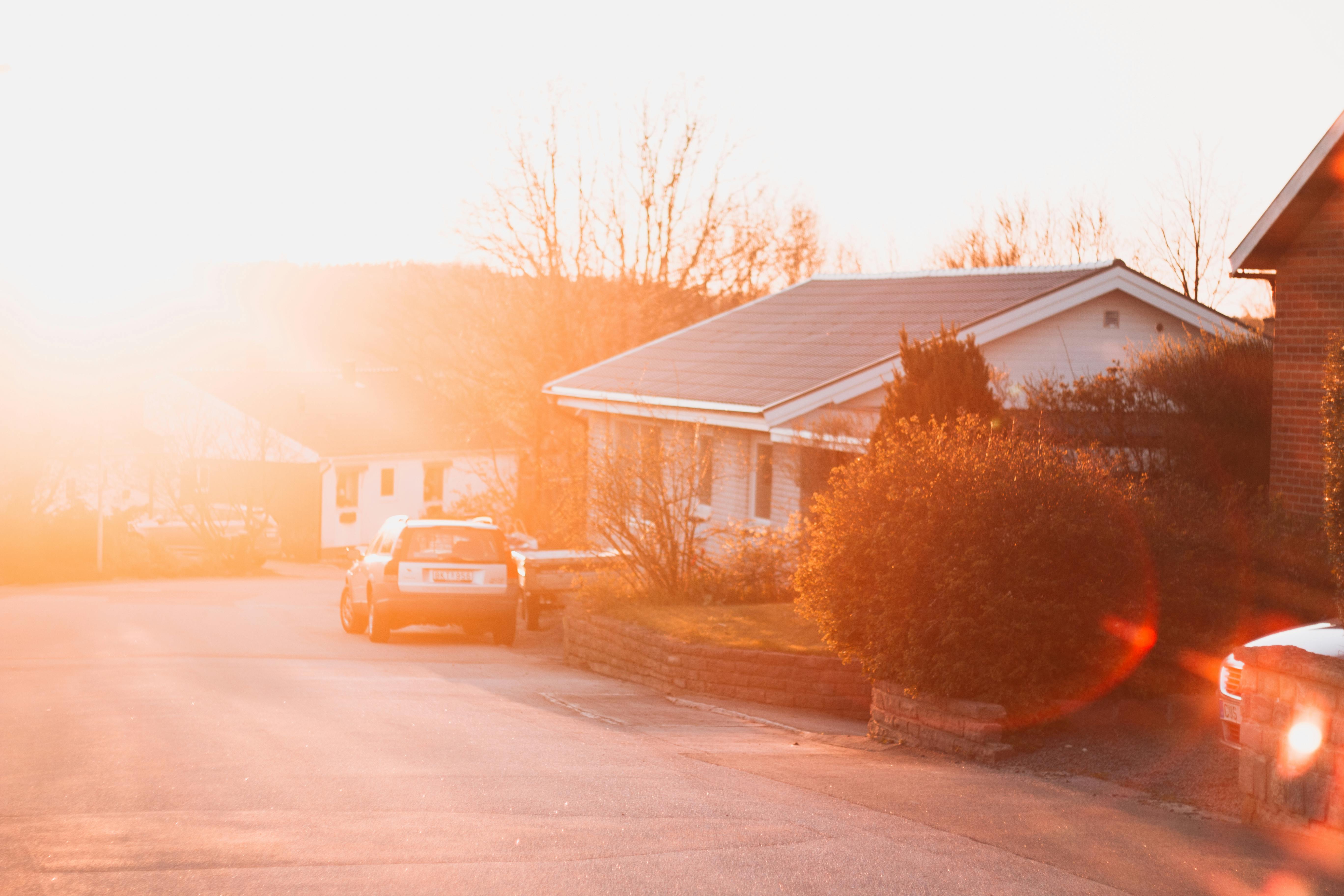
Rhythm, and the Shape of a Day
Livability is also a matter of rhythm, of whether the shape of a day here fits the shape of the life you want to live. Some places move fast and reward the restless. Others keep a slower time, where the morning walk and the evening porch are not luxuries but the frame of things. Neither rhythm is better. What matters is whether it matches your own pulse, whether you find yourself relaxing into the tempo or forever bracing against it.
You can feel this in small things. Consider:
- Whether the walk to get a coffee feels like a pleasure or a chore.
- Whether the seasons give the year a beginning, a middle, and an end you look forward to.
- Whether there is a place you drift to when you have an unplanned hour, and whether you are ever alone there.
A place becomes livable when its rhythm stops feeling like something you are managing and starts feeling like something you are living inside. That shift usually arrives quietly, and usually before you have the words for it.
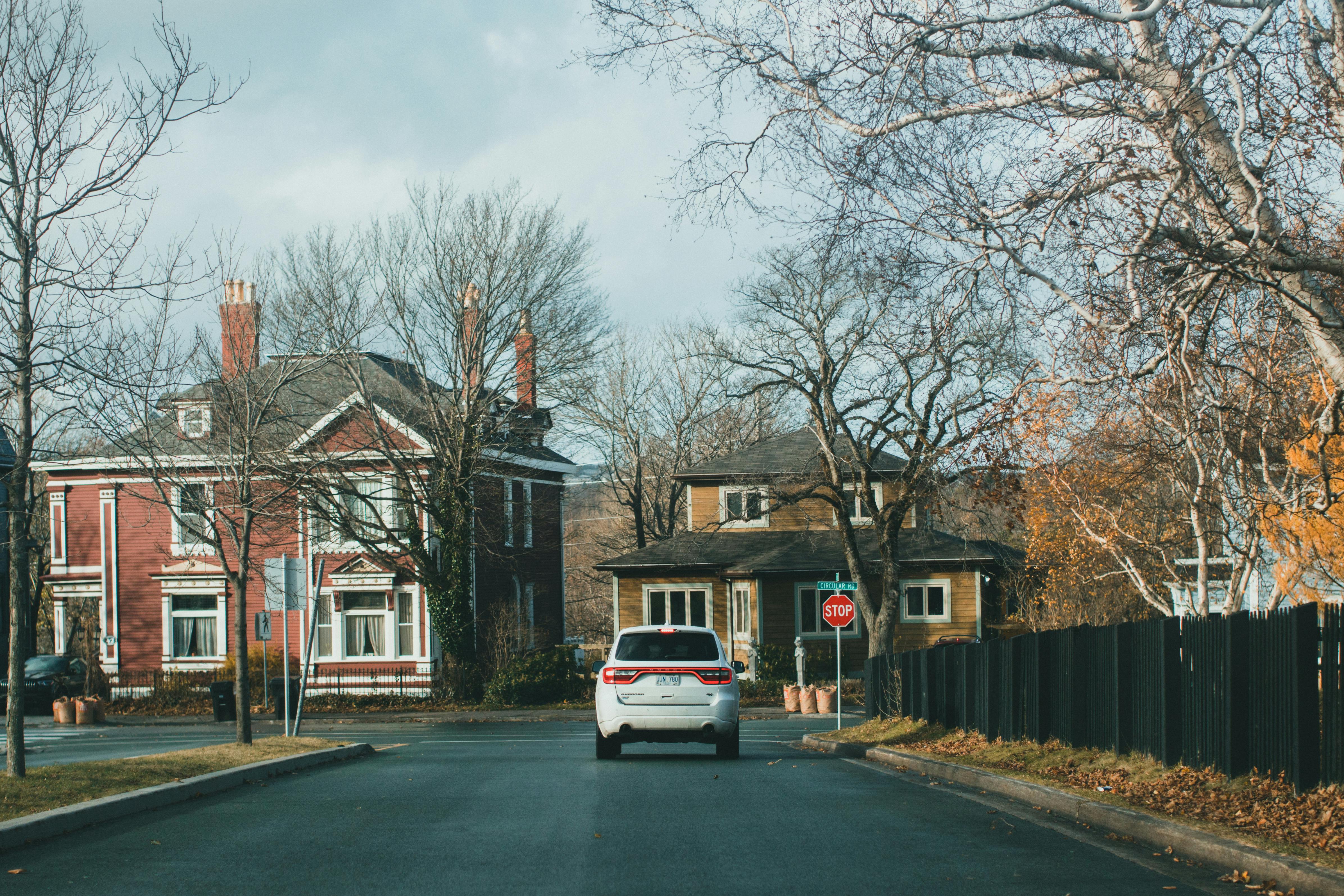
The People Make the Weather
You can have the light and the rhythm and still feel unhoused if the people around you never quite become your people. In the end, a place is livable in proportion to how known you are within it. Not famous, not networked, simply known, the way you are known by the neighbor who waves, the barista who starts your order before you speak, the friend who would notice if the lights in your window stayed dark too long.
This is the part no algorithm can promise you, because belonging is not delivered, it is grown. It asks something of you too, a willingness to show up, to be a regular, to let a place slowly learn your name. The most livable towns are not necessarily the friendliest on paper. They are the ones where you allowed yourself to stay long enough, and open enough, to be woven in.
Belonging Is the Only Real Ranking
So when you next find yourself weighing where to live, by all means read the lists. Let them narrow the field. But do not mistake the map for the territory, and do not let a high score talk you out of a low feeling. Walk the streets at the hour you would actually walk them. Notice whether the light does something to you. Listen for the sound. Watch how people treat one another when they think no one important is looking.
A livable place is one you can imagine growing old in without growing invisible, one whose ordinary Tuesdays you could love. It is less a destination than a relationship you are willing to tend. And when you find it, you will not need a ranking to tell you. You will simply come home one evening, feel the place fold quietly around you, and know.